/Is the explosion of cybersecurity acronyms making us less secure?
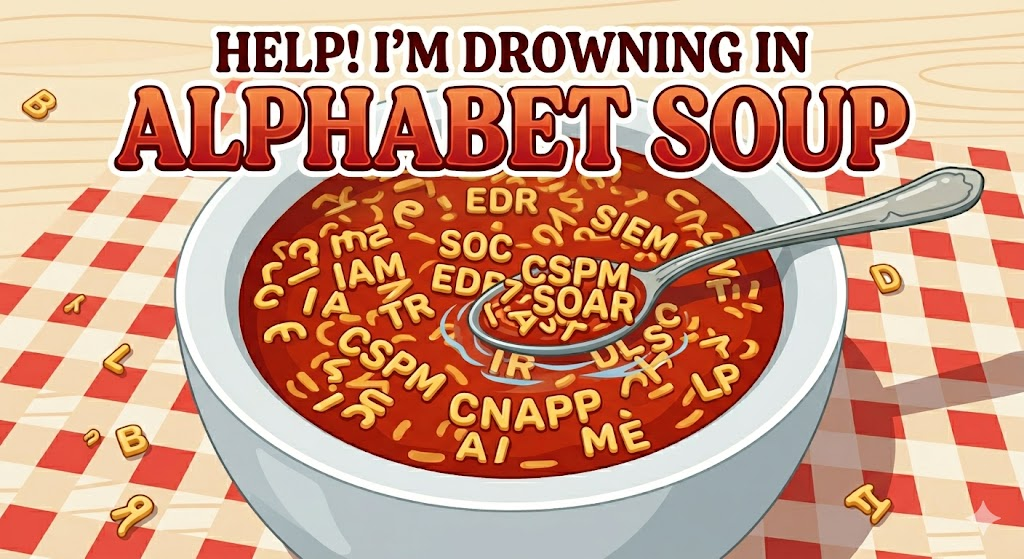
The cybersecurity industry is currently drowning in an “alphabet soup” of over 500 different category acronyms, a trend that is creating unnecessary noise and silos rather than helping practitioners. This hyper-niche branding often forces security teams to manage fragmented dashboards that don’t communicate with each other, adding to their workload instead of reducing it. As massive shifts like the Anthropic and Claude Mythos rollout drop a wave of new vulnerabilities on already exhausted teams, the industry must stop obsessing over marketing checklists and start focusing on solving actual workflow problems and the remediation gap. Ultimately, security should be about making work simpler and more effective for those in the trenches, rather than winning a game of Scrabble.
Acronyms have officially gotten out of hand. We’re drowning in them and losing the plot.
I’m a product professional, so it’s literally my job to stay on top of industry trends and understand how different technologies fit together. But lately, I even feel like I’m drowning. It has become a full time job just to keep track of the latest strings of letters that seem to pop up every week. I actually asked Gemini about this, because it’s 2026 and that’s just what we do now, and she told me there are over 500 acronyms for cybersecurity categories currently in use.
Five hundred. Let that sink in for a second.
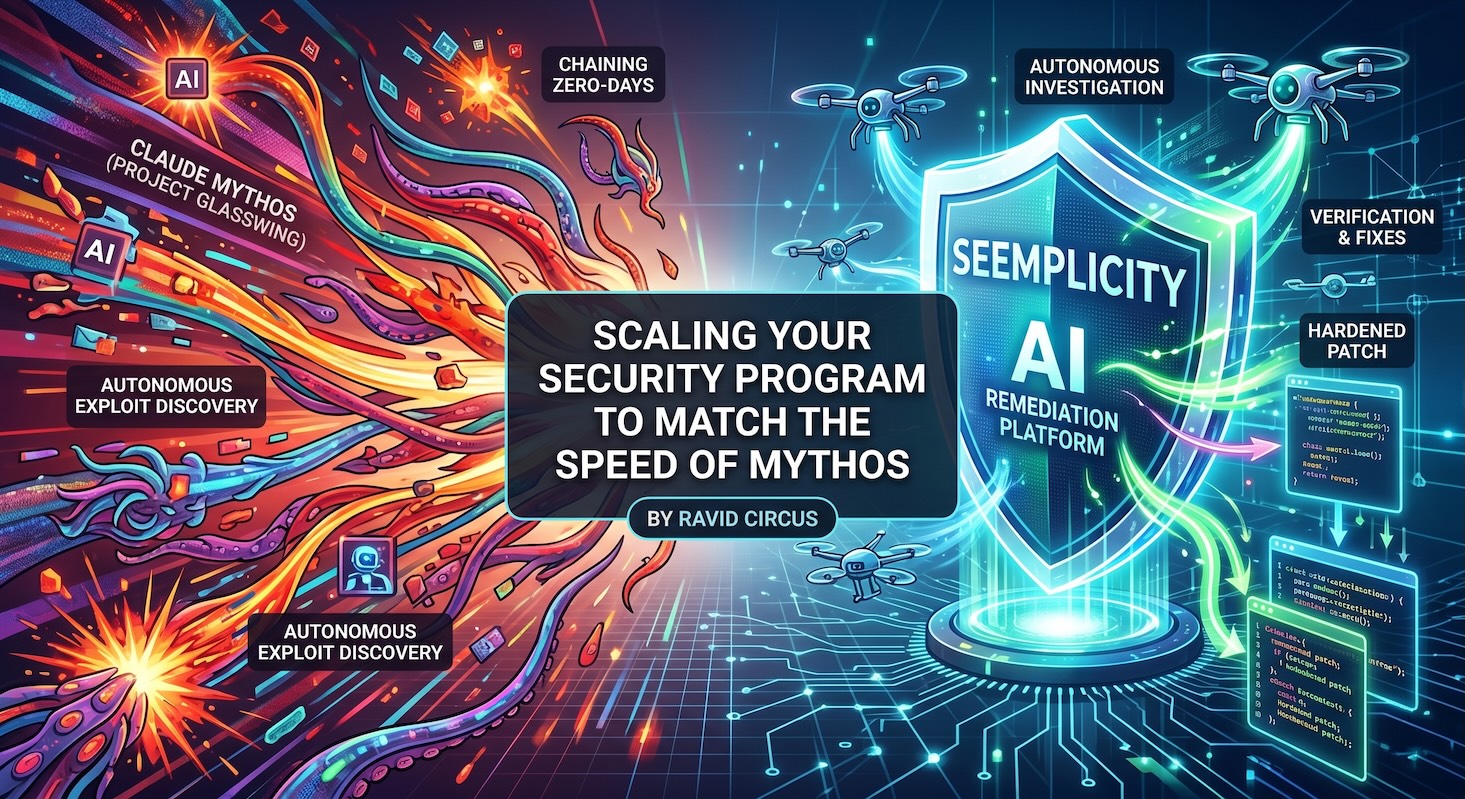
We are getting in our own way by generating more noise at a time when we should be simplifying. Why are we obsessing over creating new, hyper-niche categories when the Anthropic and Claude Mythos rollout is about to drop a massive wave of new vulnerabilities and patches on already exhausted teams? Security practitioners are about to be buried under a mountain of Mythos-related updates and “emergency” fixes; the last thing they need is for us to invent 20 new sub-categories of jargon for them to suss through. We should be helping them clear the deck, not adding more items to the Scrabble board.
I get why this started. This market is incredibly complex and people need a way to bucket technologies so they can make sense of what they’re looking at. But we’ve crossed a line. We are making so much of our own noise at a time when the world is already loud enough. We are getting in our own way. Why are we obsessing over new acronyms when things like the Anthropic and Claude Mythos rollout are already landing on security teams and causing enough issues?
It feels like the industry has shifted its energy. Instead of focusing on the big, systemic issues that keep CISOs up at night, we’re obsessing over whether a tool has one specific bell or whistle that allows it to be rebranded as a slightly different four-letter word. We are building for the checklist instead of building for the practitioner.
When we get this granular, we aren’t helping the user. We’re just creating more noise. I talk to people all the time who aren’t looking for a vaguely defined niche acronym. They’re looking to get a handle on their organization’s attack surface. They’re looking to find their vulnerabilities and actually fix them without needing a PhD in industry jargon to navigate their own tech stack.
The problem is that every time we create a new category, we often create a new silo. I see this all the time at Seemplicity. Teams end up with a stack of tools that all do different things, but none of them work together because they were built to fit into different, tiny boxes. We’ve basically told security teams that to be safe, they need to manage ten different dashboards that don’t talk to each other. That isn’t security. That’s just more work.
So, how do we actually move the needle?
We need to start by changing the conversation. If you’re a buyer, stop asking “Which category does this fit into?” and start asking “How does this actually reduce the time my team spends on manual work?” Demand that your vendors show you how they solve a workflow problem, not how they check a box in a new Gartner report.
If you’re a vendor or a product person like me, we have to be braver. We have to stop chasing the 501st acronym just because we think it’ll make a better headline. We should be obsessing over the remediation gap and the actual day to day friction our users face.
It’s more critical than ever that we get back to basics. Security shouldn’t be a game of Scrabble. It should be about making things simpler, more effective, and actually manageable for the people in the trenches.
Let’s stop hiding behind the alphabet soup and start talking about the work again.
And while we’re at it, can we outlaw using ‘next gen’ in marketing materials? 🙂

Stay updated on Seemplicity blog
Subscribe today to stay informed and get regular updates from Seemplicity.