



/exposure management for vulnerability management leaders
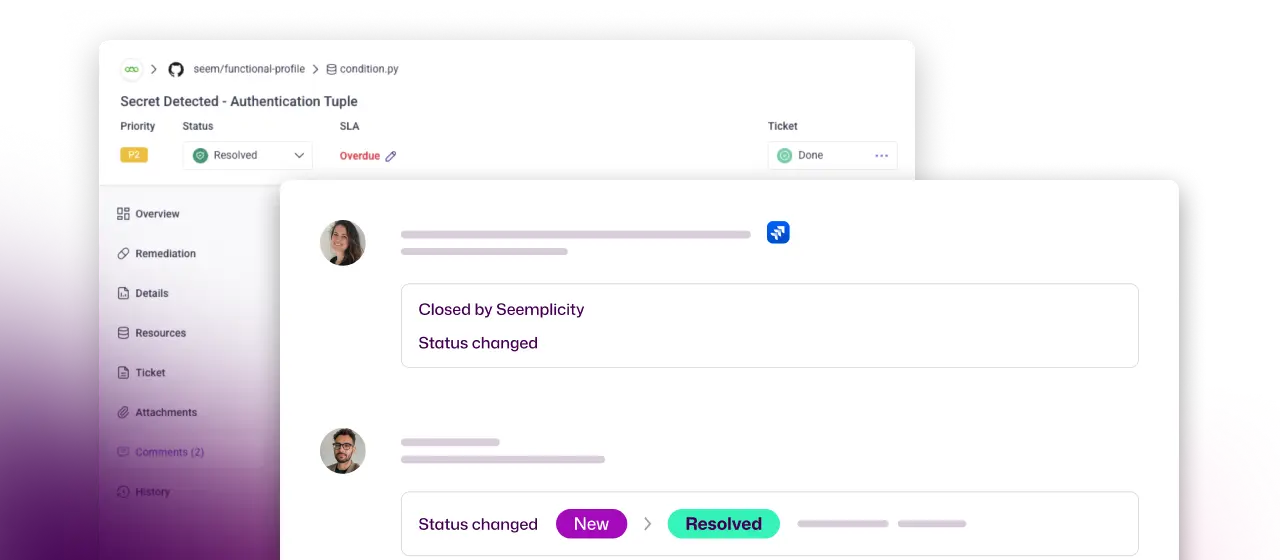
Clear the backlog and align teams
- Assign Clear Ownership
- Unify Security and Engineering
- Track Real-Time Progress
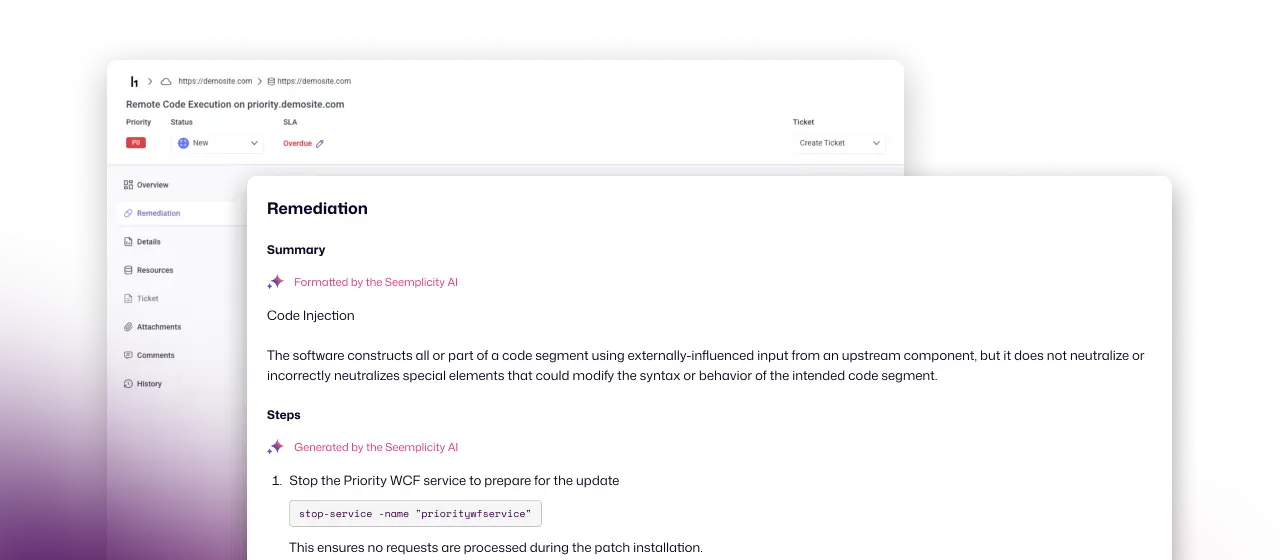
Seemplicity’s AI agents bridge the gap between security and engineering by automating prioritized ticket routing and providing software-specific instructions for fixers.
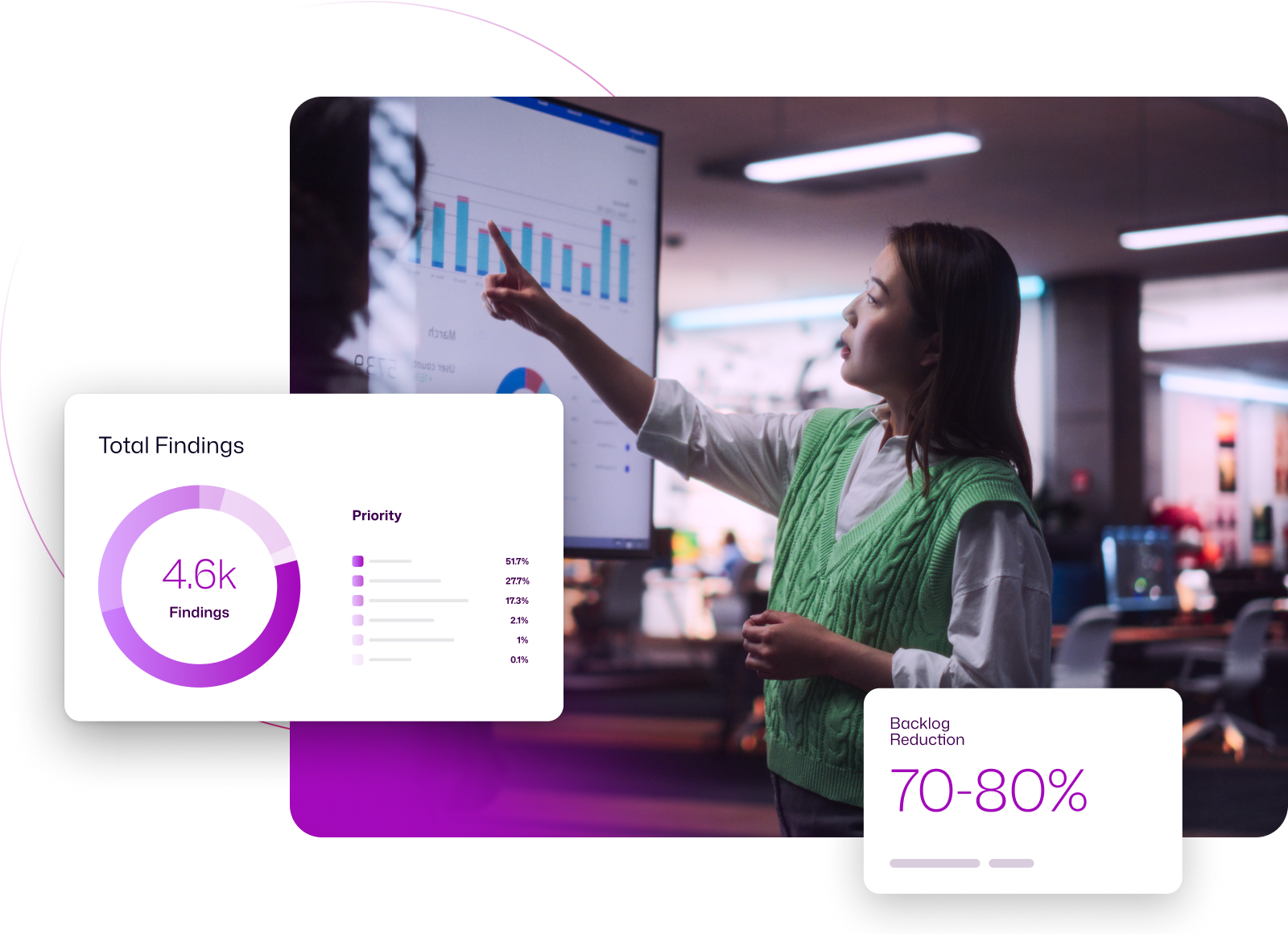
The disconnect between scanning and fixing
Most security stacks were not designed for:

Scaling resolution alongside detection

Automated prioritization with business context

Continuous status tracking

Eliminating ownership ambiguity

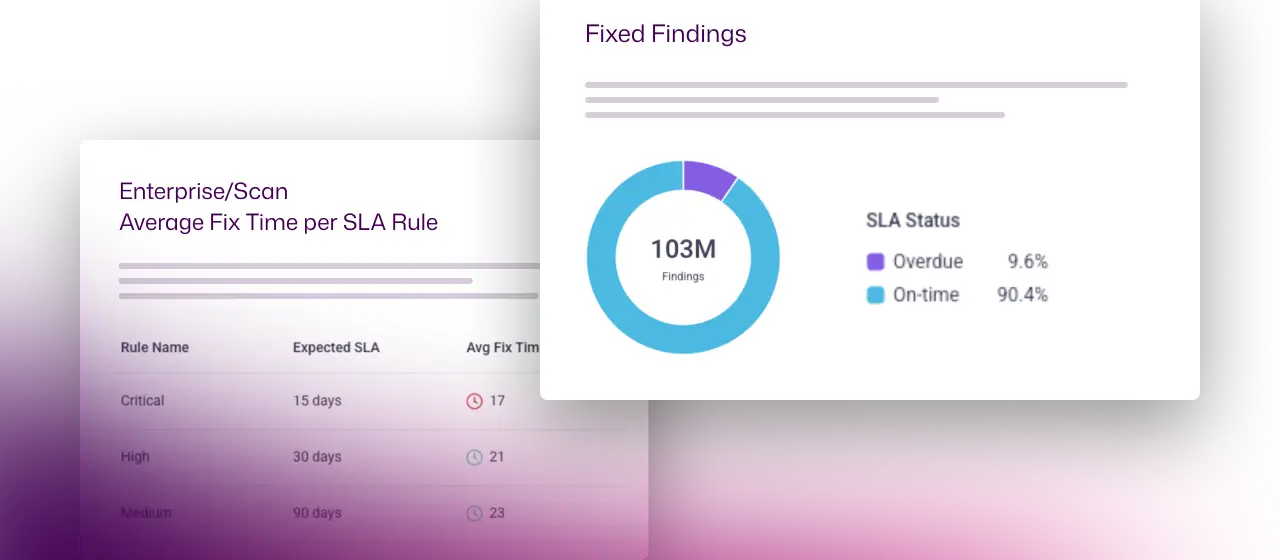
Enforcing remediation SLAs






Not only have we seen a reduction in our vulnerabilities, we’ve also used Seemplicity for tool rationalization.
John Lodini
VP of Security Architecture and Engineering, Hertz
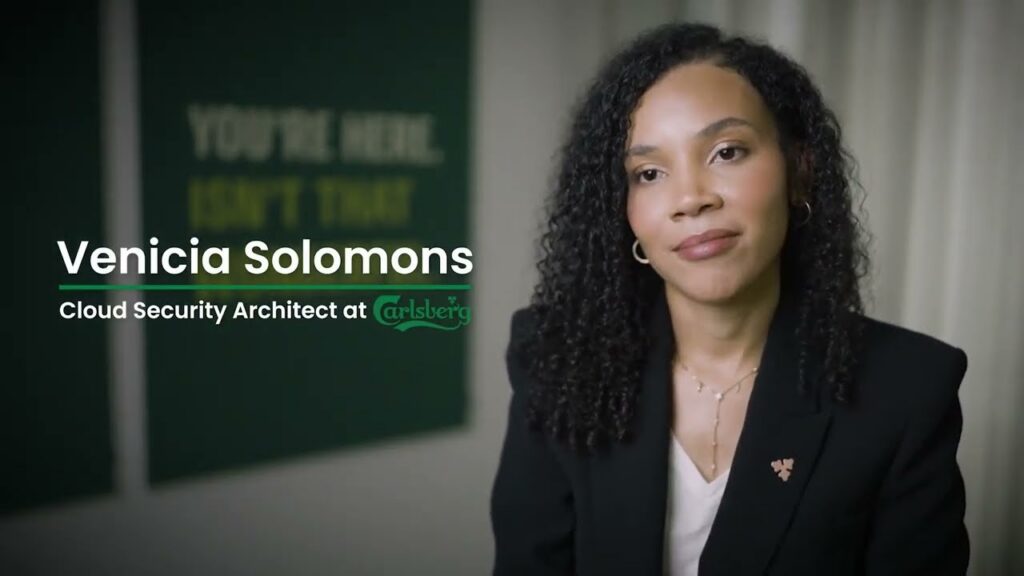
If you’re looking to gain full visibility with automation, then Seemplicity is definitely the right platform.
Venicia Solomons
Cloud Security Architect, Carlsberg Group

We went through a SOC 2 Type II audit and with Seemplicity the auditor had no more questions
Amanda Franklin
Director of Information Security, YipitData

Seemplicity reduces over 90% of the issues that we really need to deal with.
Yaron Blachman
Chief Information Security Officer, OpenWeb
Teams get aligned by design
Security, Engineering, IT, and GRC are aligned by design. Seemplicity meets each team where they work, while giving CISOs centralized visibility and control. No process disruption. No tool replacement.



Frequently asked questions
Vulnerability management leaders face three compounding challenges in backlog reduction: the sheer volume of findings generated across expanding attack surfaces outpaces manual triage capacity; the absence of systematic ownership assignment means remediation stalls at the security-to-engineering handoff; and without enforced SLAs, there is no structural pressure on owning teams to act within acceptable timeframes. The cumulative effect is a backlog that grows faster than it is cleared.
A secondary challenge is prioritization noise. When every finding is treated with equal urgency, engineering and IT teams lose confidence in the security team’s guidance and deprioritize remediation work altogether. Vulnerability management leaders who implement risk-based prioritization models, incorporating EPSS scores, CISA KEV status, and asset criticality, are better positioned to deliver a manageable, credible remediation queue that owning teams will actually act on.
Effective prioritization requires moving beyond CVSS severity scores alone. Vulnerability management leaders increasingly rely on a combination of exploit prediction metrics such as EPSS, active exploitation indicators from CISA’s Known Exploited Vulnerabilities (KEV) catalog, asset criticality, and business context to determine where remediation efforts will have the highest impact on reducing actual organizational risk. A critical vulnerability on an internet-facing, business-critical asset warrants immediate action; the same CVE on an isolated, low-value system may be safely deferred.
Mature programs also factor in threat intelligence feeds to assess whether adversaries are actively targeting a given vulnerability in the wild, compressing the exploitation window and elevating priority accordingly. The goal is a dynamic, risk-weighted queue that reflects real-world threat context rather than a static list ordered by CVSS score.
The primary metrics used to evaluate vulnerability management program performance center on remediation velocity and exposure reduction over time. Key performance indicators include mean time to remediate (MTTR) by severity tier, SLA compliance rates across owning teams, backlog size trends, and the ratio of newly introduced vulnerabilities to those closed within a given period. These metrics provide a quantitative baseline that enables leaders to demonstrate measurable risk reduction to the CISO and board.
Beyond velocity metrics, mature programs track risk posture at the asset and business unit level — measuring exposure concentration, repeat findings that indicate systemic gaps, and the percentage of the attack surface covered by continuous scanning. Reporting against these dimensions gives leadership a defensible view of program health that extends beyond raw finding counts.
Remediation accountability in vulnerability management requires assigning clear ownership of findings to specific individuals or teams outside of the security function – typically in IT operations, engineering, or DevOps – along with defined SLAs tied to severity classification. Without this structure, vulnerabilities frequently remain in an ambiguous state where security has identified the risk but no one has accepted responsibility for fixing it.
Effective accountability frameworks pair automated ticket generation and routing with escalation paths that trigger when SLAs are breached. Vulnerability management leaders serve as the enforcement layer, maintaining visibility into remediation status across all owning teams and providing a single source of truth for tracking progress. This approach shifts the model from security as the sole remediation actor to security as the orchestrator of a cross-functional remediation workflow.
Cross-team alignment between security and engineering on vulnerability remediation is one of the most persistent operational challenges in the field. Engineering teams prioritize delivery velocity and product stability, while vulnerability management leaders are accountable for exposure reduction, creating friction when remediation tasks are injected into development cycles without adequate context or prioritization rationale. Bridging this gap requires integrating security findings into the ticketing and workflow systems engineering teams already use, such as Jira or ServiceNow, rather than forcing parallel processes.
Vulnerability management leaders increasingly focus on delivering actionable, fixer-ready remediation guidance alongside each ticket, including affected component context, fix recommendations, and business risk justification, to reduce friction and accelerate resolution. Establishing shared SLA definitions and joint visibility into remediation status helps transform the security-engineering relationship from adversarial to collaborative, reducing MTTR and minimizing remediation backlog growth.
As organizations expand across on-premises infrastructure, public cloud providers, containerized workloads, and third-party SaaS environments, vulnerability management leaders face significant asset visibility gaps. Inconsistent scanner coverage, ephemeral cloud assets that spin up and down outside of traditional inventory processes, and fragmented data across multiple scanning tools all contribute to blind spots that undermine program completeness. Maintaining an accurate, continuously updated asset inventory is a prerequisite for credible exposure management at scale.
Addressing hybrid coverage requires centralizing findings from disparate scanning sources, including cloud security posture management (CSPM) tools, container scanners, DAST, and SAST platforms, into a unified exposure data layer. Normalizing findings across these sources against a common severity and prioritization framework allows vulnerability management leaders to apply consistent risk-based decision-making regardless of where the asset resides.
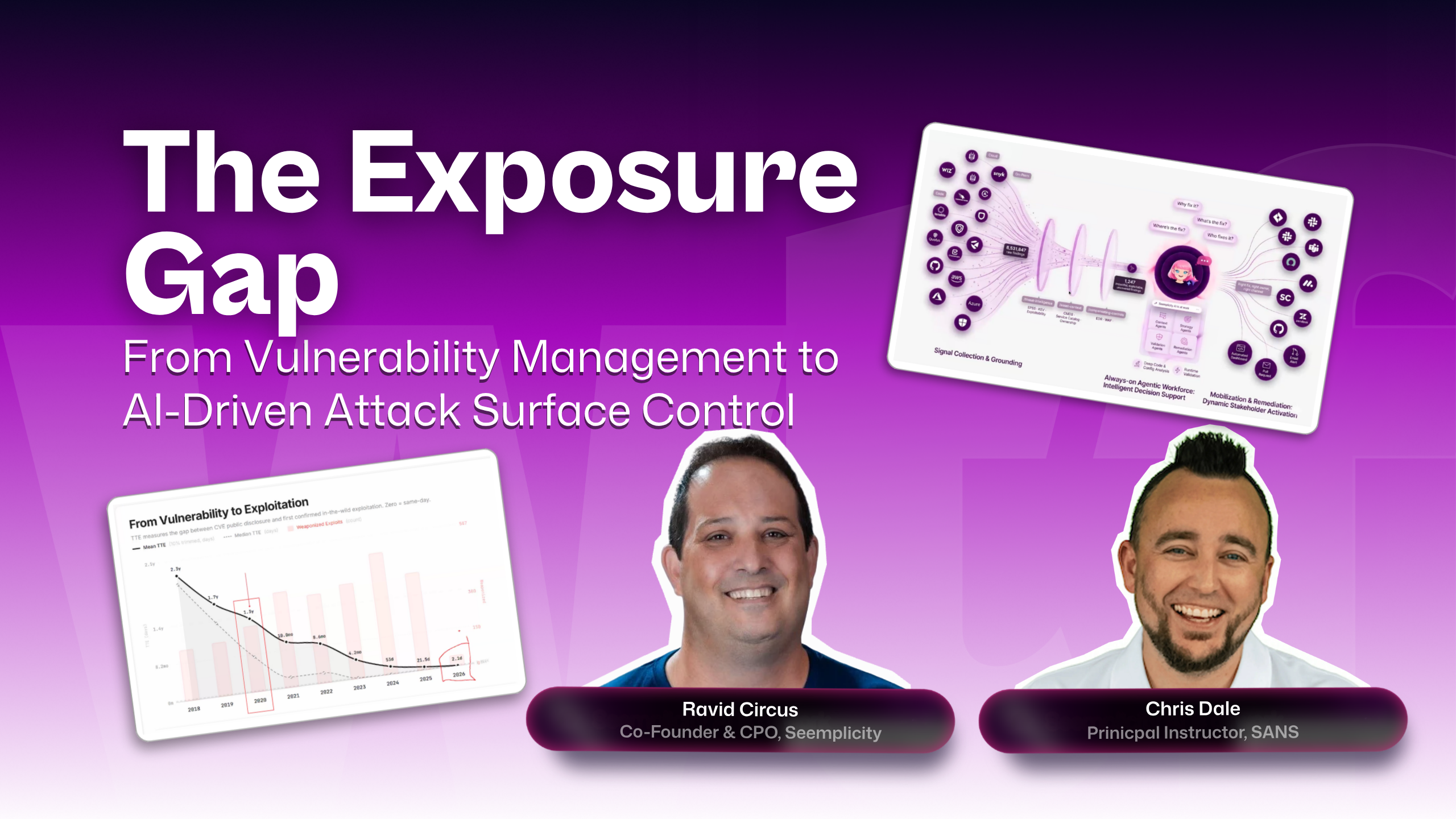
The compression of exploit timelines, driven in part by AI-assisted attacker reconnaissance and the rapid weaponization of newly disclosed CVEs, is forcing vulnerability management leaders to move away from periodic, scan-cycle-based remediation toward continuous exposure management. The window between public vulnerability disclosure and active exploitation in the wild has narrowed considerably, meaning programs that operate on monthly or quarterly remediation cycles carry materially higher risk than those capable of identifying and triaging critical findings within hours of disclosure.
In response, leading organizations are adopting CTEM frameworks that treat vulnerability management as an ongoing operational discipline rather than a periodic compliance exercise. This involves continuous asset discovery, real-time integration with threat intelligence sources, automated prioritization against the CISA KEV catalog and EPSS data, and SLA structures calibrated to reflect actual exploitation probability rather than static severity tiers alone.


Say Goodbye to
Backlog of vulnerabilities
Misconfigurations
Scattered findings across tools