



/automated vulnerability remediation workflows
Automated Vulnerability Remediation at the speed of AI
Get aheads of threats in the age of AI-driven exploitation and discovery.
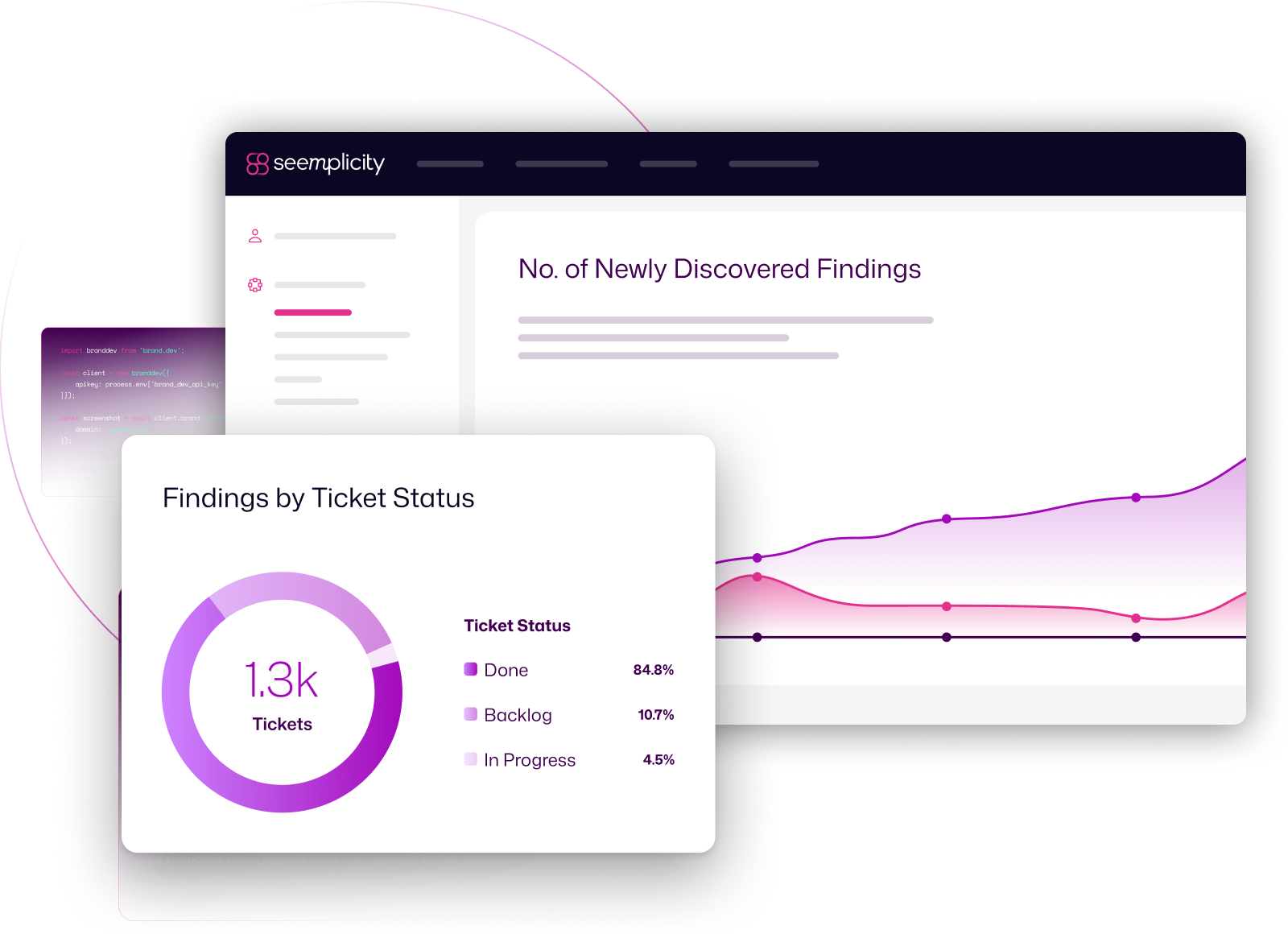
Manual workflows cannot scale with AI attack velocity
When managing tens of millions of expsoures and assets, manual processes break down under the weight of daily discovery.

Contextual Blindness:
Manual efforts to determine asset ownership and business impact delay remediation, forcing teams to waste time on low-priority findings.

Remediation Drift: Infrastructure scales faster than manual ticketing; by the time a human assigns a fix, the resource has changed and the ticket is obsolete.

Verification Deadlocks: Manual re-testing cannot keep pace with rapid deployment cycles, leaving fixed vulnerabilities “open” and cluttering the remediation backlog.

Policy Fragmentation: Slow hand-offs between siloed teams create defensive gaps that AI-driven attacks exploit before internal coordination even begins.
Cut Your MTTR by 90%
Automatically consolidate, rank, and normalize alerts to transform raw scan data into a validated queue of critical patches.
Automate business context and asset mapping
Instantly identify owners and business criticality by syncing with CMDBs, eliminating manual research to prioritize the risks that actually matter.
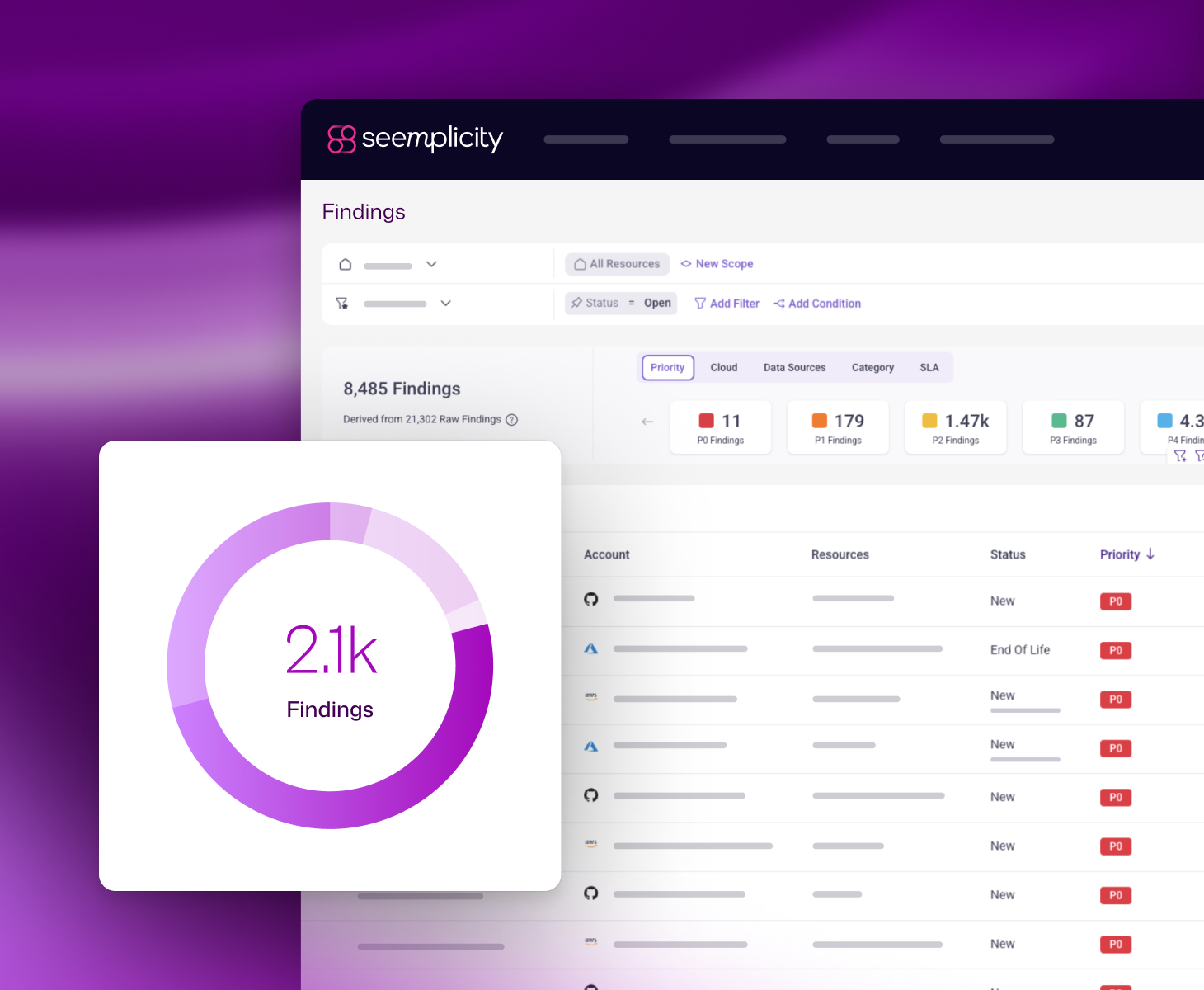
Synchronize ticketing with dynamic infrastructure
Automate verification and SLA tracking
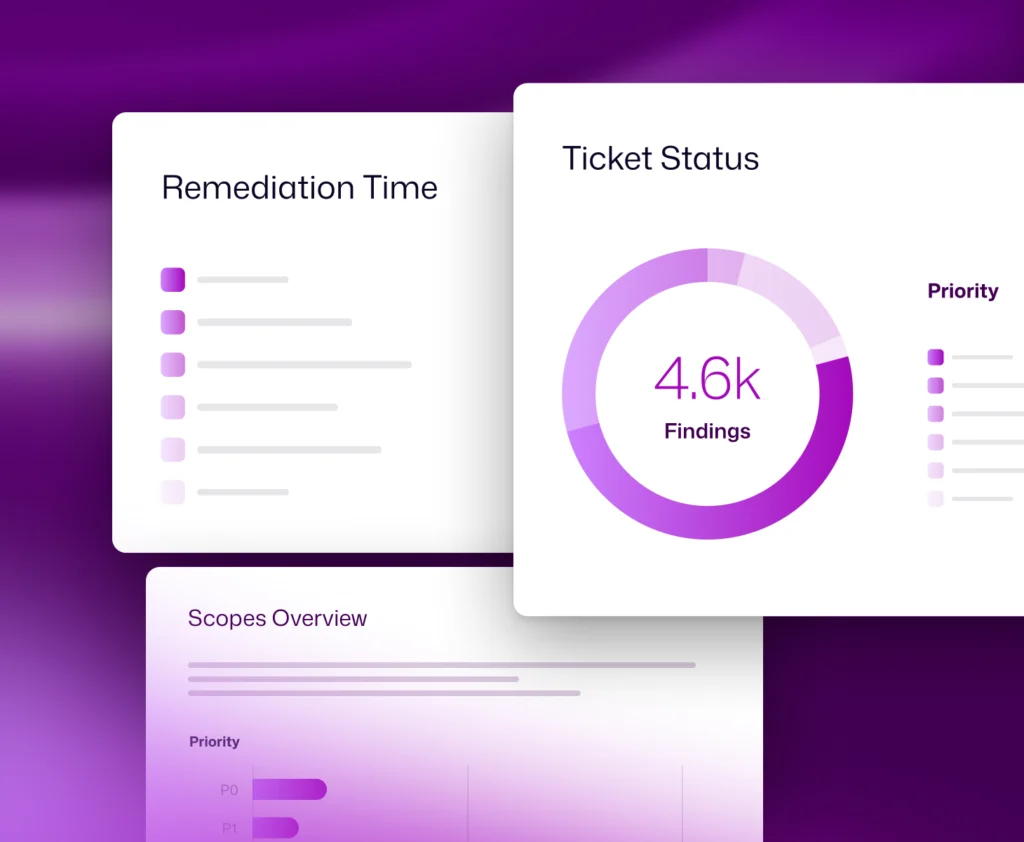
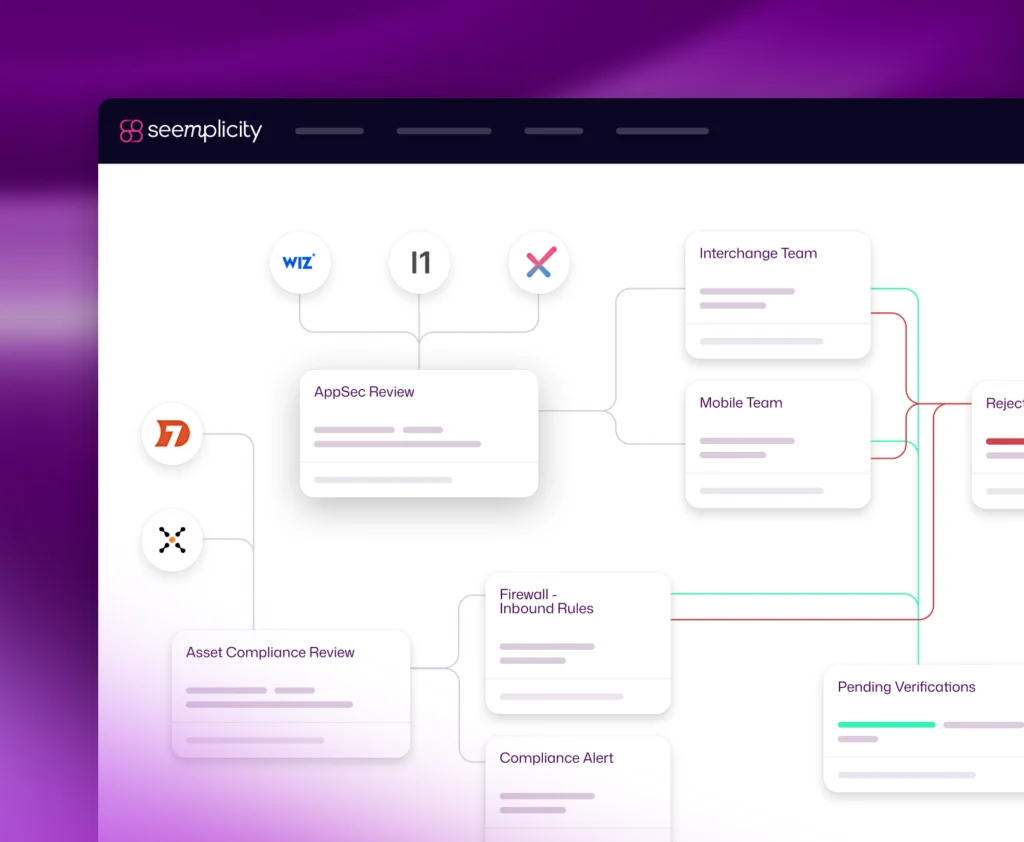
Unify cross-team workflows and policies
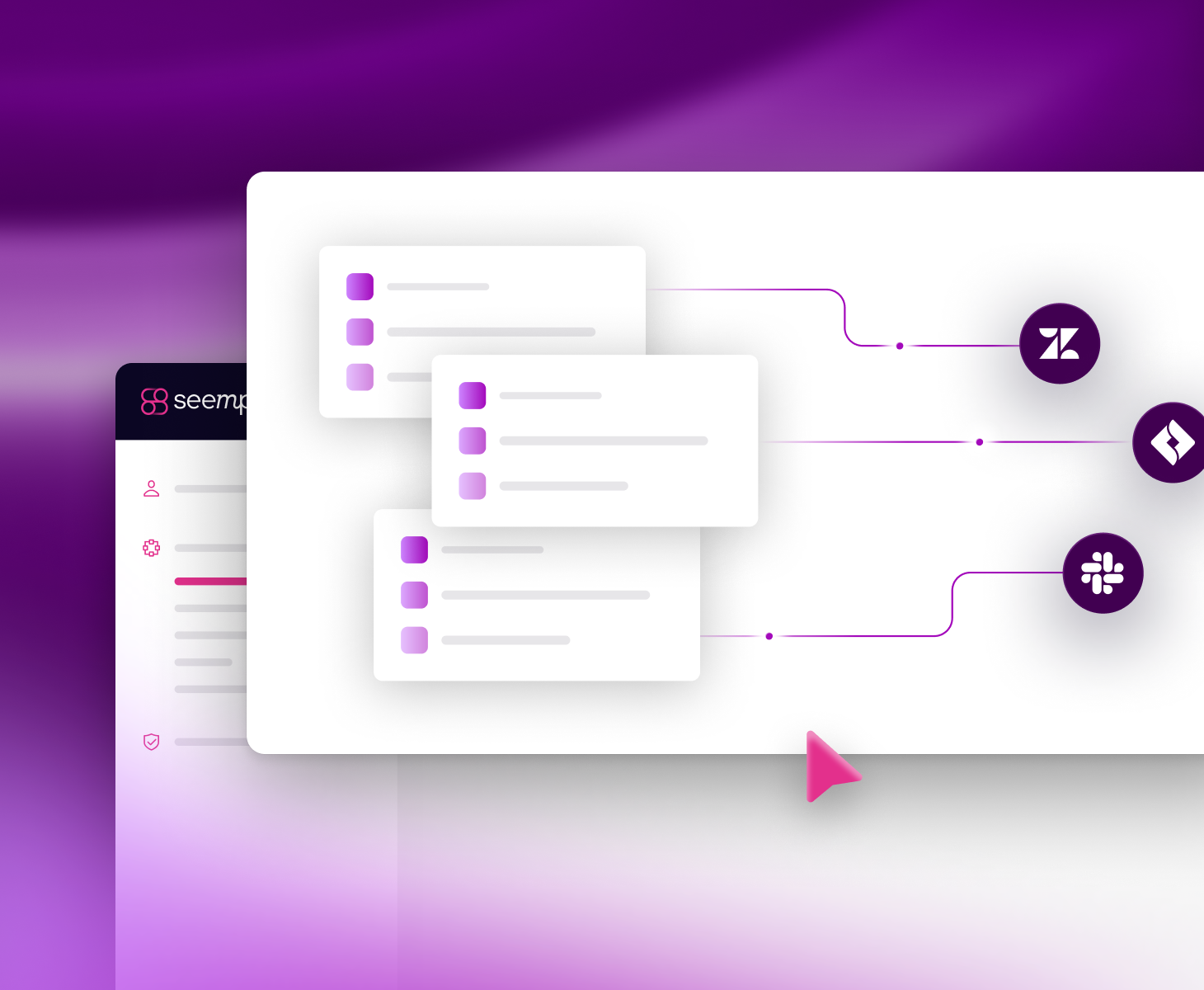
Key Features for Automating Vulnerability Management
Workflow Automation Templates

Jumpstart your automation with ready-to-use templates designed to simplify and accelerate vulnerability management.
Context-Driven Prioritization
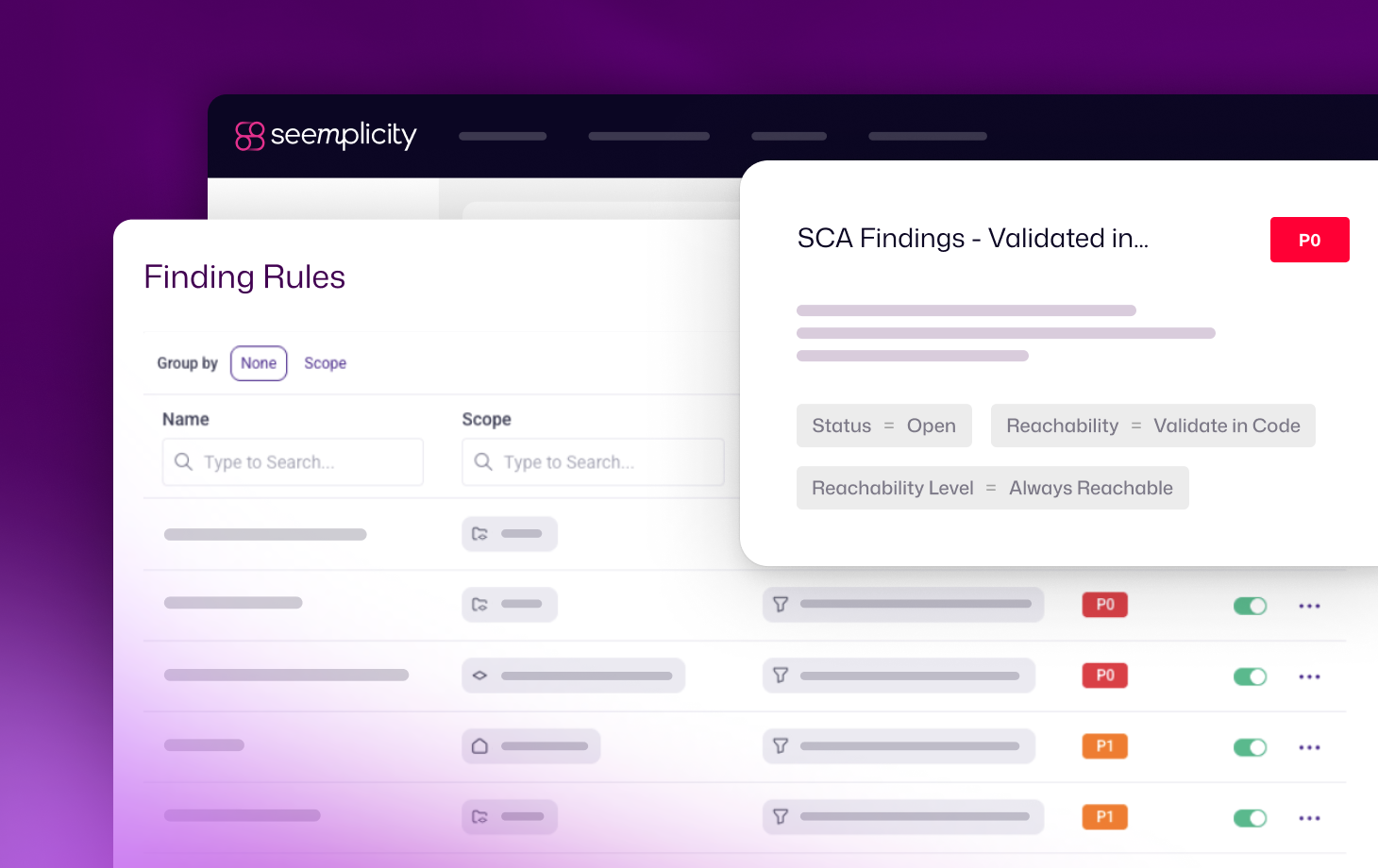
Translate fragmented risk signals into a single, cohesive scale to accurately identify and tackle your highest-priority threats first.
Conversational AI Assistant

Use natural language to instantly identify risk owners, track progress, and verify SLA compliance without manual data analysis.
Scale Without Compromise
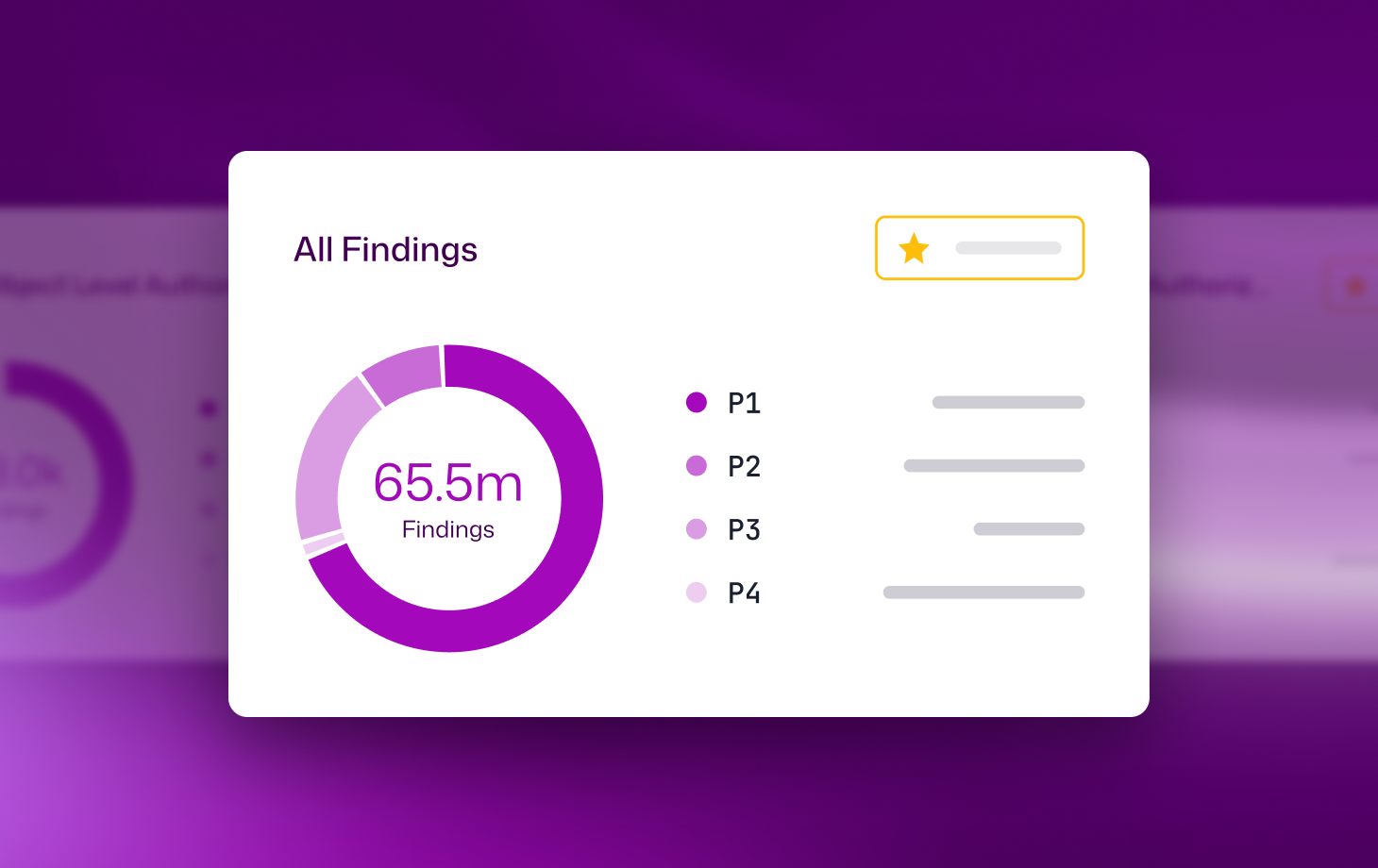
Don’t let millions of findings slow you down. Add context and speed to the analysis and prioritization of findings to ensure your team stays focused.
Transform your backlog into a streamlined action plan
Build a scalable process that unifies data streams into a high-impact list of remediation items.


/research Report
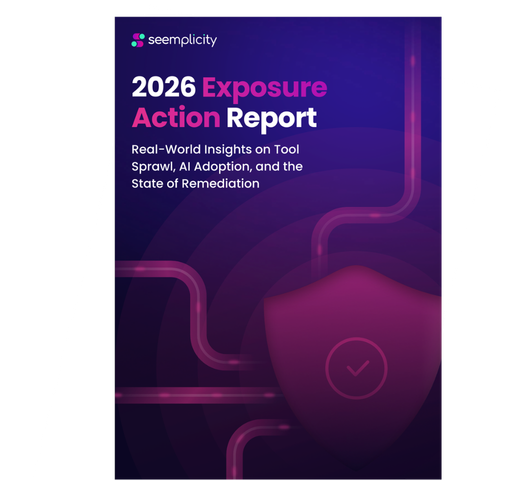
2026 Exposure Action Report
Real exposure management insights based on 2025 customer data. Learn how teams scale remediation, reduce backlogs, and drive measurable risk reduction.
Frequently asked questions
Vulnerability management involves a complex chain of handoffs – from discovery and triage to ownership assignment, remediation, and verification – that spans multiple tools and teams. Each step has historically relied on manual effort: analysts interpret scan output, consult CMDBs to identify asset owners, create tickets, follow up with engineering teams, and re-test fixes. At scale, this process collapses under the volume of findings generated by modern environments, creating backlogs, inconsistent SLA enforcement, and remediation drift.
The underlying challenge is that most security stacks were not designed for orchestration. Scanners, ticketing systems, CMDBs, and communication platforms operate independently, forcing security teams to act as manual connectors between them. Without workflow automation, the coordination overhead alone consumes capacity that should be directed at actual risk reduction.
The highest-value candidates for automation are the repetitive, rule-based tasks that consume analyst time without requiring human judgment. These include deduplicating and normalizing findings across multiple scanning sources, mapping assets to owners using CMDB or directory integrations, routing remediation tickets to the appropriate teams based on asset classification, and tracking SLA compliance against defined remediation policies. Automating these steps eliminates the manual triage queue and ensures that findings move through the pipeline consistently.
Verification and closure workflows are also strong automation candidates. Rather than relying on engineers to manually re-test and close tickets, automated post-remediation validation can confirm that a fix has been applied and update the finding’s status accordingly, preventing stale “open” findings from cluttering the backlog and distorting risk reporting.
MTTR is primarily driven by delays in the handoff chain, the time between a vulnerability being identified and a qualified owner receiving a clear, actionable remediation task. Manual triage, ownership lookup, and ticket creation each introduce latency. When these steps are automated and executed in near-real time, the time from discovery to assigned remediation can be compressed from days or weeks to hours. Over a large finding volume, this compression has a substantial impact on the organization’s overall risk exposure window.
Automation also eliminates the back-and-forth that inflates MTTR in complex environments: duplicate tickets, misrouted assignments, and unacknowledged SLA breaches. By enforcing consistent routing logic and sending automated escalations when deadlines approach, organizations can maintain remediation velocity without additional headcount.
Remediation drift occurs when ticketed vulnerabilities become invalid or irrelevant before they are resolved, typically because the underlying infrastructure has changed. In dynamic environments with ephemeral cloud resources, containerized workloads, and frequent deployments, an asset may be scaled down, redeployed, or decommissioned in the time it takes a ticket to move through the remediation queue. The result is a backlog populated with stale findings that no longer reflect the actual attack surface, making it difficult to assess true exposure.
Automated workflow systems address this by continuously synchronizing ticket state with the live asset inventory. When an asset changes or is retired, associated findings can be automatically updated or expired, ensuring that remediation queues reflect the current environment. This keeps engineering teams focused on real, actionable work rather than chasing findings that are no longer applicable.
The primary metrics for evaluating automation effectiveness are mean time to remediate (MTTR), SLA compliance rates, and the ratio of findings closed without manual intervention. A well-automated program should show a measurable reduction in MTTR across severity tiers, a high percentage of findings routed and assigned without analyst involvement, and consistent adherence to remediation SLAs even as finding volumes increase. Tracking these metrics over time provides a clear signal of whether automation is delivering operational efficiency or simply shifting manual work elsewhere.
Secondary indicators include backlog trend (whether the total volume of open findings is growing or shrinking), re-open rates (which can reveal verification gaps), and the percentage of exceptions handled through automated approval workflows rather than informal manual overrides. Together, these data points give vulnerability management leaders the visibility needed to demonstrate program maturity and make the case for continued investment.
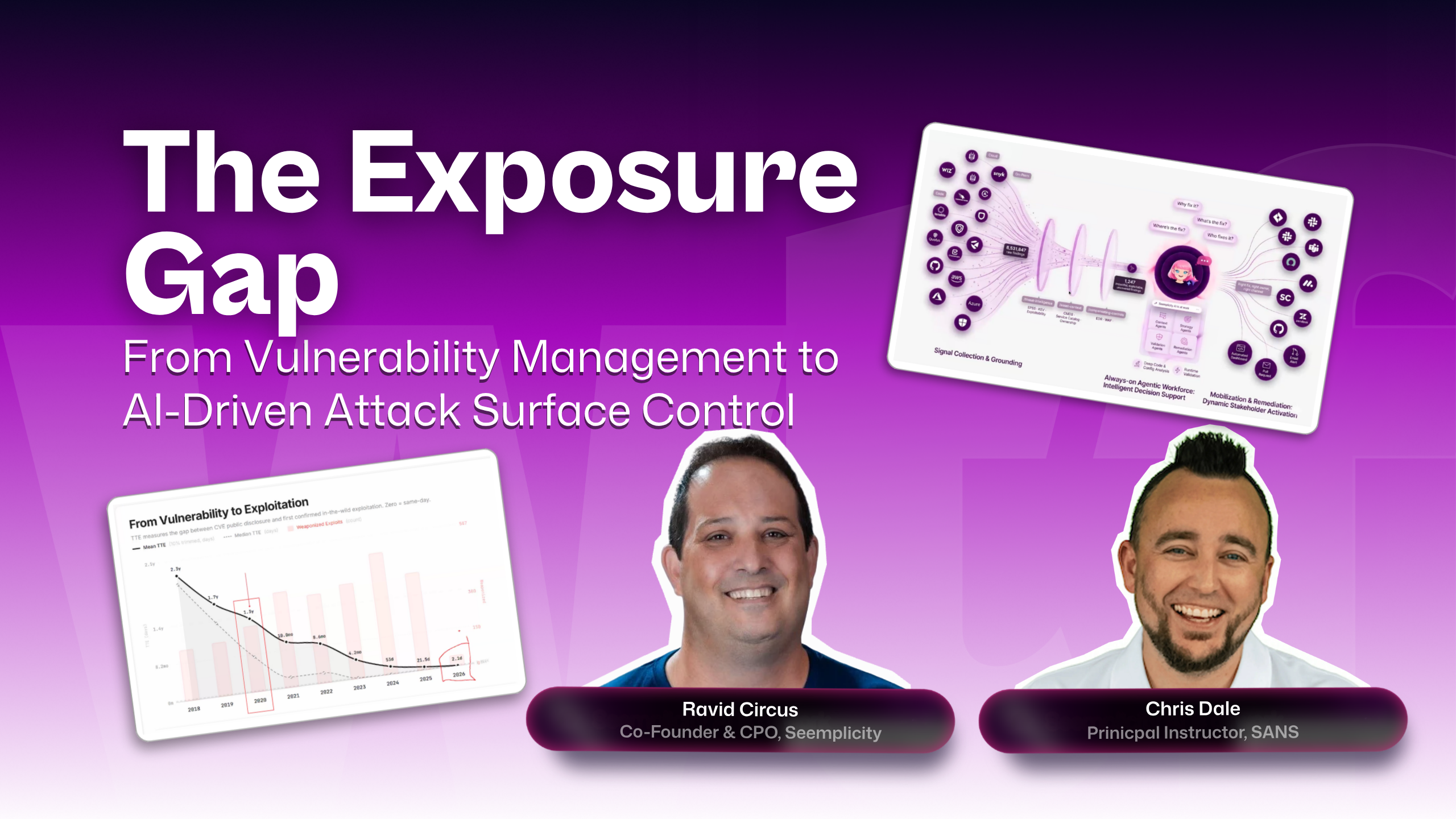
Threat actors are increasingly using AI to accelerate reconnaissance, identify exploitable targets, and compress the window between vulnerability disclosure and active exploitation. In some documented cases, weaponized exploits have appeared within hours of a CVE being published. Manual vulnerability management processes — which may take days or weeks to route a critical finding to the responsible owner — are structurally misaligned with this threat reality. The gap between discovery and remediation represents an exposure window that attackers can and do exploit.
Automating the triage, assignment, and escalation stages of the remediation workflow directly narrows this window. When high-severity findings are instantly correlated with asset criticality data and routed to the appropriate owner without human intervention, organizations can operate at a tempo closer to that of the adversary, reducing the period during which a known vulnerability can be leveraged for initial access or lateral movement.
Effective workflow automation depends on bidirectional integration across the core systems involved in the remediation lifecycle. At minimum, this includes vulnerability scanners and assessment tools (to ingest findings), CMDBs and asset inventory systems (to resolve ownership and business context), and IT service management platforms (to create, update, and close remediation tickets). Without reliable data exchange between these systems, automation logic cannot make accurate routing decisions, and the resulting workflows will require frequent manual correction.
At enterprise scale, additional integration layers become important: cloud provider APIs for ephemeral asset tracking, identity and directory services for ownership mapping, and communication platforms for escalation and exception handling. Standardized data normalization is also critical; findings from different scanners must be mapped to a common taxonomy before they can be consistently prioritized and routed. Organizations that invest in this integration foundation create the conditions for sustained automation at scale, rather than point solutions that address isolated parts of the workflow.


Say Goodbye to
Backlog of vulnerabilities
Misconfigurations
Scattered findings across tools