





Code-to-cloud exposure management, simplified.
/application security
AI agents provide the context to prioritize risks and the intelligence to accelerate remediation.

Modern AppSec is a race against time and complexity.
When applications are a mesh of first-party code, open-source libraries, and third-party APIs, traditional scanning falls behind. Point-in-time reports create fatigue, not resilience.

Siloed scans can’t keep up with CI/CD. Disparate tools create blind spots, leaving teams without a unified, real-time view of their application risk.

Legacy tools bury reachable vulnerabilities under a mountain of static alerts, wasting your AppSec team’s time on bugs that pose zero business risk.

Manual ownership tracking turns security into a bottleneck. Instead of fixing flaws, teams spend days hunting down the right developer.

Static compliance reports are obsolete before they’re finished. Modern audits and executive reporting require real-time proof of posture.
AI-driven AppSec to fix what matters, faster
Normalize, prioritize, and automate your application security workflow. Turn a sea of AppSec findings into a single, fix-ready request that your developers will actually implement.
Unified, contextualized AppSec visibility
Don’t just aggregate data; normalize it. Get a single, comprehensive view of your entire application security posture. Integrate and correlate findings from SAST, DAST, SCA, IAST, and API security tools to eliminate blind spots and normalize risk data across your code and running apps.
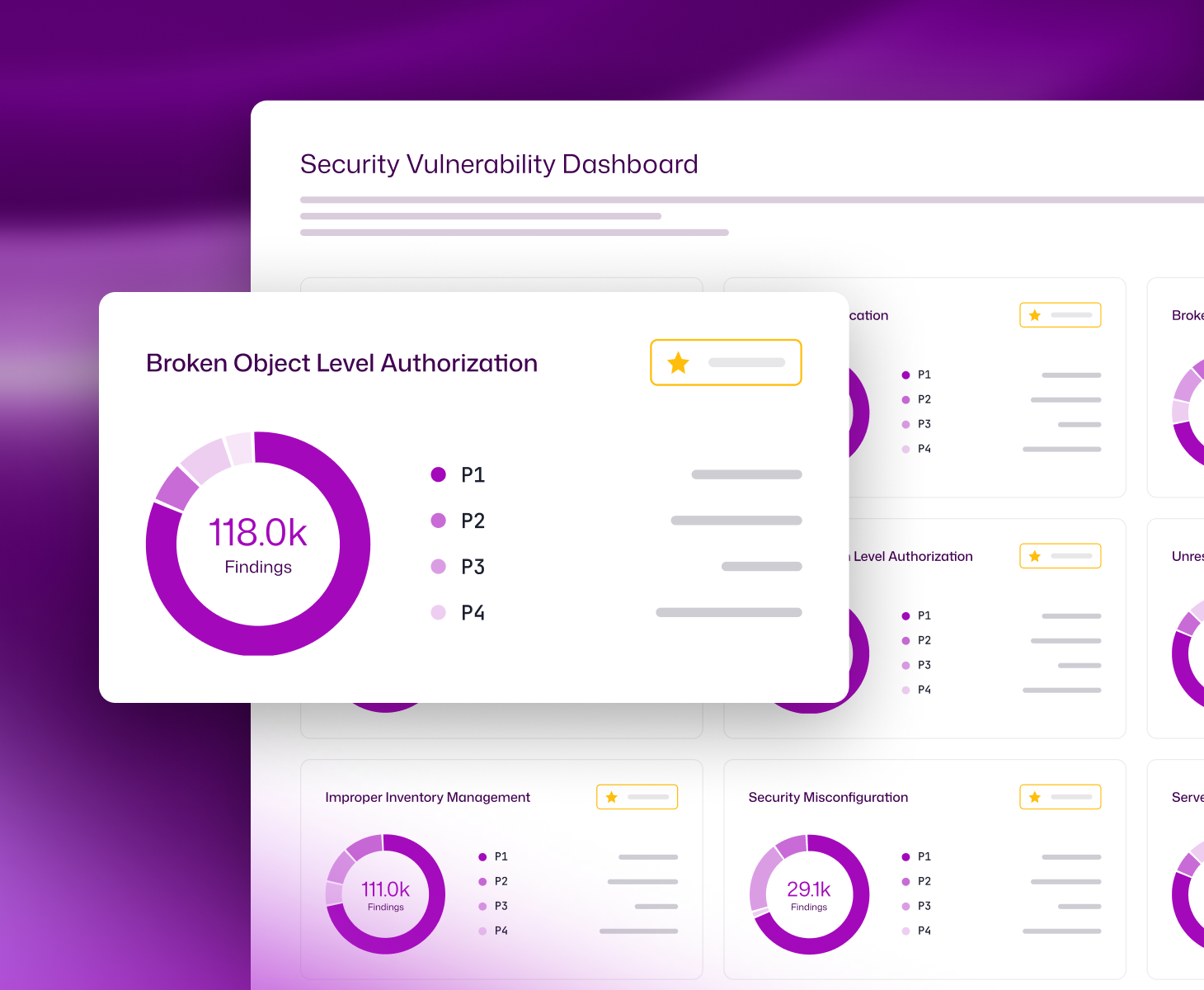
Prioritize AppSec flaws with true business context
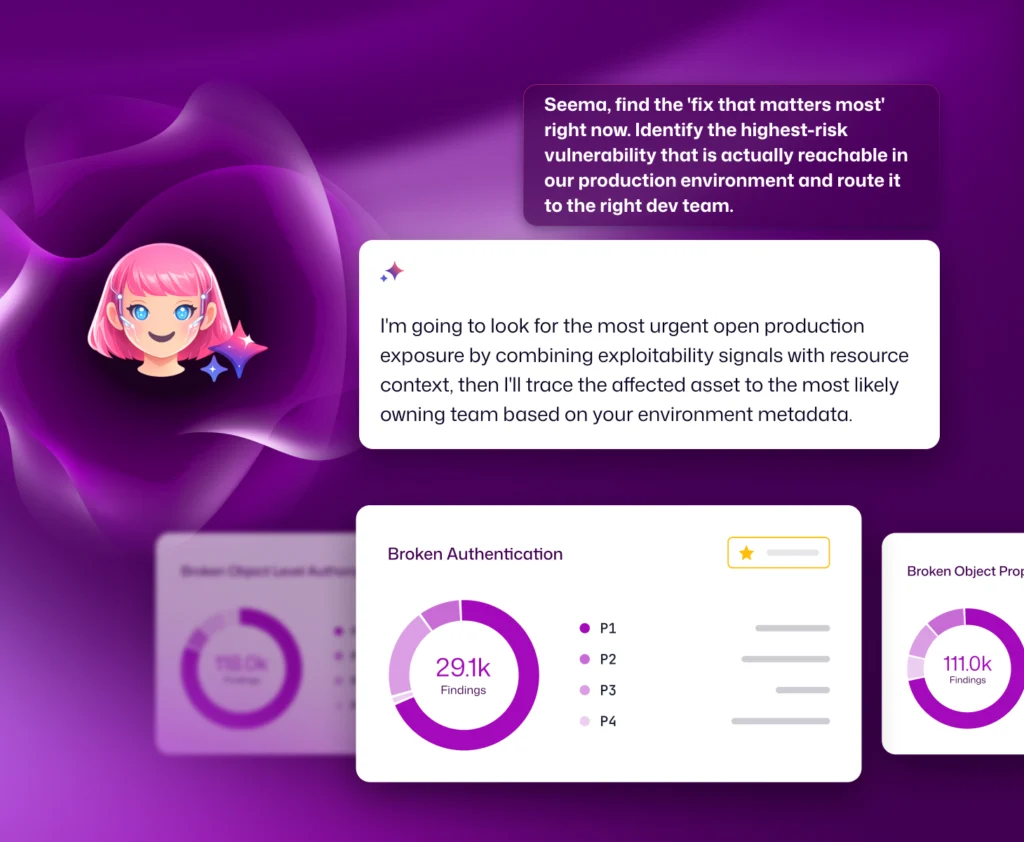
Automate mobilization from detection to deployment
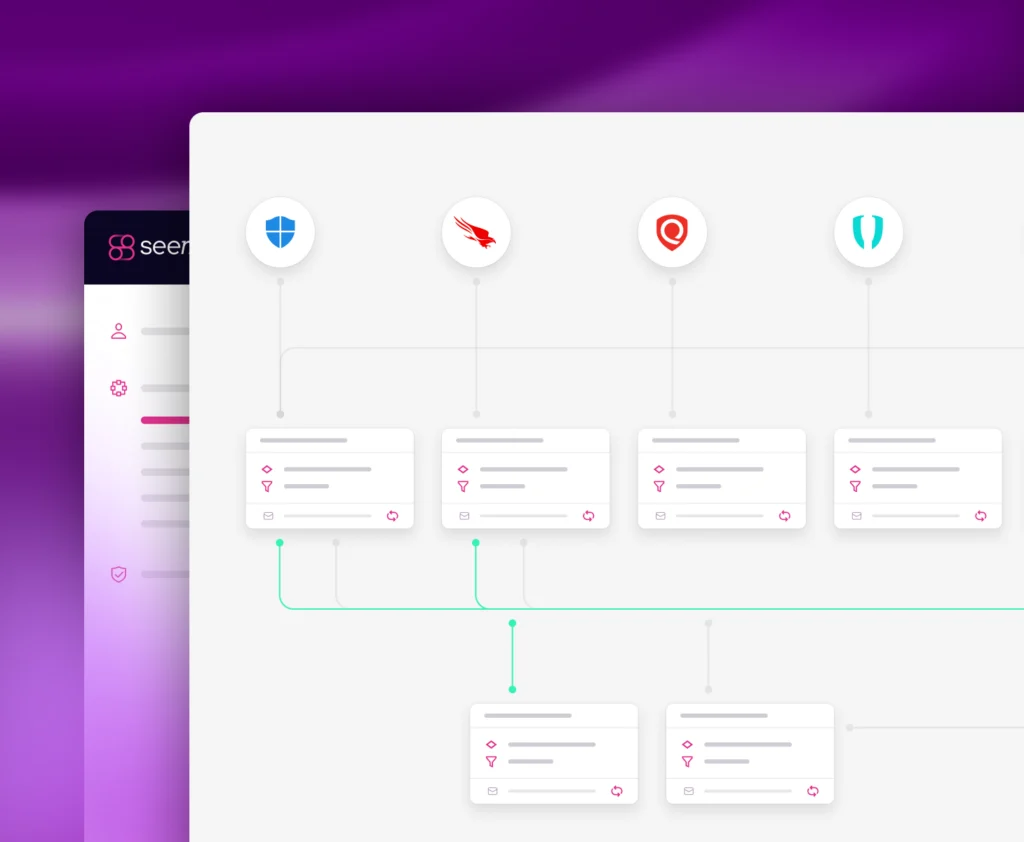
Continuous validation and tracking
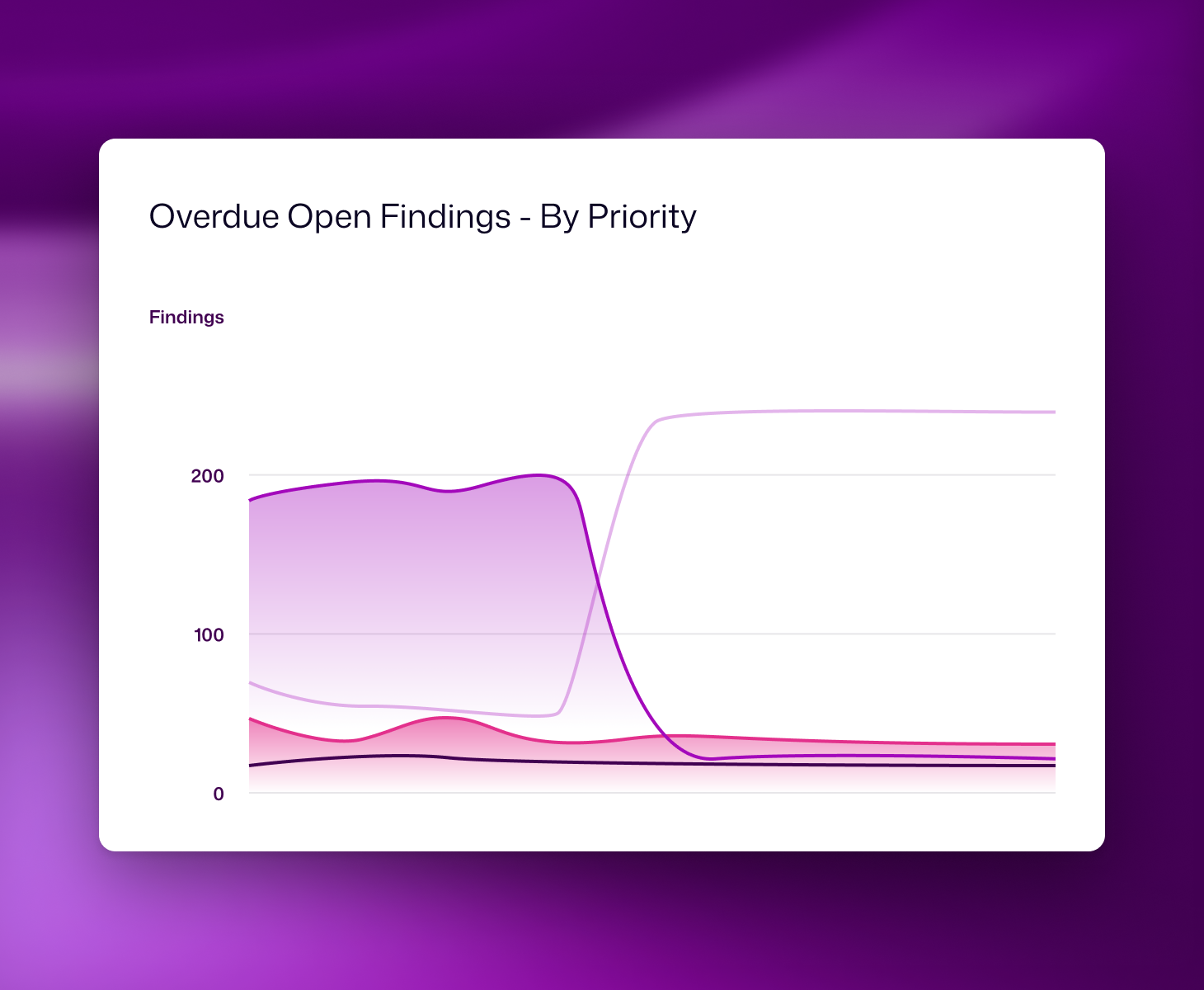
Real results for teams of every size.
Assets without owners
%
%
Critical findings resolved
%
%
Finding backlogs reduced
K
K
Remediation velocity
Weeks
Days
A complete solution for AppSec exposure management
Centralize and normalize your exposure data
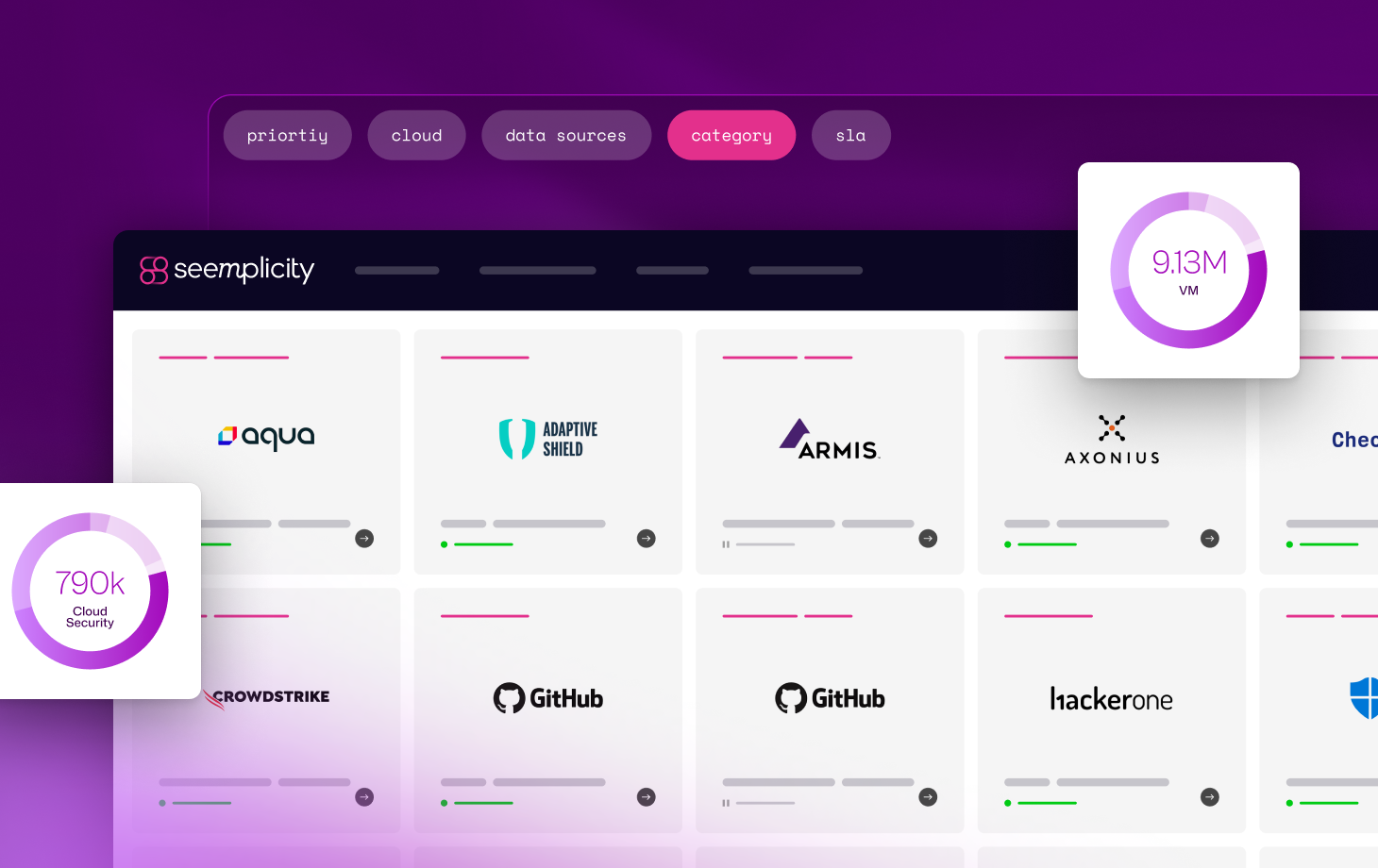
Aggregate application vulnerabilities, misconfigurations, and exposures. By unifying data from all your scanning sources, you eliminate the gaps created by siloed, point-in-time reporting and create a single, consistent model for AppSec risk data.
Live tracking for OWASP Top 10 and regulatory compliance
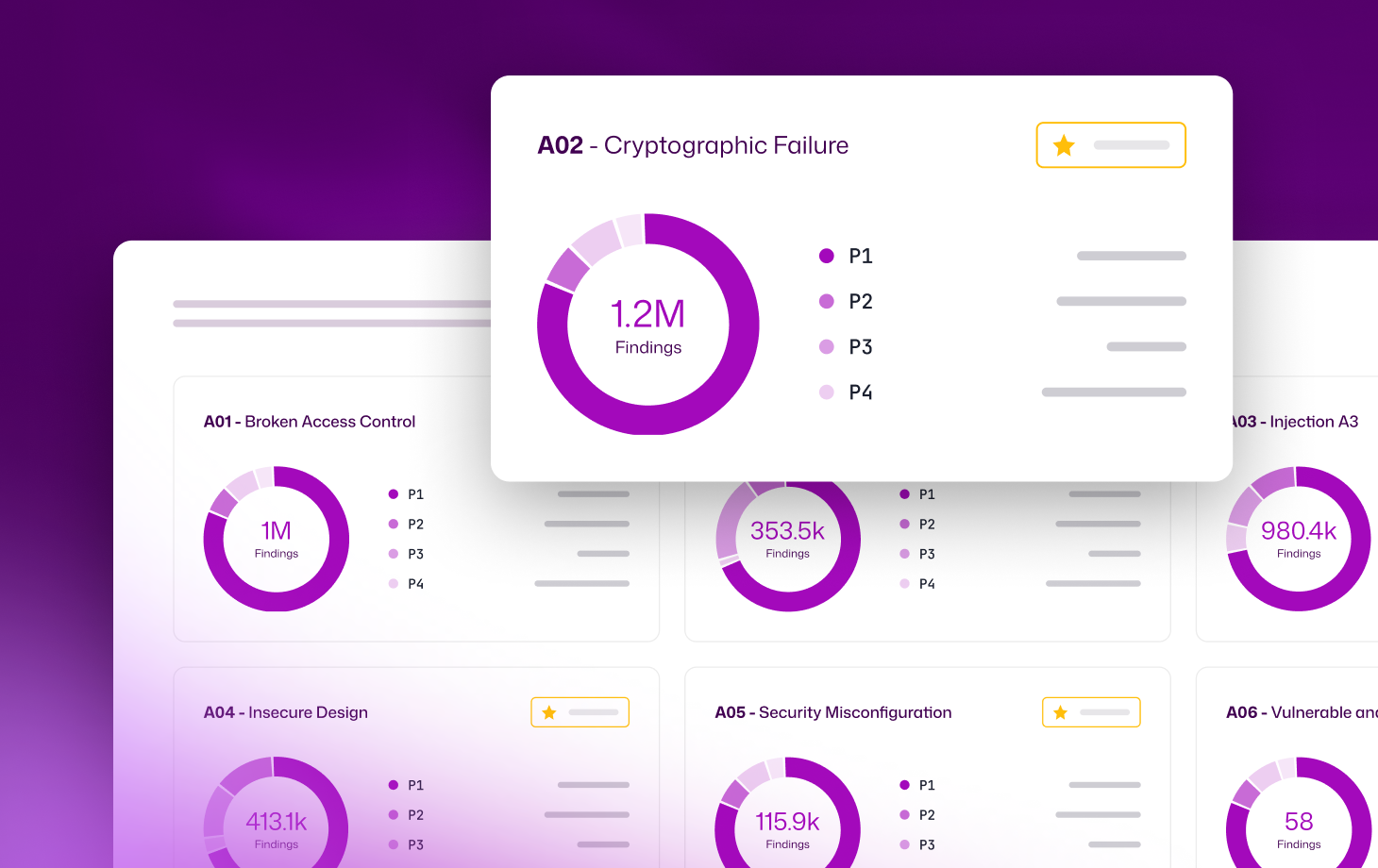
Ditch the manual spreadsheets. Seemplicity provides a specific, live-updating dashboard to automatically map your application flaws directly to the OWASP Top 10 and other GRC standards. Immediately see your coverage, compliance status, and top exposure gaps across your entire application portfolio.
Connect security findings to the code and fixer
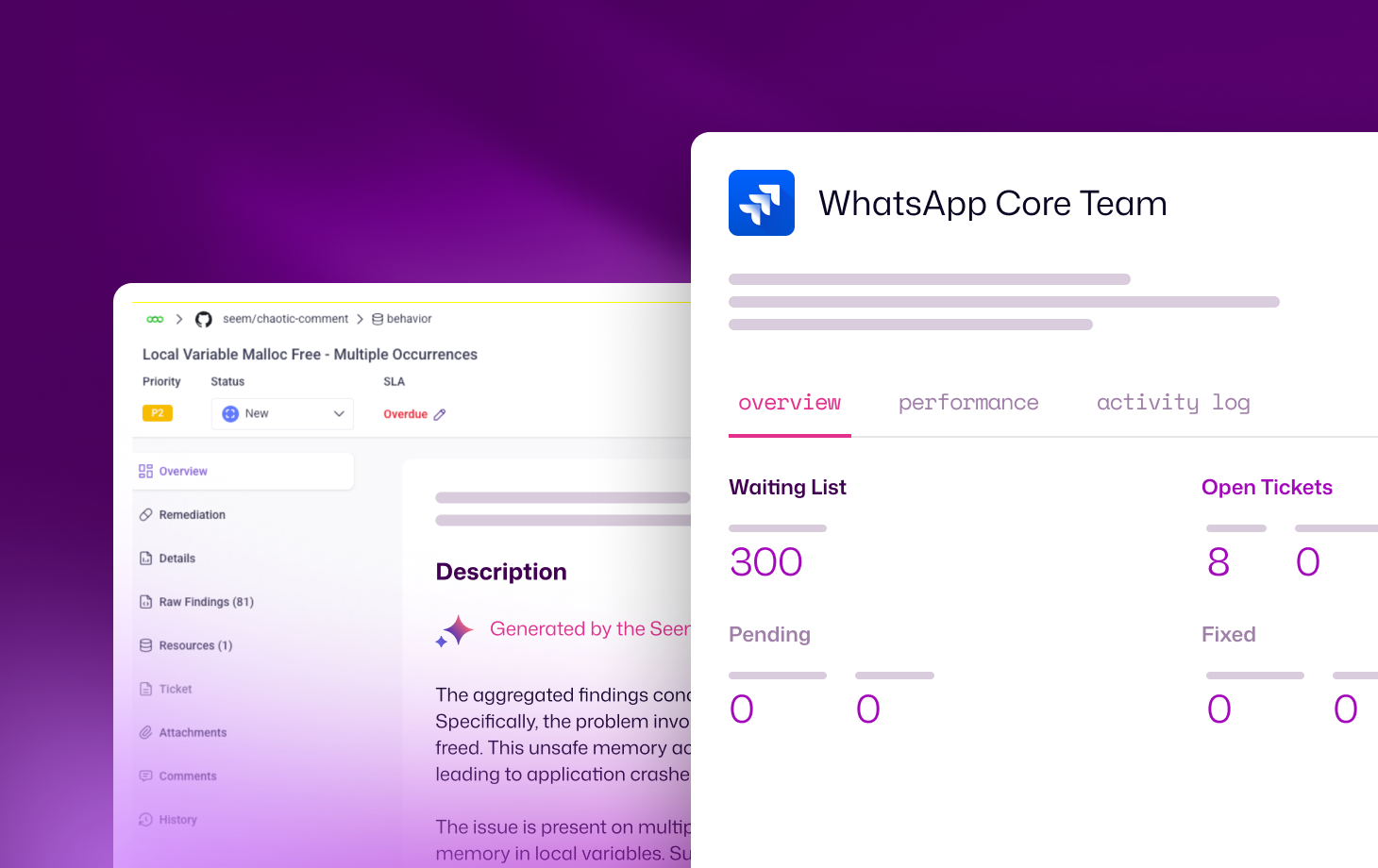
Close the gap between security and engineering. Seemplicity doesn’t just find the bug; it connects it to the specific code repository, line of code (where possible), and developer owner to accelerate time-to-fix and eliminate developer fatigue.
Metrics that prove measurable progress
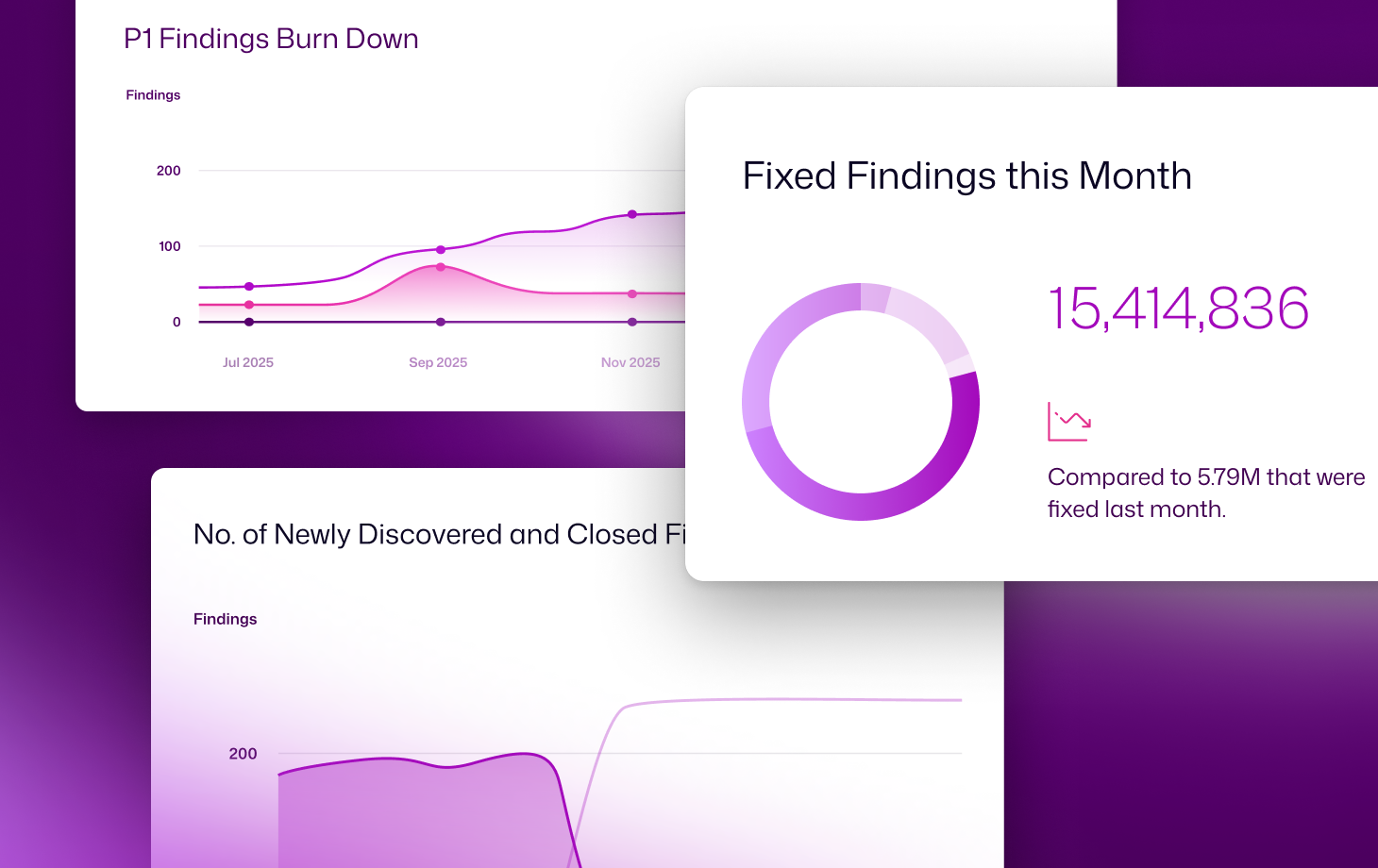
Trade manual data-crunching for live, flexible metrics that show exactly how your application security remediation efforts are shrinking your attack surface and proving impact. Build and share executive-level or deep-dive technical views in seconds.
/research Report
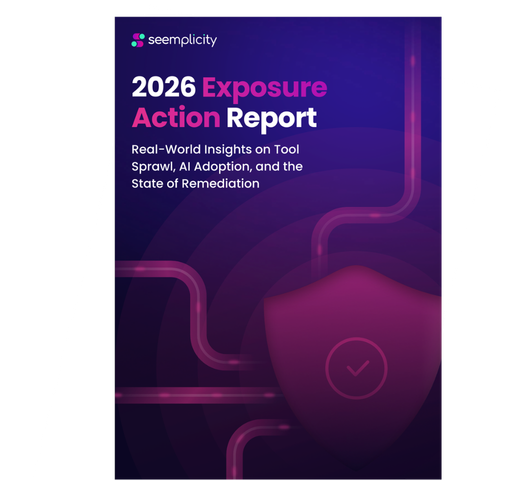
2026 Exposure Action Report
Real exposure management insights based on 2025 customer data. Learn how teams scale remediation, reduce backlogs, and drive measurable risk reduction.
Frequently asked questions
Application security (AppSec) is the practice of identifying, mitigating, and preventing vulnerabilities in software applications throughout their entire lifecycle, from design and development through deployment and maintenance. It encompasses the processes, tools, and controls used to protect applications from threats such as injection attacks, broken authentication, insecure data exposure, and logic flaws.
Unlike network or infrastructure security, application security focuses specifically on the code, architecture, and behavior of software itself. As applications have become the primary interface through which organizations deliver services and handle sensitive data, securing them has become a foundational element of any enterprise security strategy.
Application security testing involves systematically analyzing an application to uncover exploitable weaknesses before – or after – it reaches production. The primary testing methodologies include Static Application Security Testing (SAST), which analyzes source code or binaries without executing the application; Dynamic Application Security Testing (DAST), which tests the running application by simulating external attacks; and Software Composition Analysis (SCA), which identifies known vulnerabilities in open-source and third-party dependencies.
More comprehensive programs also incorporate Interactive Application Security Testing (IAST), manual code review, and penetration testing. AI-assisted testing tools are increasingly being adopted to improve vulnerability detection coverage, reduce false positives, and help security teams prioritize findings at scale. Each method has distinct strengths and blind spots, which is why security teams increasingly adopt a layered testing approach – often referred to as a hybrid AppSec testing strategy – to maximize vulnerability coverage across the software development lifecycle.
Application security is one of the primary sources of exposure data within a broader exposure management program. Security testing activities, such as SAST, DAST, SCA, and penetration testing, continuously surface vulnerabilities across an organization’s application layer, generating a high volume of findings that must be assessed, prioritized, and remediated. Without a structured exposure management capability, these findings frequently accumulate faster than security and development teams can act on them, creating a growing backlog of unresolved risk.
Exposure management provides the operational layer that gives application security findings business context and actionable structure. By correlating AppSec vulnerabilities with asset criticality, threat intelligence, and compensating controls, exposure management programs enable security teams to prioritize remediation efforts based on actual risk rather than raw severity scores alone. This connection is particularly important in environments where applications are numerous, frequently updated, and owned by distributed development teams – conditions under which ungoverned AppSec output can quickly become unmanageable without a systematic approach to triage and remediation orchestration.
The terms are often used interchangeably, but there is a meaningful distinction. Software security refers to the engineering discipline of building applications that are inherently resistant to attack, embedding security into design decisions, coding practices, and architecture from the outset. Application security is the broader operational program that encompasses this secure-by-design approach alongside runtime protection, vulnerability management, penetration testing, and ongoing monitoring of deployed applications.
In this framing, software security is a foundational input to a mature application security program rather than a separate track. Organizations that integrate secure development practices into their delivery pipelines – alongside continuous testing and remediation – are executing application security in its fullest form.
The most frequently exploited application vulnerabilities are well-documented by the security community and include injection flaws (such as SQL injection and command injection), broken access control, cryptographic failures, insecure design, and security misconfigurations. Cross-site scripting (XSS), insecure deserialization, and the use of components with known vulnerabilities are also consistently among the most prevalent risks.
These vulnerability classes recur across industries and technology stacks because they often stem from common development oversights rather than exotic attack techniques. Understanding and remediating these categories is the baseline expectation for any application security program.
DevSecOps is the practice of integrating security controls and testing directly into the continuous integration and continuous delivery (CI/CD) pipeline, rather than treating security as a separate gate at the end of the development process. In this model, application security becomes a shared responsibility across development, security, and operations teams, with automated security checks running alongside code builds, tests, and deployments.
The practical effect is that vulnerabilities are identified and remediated earlier in the development lifecycle, when they are significantly cheaper and faster to fix. Application security tooling embedded in developer workflows, such as IDE plugins, automated SAST scans on pull requests, and dependency scanning in pipelines, enables security teams to scale their coverage without becoming a bottleneck to delivery velocity.
API security is a specialized subdomain of application security focused on protecting application programming interfaces – the communication channels through which modern applications exchange data and functionality. While application security addresses the full breadth of an application’s attack surface, including its user interface, business logic, authentication mechanisms, and data handling, API security concentrates specifically on threats such as broken object-level authorization, excessive data exposure, rate limiting failures, and API-specific injection attacks.
The distinction has grown more operationally significant as organizations increasingly rely on microservices architectures and third-party integrations, which can expose hundreds or thousands of API endpoints. A comprehensive application security program must explicitly address API security as a distinct and high-priority concern, rather than assuming that general application controls provide sufficient coverage.
Applications are now the dominant attack vector in enterprise breaches. Threat actors increasingly target the application layer because it is directly exposed to the internet, handles high-value data, and has historically received less consistent security investment than network infrastructure. The widespread adoption of cloud-native architectures, open-source components, and rapid release cycles has expanded the attack surface considerably; and the growing use of AI-assisted development tools is accelerating this further, as code is produced faster and at greater volume than traditional security review processes were designed to handle.
Regulatory and compliance frameworks across industries have also elevated application security requirements, making it a matter of legal and contractual obligation in addition to operational risk management. Organizations that fail to maintain a mature application security posture face not only heightened breach exposure but also reputational, financial, and regulatory consequences. As a result, application security has moved from a specialist concern to a board-level priority in security-conscious enterprises.


Say Goodbye to
Backlog of vulnerabilities
Misconfigurations
Scattered findings across tools