





One platform to unify, operationalize, and scale your RBVM program
/risk based vulnerability management
Stop chasing scores and start closing gaps. AI-driven prioritization that finds the vulnerabilities that actually matter.

Risk based vulnerability management shouldn’t feel like a race you can’t win
When every finding is treated with the same urgency, your teams burn out while the risks that actually matter stay open.

Meaningless math from static CVSS scores creates a massive backlog of “Criticals” that don’t actually threaten your business.

The ownership guessing game forces security teams to play detective for hours just to find the right person to actually fix a flaw.

Death by a thousand scan reports buries your team in PDFs, leading to total burnout and inaction.

Checking boxes instead of closing gaps leaves you focused on the wrong things while your organization’s resilience remains a mystery.
Smarter context for a cleaner backlog
Aggregate, prioritize, and automate your vulnerability workflow, turning a sea of CVEs into a streamlined path to a fix.
Unified view of entire vulnerability landscape
Don’t just aggregate data; normalize it. No more fragmented data, just a consolidated view of your entire vulnerability landscape.
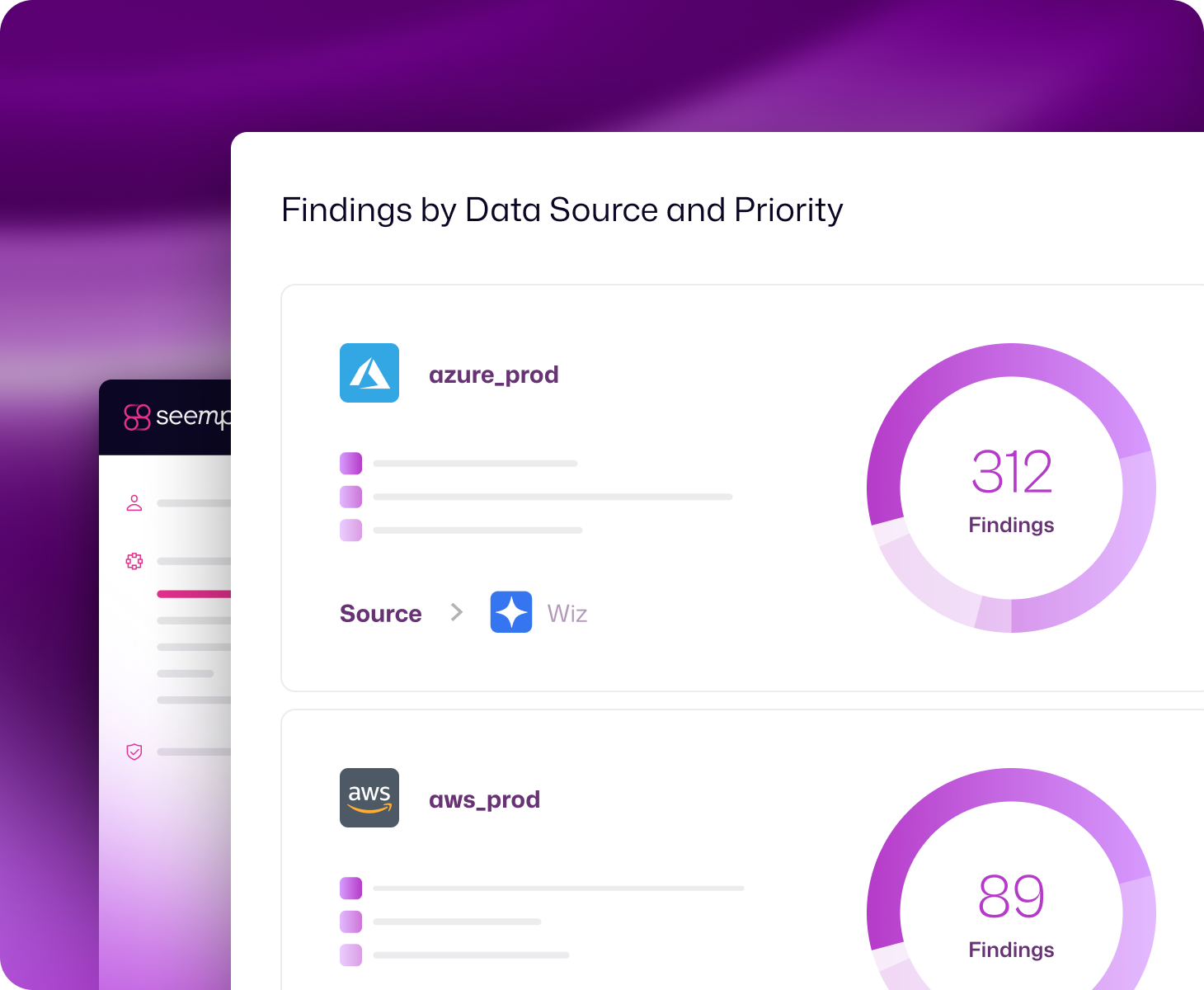
Start prioritizing with purpose
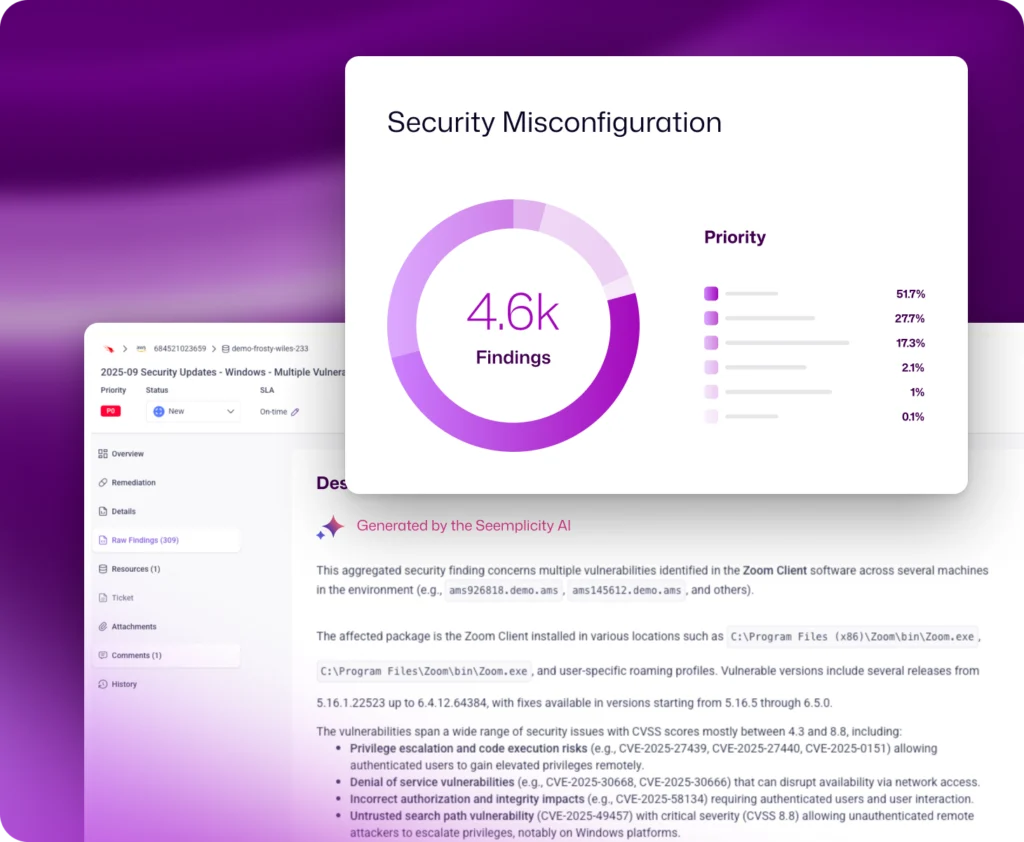
Bridge the gap between Security and IT
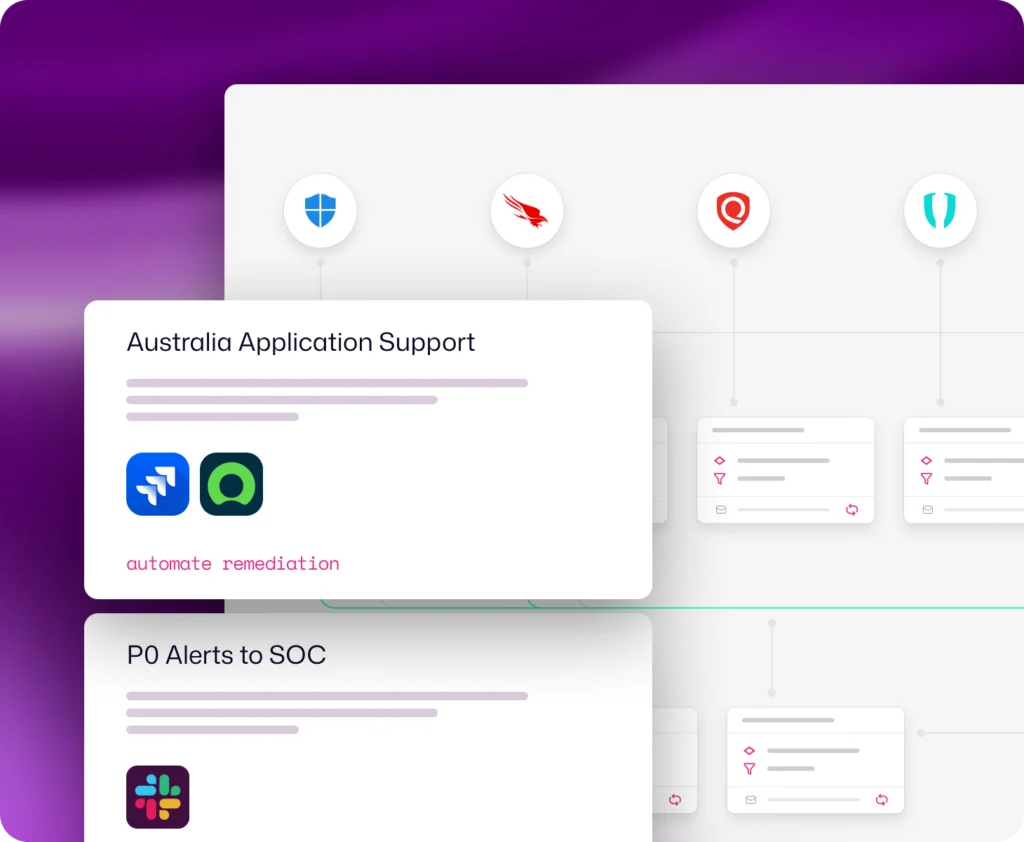
Prove you’re moving the needle
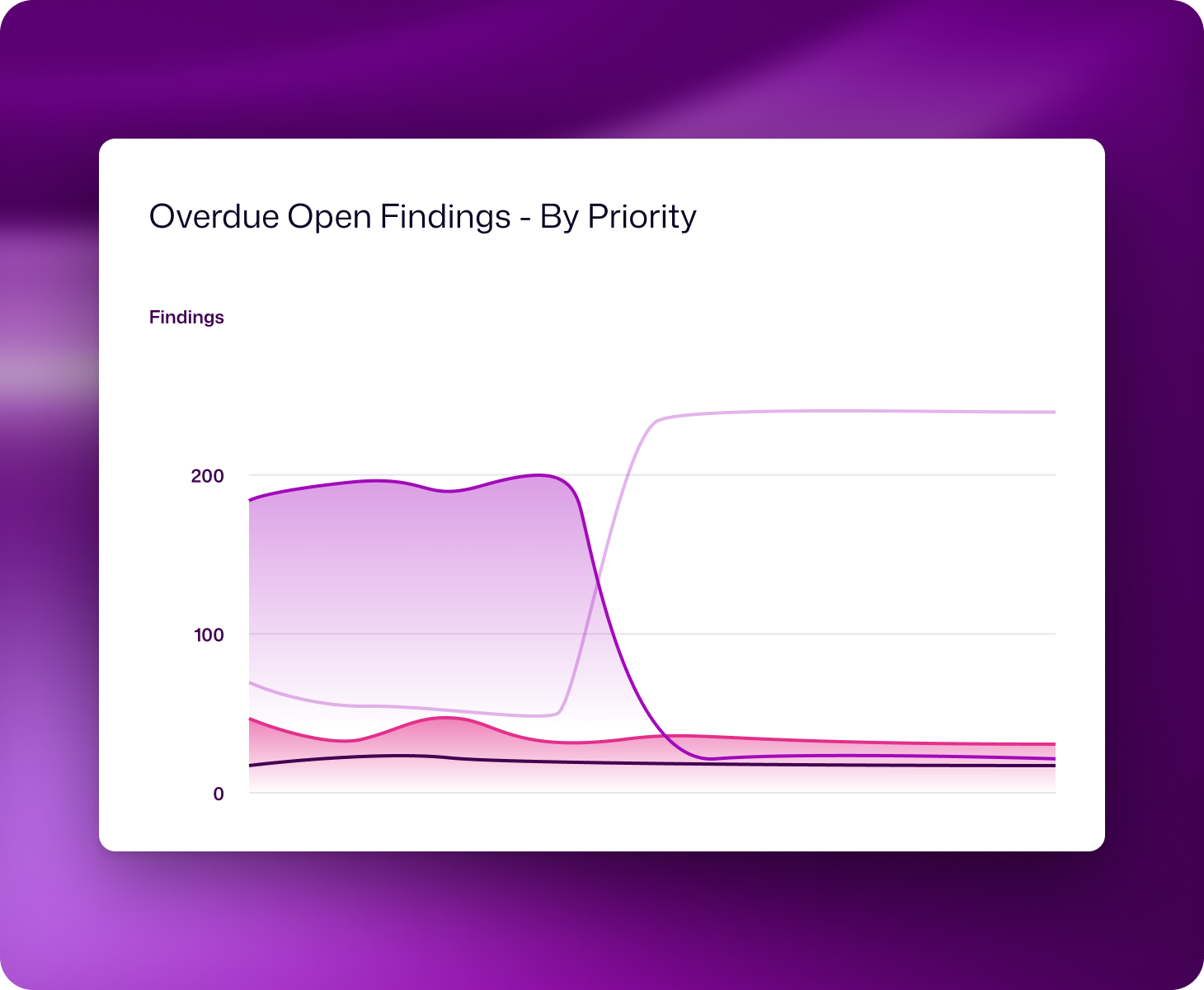
Real results for teams of every size.
Assets without owners
%
%
Critical findings resolved
%
%
Finding backlogs reduced
K
K
Remediation velocity
Weeks
Days
Use AI to collapse your backlog and demonstrate measurable risk reduction
Turn thousands of alerts into one actionable fix
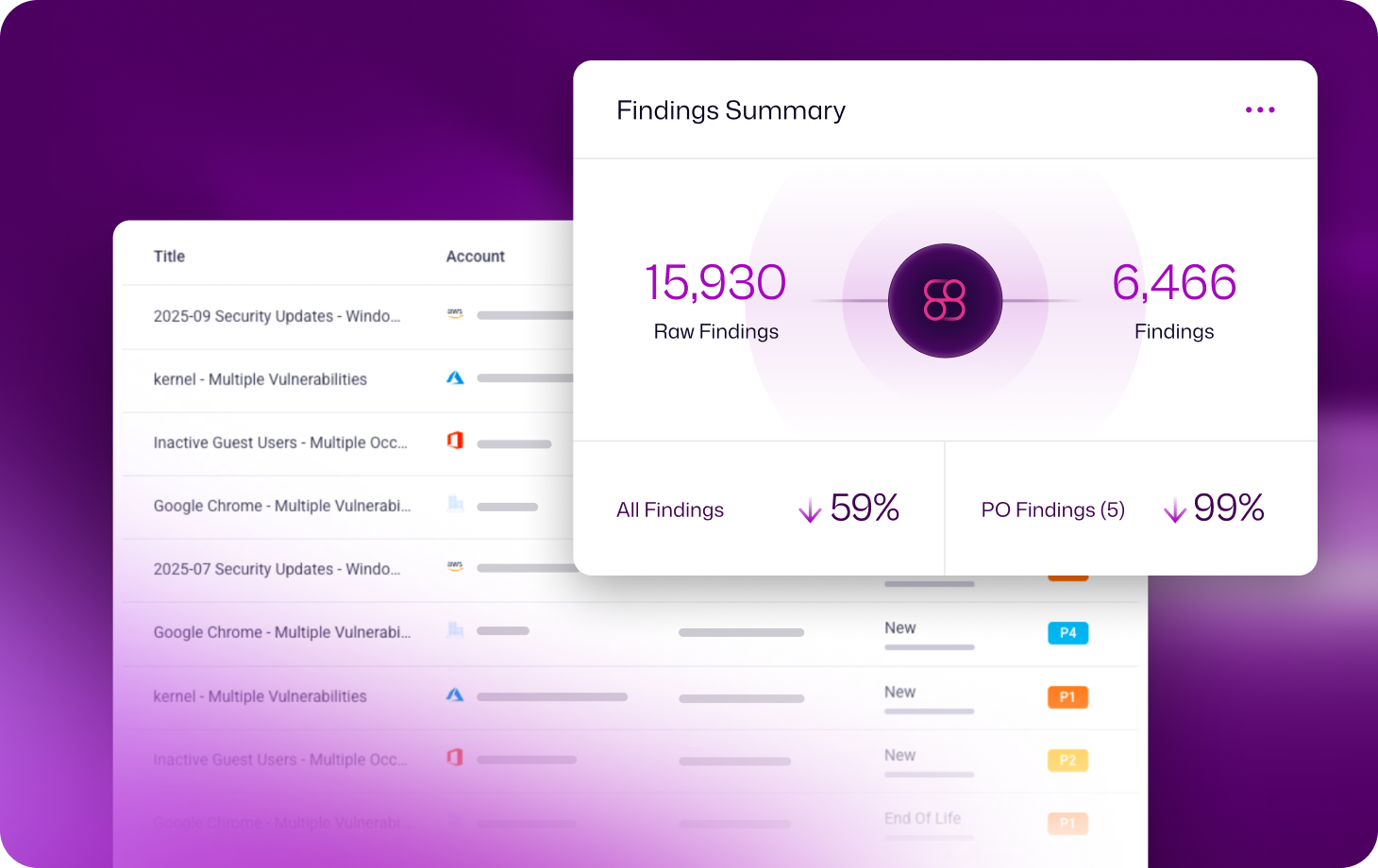
Instead of sending a ticket for every bug, Seemplicity groups findings by the “fix.” This eliminates redundant work, reduces developer fatigue, and accelerates your remediation cycle.
Operationalize remediation with AI Agent teams
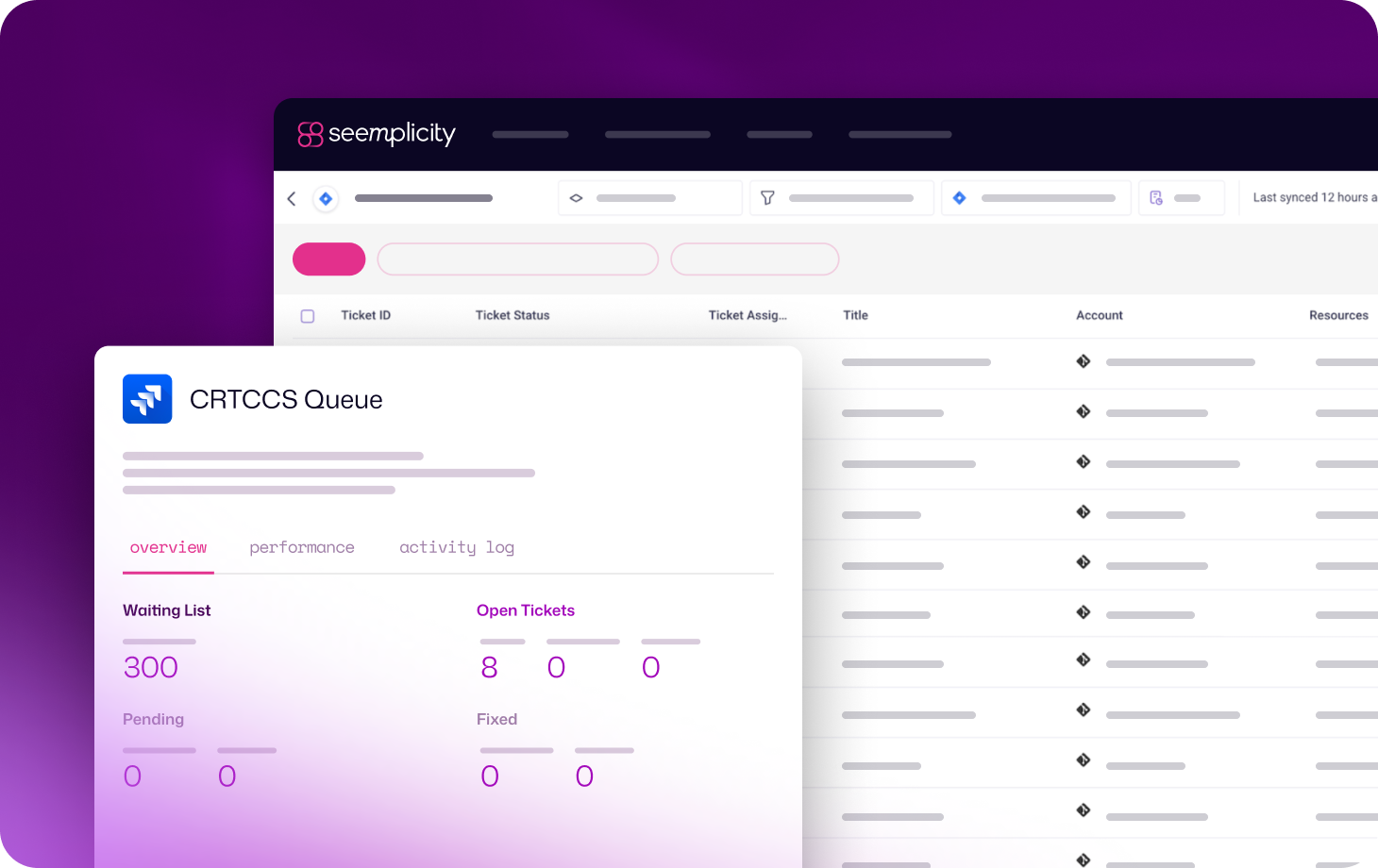
Move from discovery to recovery without the manual hand-off. Specialized AI agent teams automatically validate findings and route fix-ready tasks directly to the right desk.
Instant answers to your toughest risk questions

Whether you need a quick status update on a specific vulnerability or a high-level summary for a board meeting, use Seema, our conversational AI assistant, to bridge the gap between data and action.
Visualize impact with flexible, live dashboards
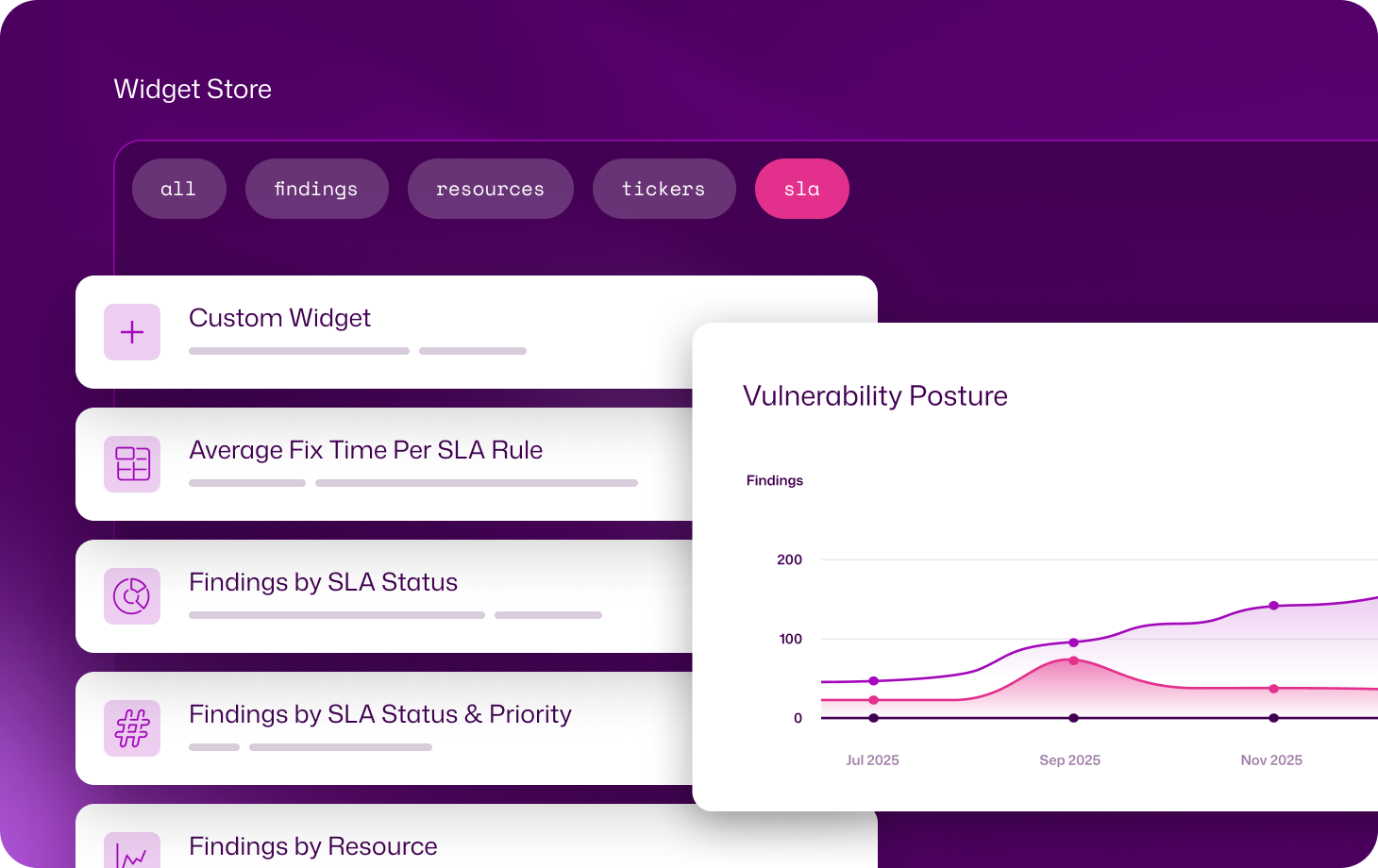
Build and edit custom dashboards in seconds to track SLA compliance, team performance, or GRC initiatives. Whether it’s a high-level executive summary or a deep-dive technical view, you have the live metrics to prove your program is working.
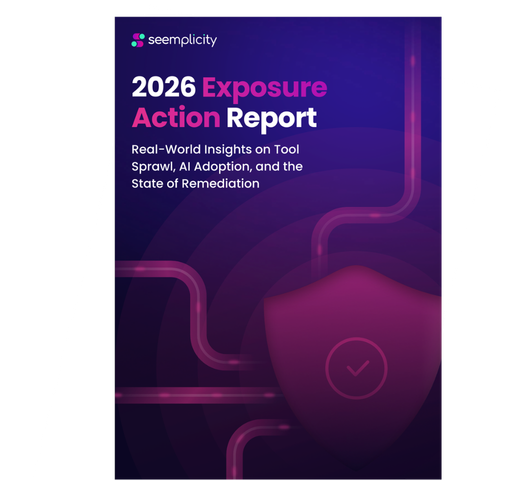
/research Report
2026 Exposure Action Report
Real exposure management insights based on 2025 customer data. Learn how teams scale remediation, reduce backlogs, and drive measurable risk reduction.
Frequently asked questions
Risk based vulnerability management (RBVM) is a cybersecurity approach that prioritizes the remediation of vulnerabilities based on the actual risk they pose to an organization, rather than treating all vulnerabilities equally or relying solely on generic severity scores. It incorporates contextual factors, such as asset criticality, exploitability, threat intelligence, and business impact, to determine which vulnerabilities demand immediate attention.
Unlike traditional vulnerability management, which often generates overwhelming backlogs of findings ranked by CVSS scores alone, RBVM enables security teams to focus limited resources on the vulnerabilities that represent the greatest realistic threat to their specific environment. The result is a more efficient, defensible, and business-aligned remediation process.
Traditional vulnerability management typically involves scanning for vulnerabilities and ranking them by standardized severity scores such as CVSS. While this provides a consistent baseline, it treats all environments as equivalent and frequently surfaces thousands of high-severity findings without regard for whether those vulnerabilities are actually exploitable in context or whether the affected assets are business-critical.
Risk based vulnerability management adds layers of contextual intelligence to that process. It weighs factors such as active exploitation in the wild, asset exposure, compensating controls, and organizational risk appetite to produce a prioritized, actionable remediation queue. This shift from volume-driven to risk-driven prioritization allows security and IT teams to reduce mean time to remediation (MTTR) on the vulnerabilities that matter most, while avoiding wasted effort on findings that pose minimal real-world risk.
Effective RBVM frameworks evaluate risk across several dimensions simultaneously. Threat intelligence feeds inform whether a vulnerability is being actively exploited in the wild or has known exploit code available. Asset context determines whether the affected system is internet-facing, stores sensitive data, or supports critical business operations. Exploitability metrics, including factors captured in scoring systems such as EPSS (Exploit Prediction Scoring System), help estimate the likelihood that a vulnerability will be weaponized.
Additional considerations include the presence or absence of compensating controls, network segmentation, user privilege levels, and regulatory compliance requirements. By aggregating these signals, RBVM platforms generate a composite risk score that reflects true organizational exposure rather than a theoretical, environment-agnostic severity rating.
Modern enterprise environments generate tens of thousands of vulnerability findings per month. Without a structured method for prioritization, security teams face alert fatigue, inefficient remediation workflows, and difficulty demonstrating progress to stakeholders. Risk based vulnerability management addresses this directly by providing a clear, data-driven framework for deciding what to fix first, what to schedule, and what to accept or monitor.
Beyond operational efficiency, RBVM strengthens an organization’s overall security posture by ensuring that remediation effort is concentrated on the exposures most likely to be exploited and most damaging if breached. It also supports better communication between security, IT operations, and executive leadership by framing vulnerabilities in terms of business risk rather than technical severity – a distinction that is increasingly important for board-level reporting and regulatory alignment.
Risk based vulnerability management is a foundational component of broader exposure management programs. While RBVM focuses specifically on the identification, prioritization, and remediation of software and configuration vulnerabilities, exposure management – often framed under continuous threat exposure management (CTEM) – takes a wider view that encompasses attack surface visibility, identity risks, misconfigurations, and third-party exposures.
The two approaches are complementary. RBVM provides the vulnerability-level rigor and prioritization logic that feeds into an exposure management workflow, while exposure management provides the broader organizational and adversarial context that makes RBVM decisions more accurate. Organizations maturing their security programs typically adopt RBVM as a prerequisite step toward implementing a full continuous exposure management capability.
The most meaningful metrics for RBVM effectiveness center on risk reduction over time rather than raw remediation volume. Key performance indicators include mean time to remediate (MTTR) for critical and high-risk vulnerabilities, the percentage of high-risk findings remediated within defined SLA windows, and the reduction in the organization’s overall risk exposure score across prioritized asset classes.
Secondary metrics such as remediation coverage rates, recurrence rates for previously patched vulnerability classes, and the ratio of risk-accepted findings to actively remediated ones provide additional operational insight. Tracking these metrics over time enables security leaders to demonstrate program maturity, identify bottlenecks in the remediation workflow – often at the handoff between security and IT operations – and make informed decisions about resource allocation and tooling investment.
One of the most significant challenges is data quality and integration. Effective RBVM depends on accurate, up-to-date asset inventories, reliable vulnerability scan coverage, and enriched threat intelligence, all of which require integration across multiple security and IT tools. Siloed data, incomplete asset discovery, and inconsistent scan cadences can undermine the accuracy of risk scoring and prioritization.
Organizational and process challenges are equally critical. Remediation typically requires collaboration between security teams and IT operations or development teams who operate under different priorities and toolsets. Without clearly defined ownership, SLAs, and escalation paths, even a well-configured RBVM program can stall at the remediation stage. Addressing these challenges requires not only the right technology, but also governance structures, cross-functional workflows, and executive sponsorship to sustain program momentum over time.



Say Goodbye to
Backlog of vulnerabilities
Misconfigurations
Scattered findings across tools