





Intelligent Exposure Management for the modern attack surface.
/Exposure Management
Eliminate exposures by turning findings into fixes and
get to what matters most, first.

Traditional exposure management can’t keep up with your expanding attack surface
When visibility is fragmented across siloed tools and hybrid environments, security teams are left guessing what to fix first.

Invisible assets across unmanaged cloud pockets and shadow IT create unknown entry points,

Isolated alerts lack the business context needed to separate critical threats from noise.

Endless scanning without prioritization leads to remediation fatigue and burnout.

Point-in-time snapshots fail to provide the continuous proof required for modern audits.
AI that manages your exposure at scale
Discover, prioritize, and mobilize remediation for every exposed asset across your entire hybrid and cloud-native attack surface.
Unify visibility across the entire attack surface
Get a single, comprehensive view of your digital footprint. Integrate findings from EASM, VM, and cloud tools to eliminate blind spots and shadow IT.
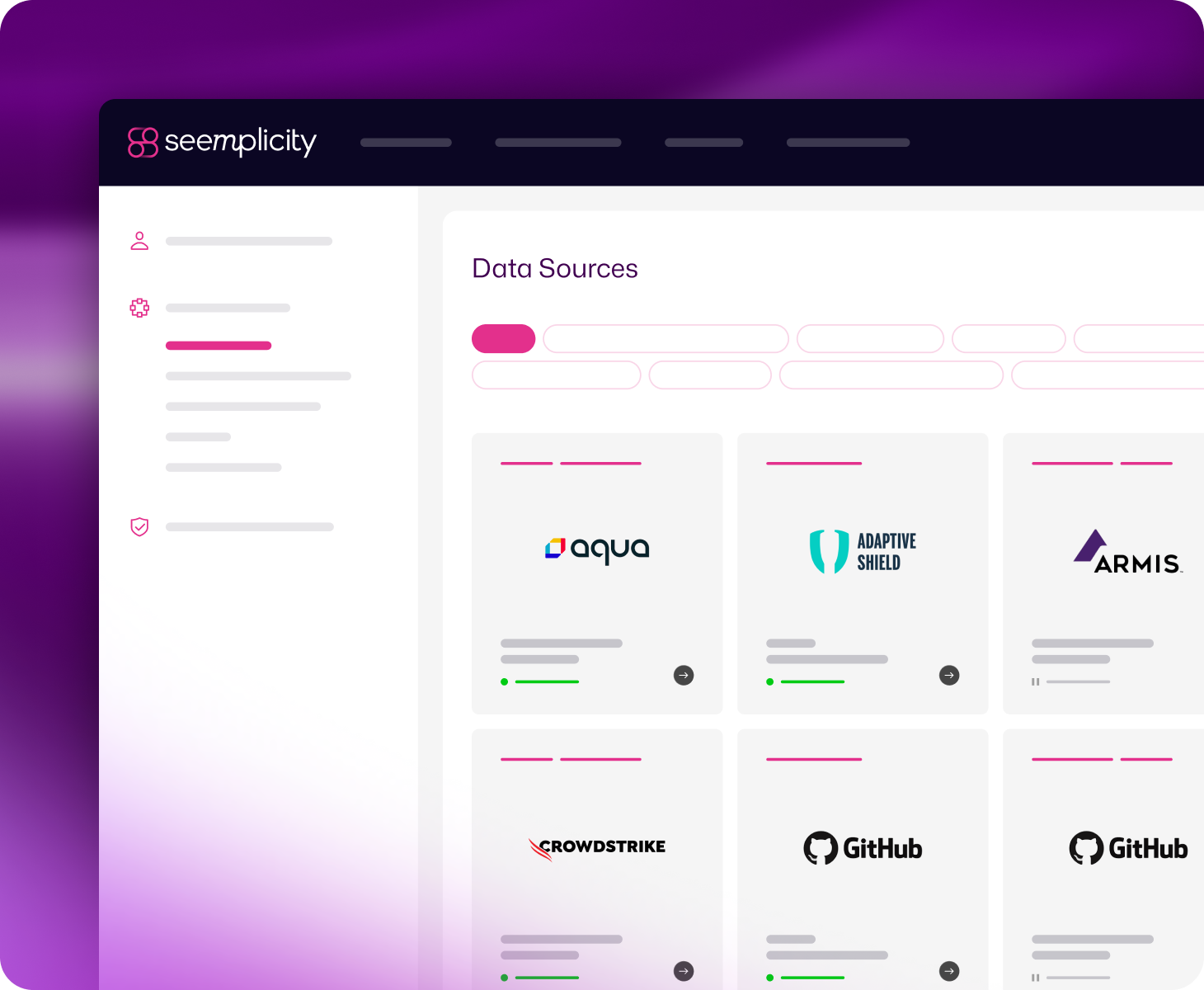
Prioritize exposure by business context and exploitability

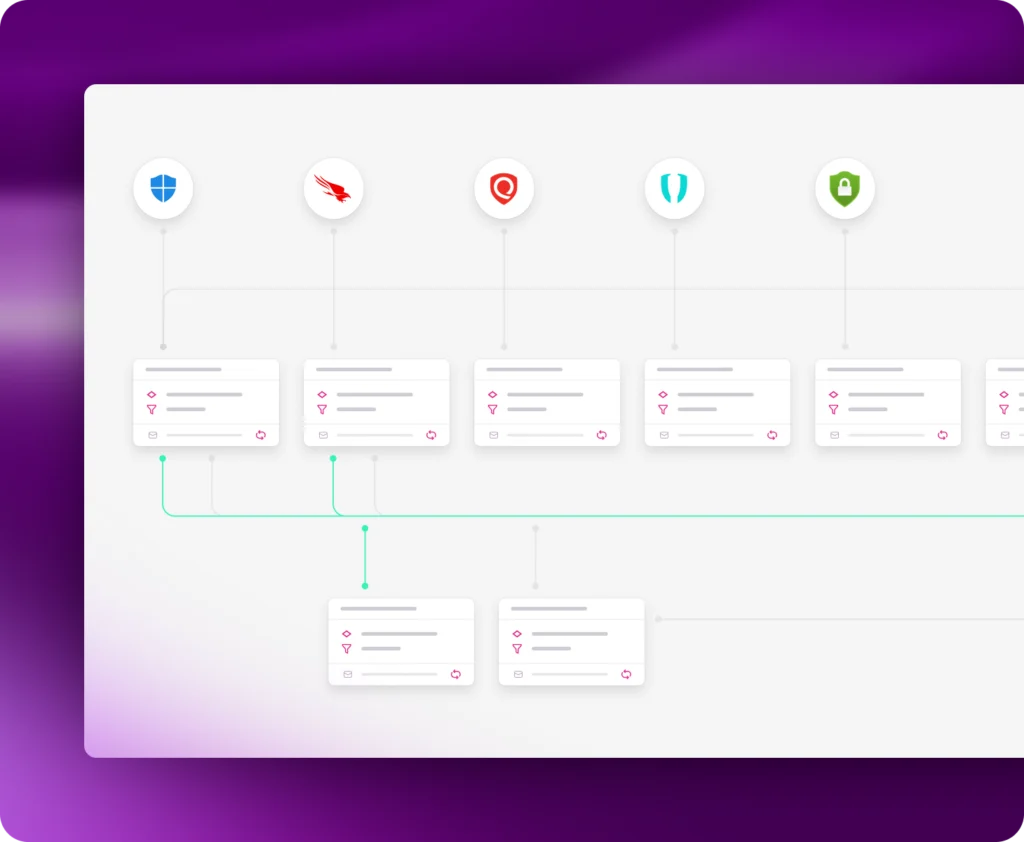
Orchestrate remediation across siloed teams
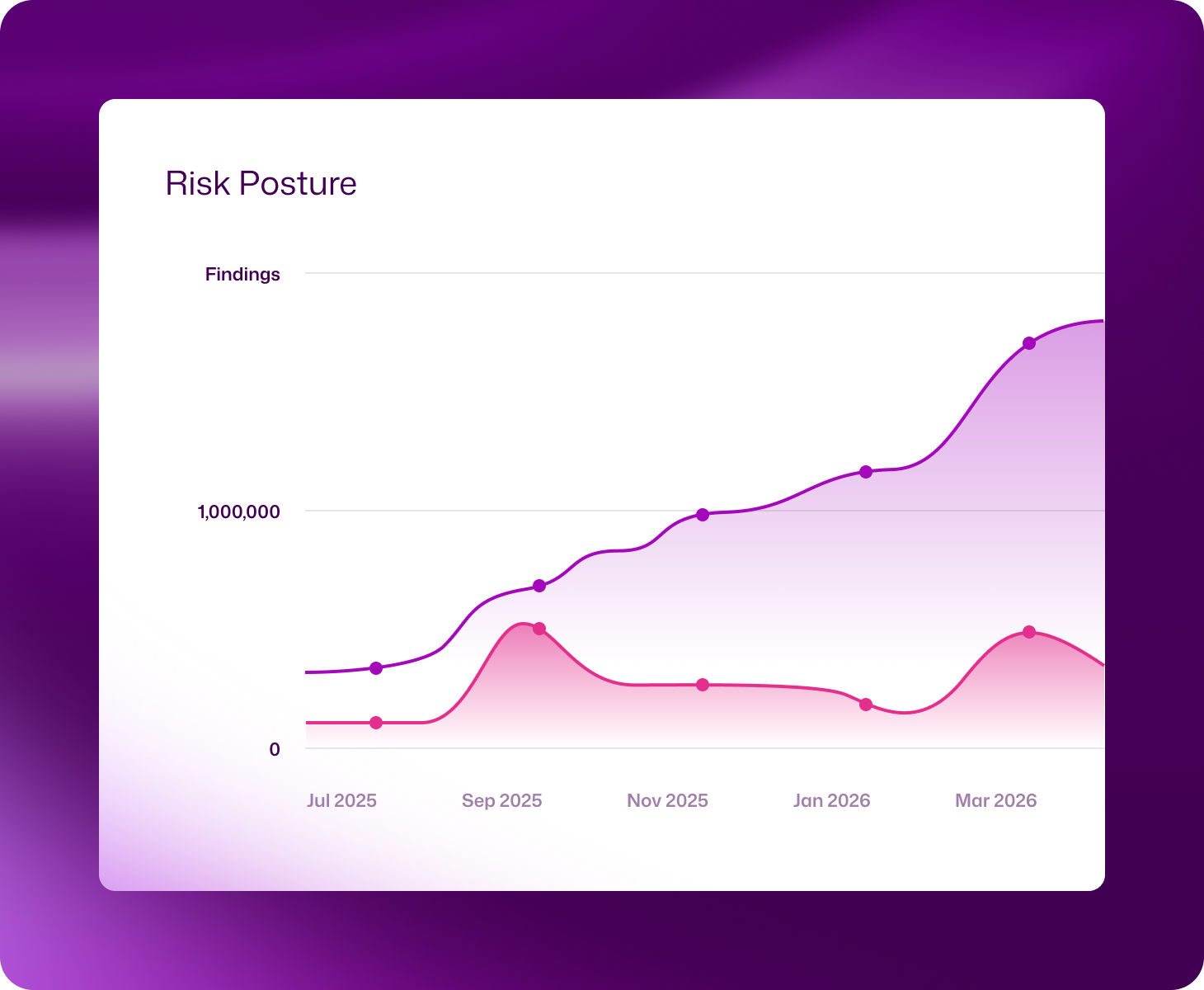
Continuous validation of your risk posture
Real results for teams of every size.
Assets without owners
%
%
Critical findings resolved
%
%
Finding backlogs reduced
K
K
Remediation velocity
Weeks
Days
One platform to aggregate, prioritize, and mobilize fixes across your entire attack surface
Centralize contextual findings from every tool
Aggregate, normalize, and de-duplicate findings across your entire attack surface. Create a common format for risk data that bridges the gap between siloed security tools.
Prioritize what matters with business-aligned context
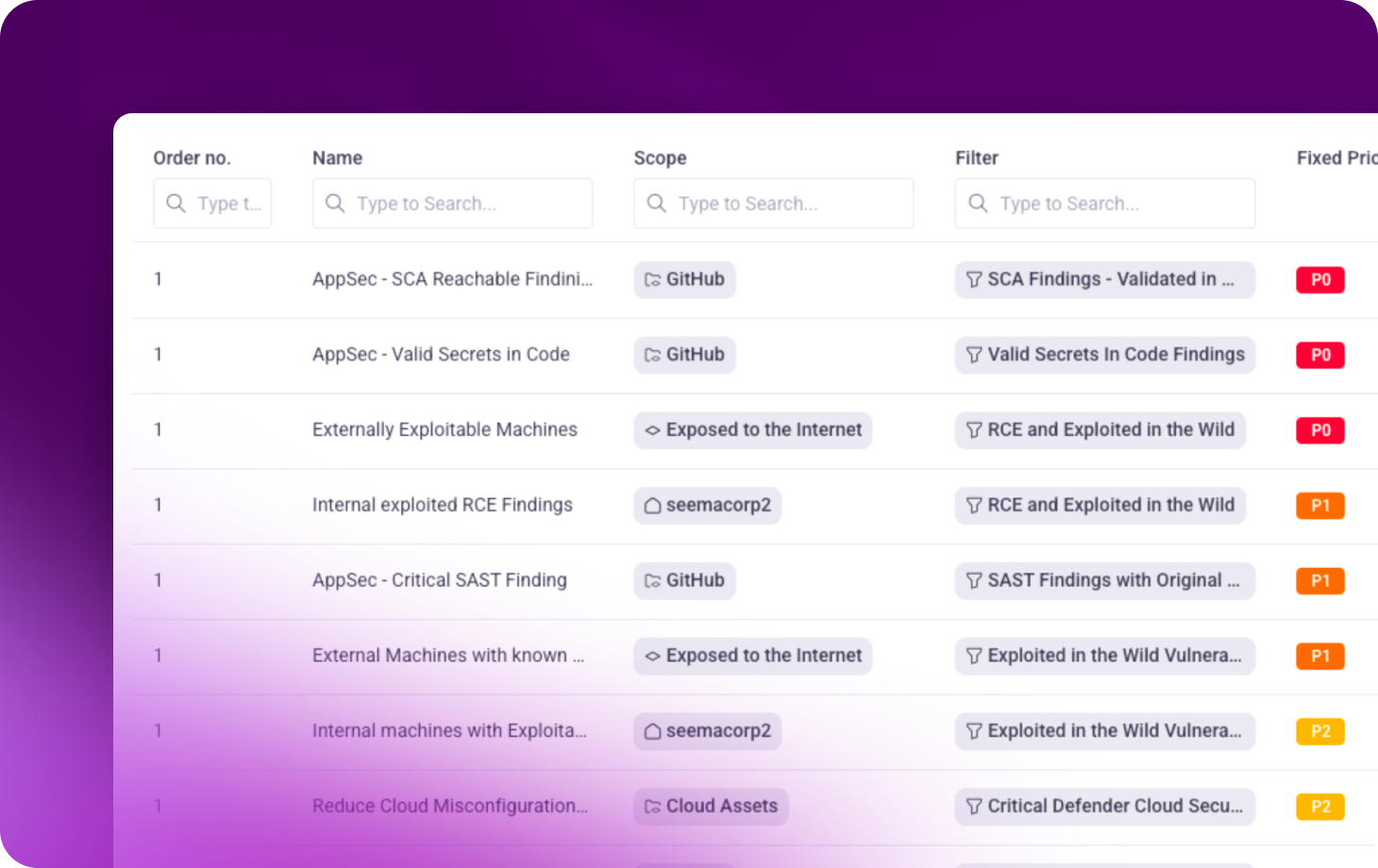
Move beyond generic severity scores. Prioritize based on real-world reachability, exploitability, and asset criticality specific to your environment.
Scale your program with AI Agent teams
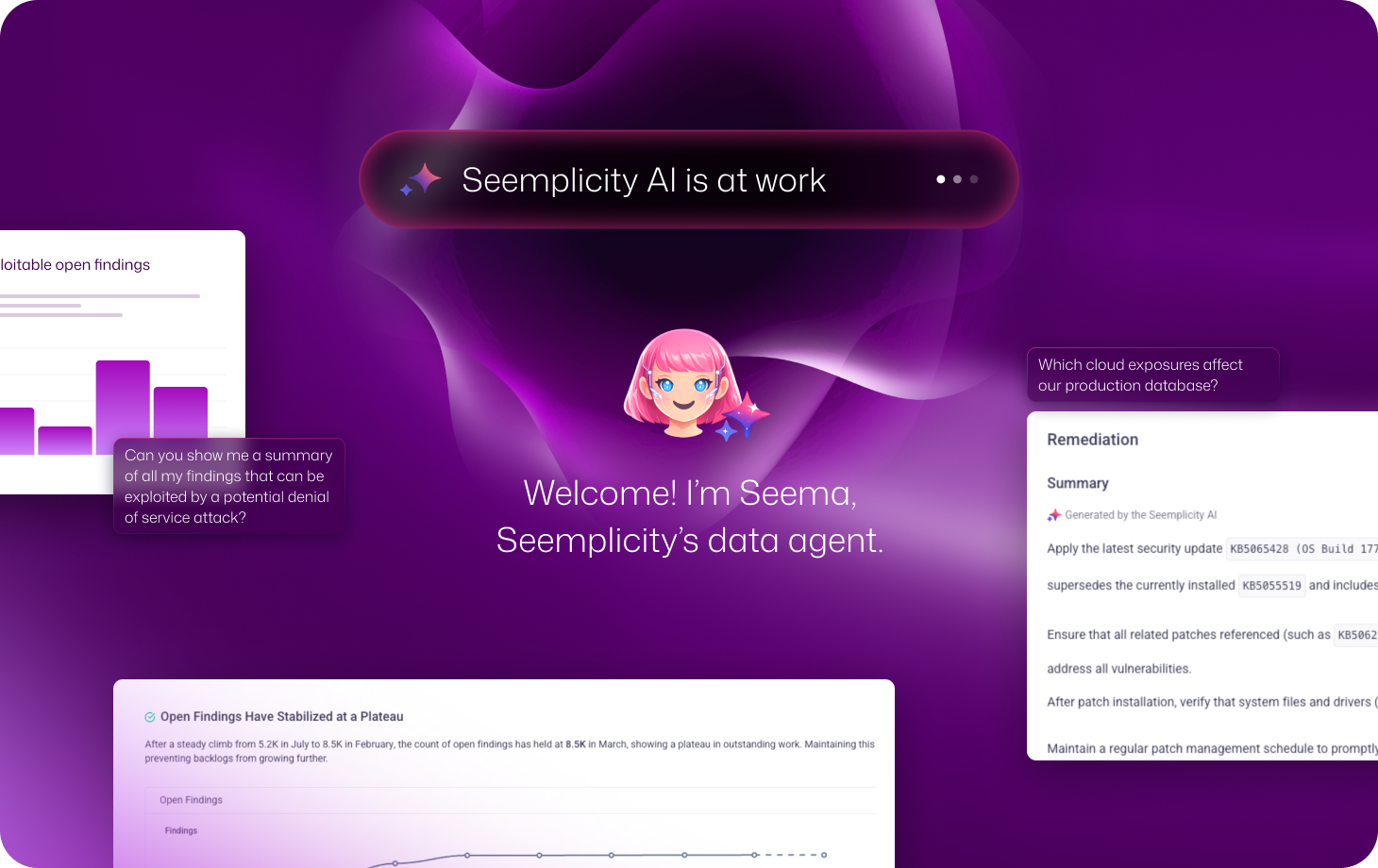
Specialized teams of AI agents aggregate findings, identify the correct “fixer,” and route fix-ready tasks directly into your workflows to turn ownership into action.
Continuous tracking for CTEM lifecycle management
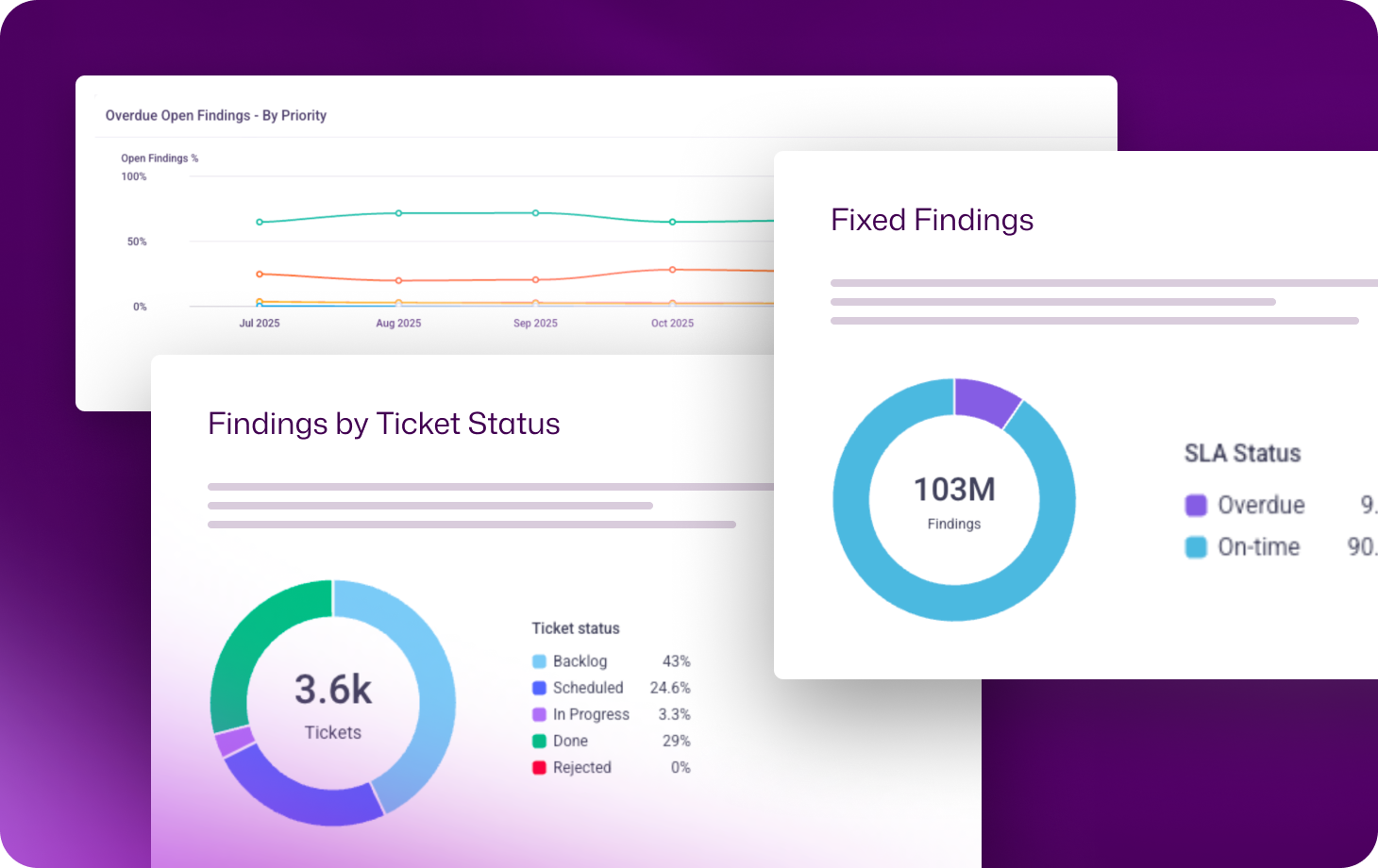
Automatically track remediation progress, SLA compliance, and GRC initiatives in real-time to ensure no exposure falls through the cracks.
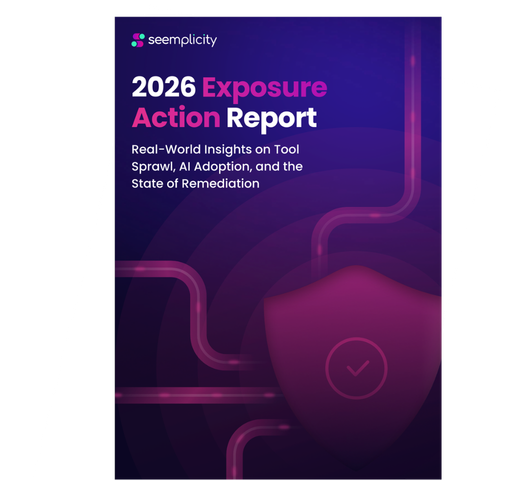
/research Report
2026 Exposure Action Report
Real exposure management insights based on 2025 customer data. Learn how teams scale remediation, reduce backlogs, and drive measurable risk reduction.
Frequently asked questions
Exposure Management is a proactive cybersecurity discipline focused on continuously identifying, prioritizing, and remediating the vulnerabilities, misconfigurations, and other weaknesses across an organization’s digital environment that adversaries could exploit. Unlike point-in-time assessments, Exposure Management operates as an ongoing process, giving security teams a persistent, up-to-date understanding of their risk posture.
The practice encompasses a broad range of assets – including cloud infrastructure, on-premises systems, identities, code repositories, and third-party integrations – and evaluates exposures not in isolation, but in the context of real-world threat intelligence and business criticality. The goal is to ensure that remediation effort is directed where it will have the greatest impact on reducing actual risk.
Exposure Management typically follows a continuous lifecycle: discover, assess, prioritize, remediate, and validate. Discovery involves building a comprehensive inventory of all assets and attack surfaces. Assessment layers on vulnerability data, threat intelligence, and contextual factors such as asset criticality and exploitability. Prioritization then distills findings into an actionable list, ensuring teams address the most consequential exposures first rather than working through a flat vulnerability queue.
Remediation workflows are coordinated across teams – security, IT operations, DevOps, and others – with clear ownership and tracking. Validation confirms that fixes have been applied effectively and that the attack surface has genuinely narrowed. Because the threat landscape and the asset environment both change continuously, the cycle repeats rather than concluding, making Exposure Management an inherently dynamic program.
Vulnerability management traditionally focuses on identifying and patching known software vulnerabilities – CVEs – across a defined set of systems. While foundational, this scope is increasingly insufficient given the complexity of modern attack surfaces, which extend well beyond patchable software flaws to include misconfigurations, identity risks, excessive permissions, supply chain exposures, and more.
Exposure Management is a broader, more strategic evolution of that practice. It incorporates vulnerability data as one input among many, and overlays threat context, asset relationships, and business impact to produce a risk-prioritized view of what an attacker could realistically exploit. The shift from vulnerability management to Exposure Management represents a move from reactive, compliance-driven patching toward continuous, risk-informed security operations.
The volume of vulnerabilities disclosed annually far exceeds any organization’s capacity to remediate them all. At the same time, adversaries are increasingly leveraging AI to accelerate reconnaissance, identify exploitable exposures, and automate attack execution, compressing the window between disclosure and exploitation. Without a structured approach to prioritization, security teams risk spending limited resources on low-impact findings while critical exposures are acted on by attackers first.
Beyond efficiency, Exposure Management is strategically important because it aligns security outcomes with business risk. By contextualizing exposures against real threat intelligence and the value of affected assets, organizations can communicate risk in terms that resonate with executive stakeholders and boards. This visibility supports better investment decisions, more accurate risk reporting, and a demonstrably stronger security posture over time.
Continuous Threat Exposure Management (CTEM) is an industry framework, introduced by Gartner, that formalizes Exposure Management into a structured, five-stage program: scoping, discovery, prioritization, validation, and mobilization. CTEM provides organizations with a repeatable methodology for operationalizing Exposure Management at scale, and has become a widely adopted reference model for building or maturing such programs.
In practice, CTEM and Exposure Management are closely aligned concepts; CTEM can be understood as the programmatic expression of Exposure Management principles. Organizations adopting a CTEM approach are, in effect, implementing a mature form of Exposure Management; one that is continuous, cross-functional, and anchored in realistic threat scenarios rather than theoretical vulnerability counts.
A comprehensive Exposure Management program addresses a wide spectrum of risk beyond traditional software vulnerabilities. This includes cloud misconfigurations, identity and access management weaknesses, excessive privileges, unmanaged or shadow assets, exposed sensitive data, insecure code dependencies, and gaps in network segmentation. Any condition that an adversary could leverage to gain access, escalate privileges, or move laterally within an environment falls within scope.
The breadth of coverage is precisely what distinguishes mature Exposure Management from narrower vulnerability scanning practices. As attack surfaces expand through cloud adoption, remote work infrastructure, and third-party integrations, maintaining visibility across all exposure types becomes increasingly critical. This is compounded by the growing use of AI-assisted attack tooling, which enables threat actors to probe large, complex attack surfaces at a scale and speed that manual or periodic security assessments cannot match.
Effective prioritization requires moving beyond severity scores such as CVSS in isolation. While base severity provides a useful starting point, it does not account for whether a vulnerability is actively being exploited in the wild, whether the affected asset is externally reachable, or how critical that asset is to business operations. Risk-based prioritization incorporates all of these dimensions – threat intelligence, exploitability, asset context, and business impact – to produce a ranked remediation agenda that reflects actual organizational risk.
Organizations should also consider the concept of attack path analysis: understanding how individual exposures chain together to enable a material breach. A single low-severity misconfiguration may become high priority if it sits on a path leading to a crown-jewel asset. Operationally, prioritization decisions should be documented and communicated clearly to remediation owners, with service-level expectations and tracking mechanisms in place to ensure accountability and measurable progress.



Say Goodbye to
Backlog of vulnerabilities
Misconfigurations
Scattered findings across tools