

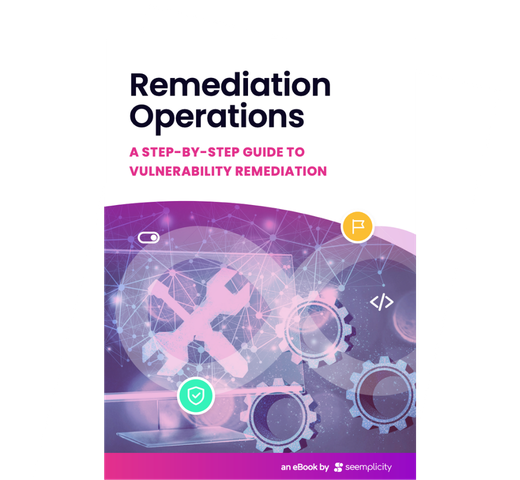
Step-by-step guide to vulnerability remediation
In the ongoing battle against cyber incidents, many organizations have resorted to conducting multiple risk reduction programs simultaneously across their attack surface—with each often requiring their own domain-specific
teams and tools to scan, discover, identify, and remediate security findings.
With overlapping capabilities, multiple tools inevitably create redundant reports of risks, contributing to the overall noise in the process. Security teams are then tasked with making sense of separate formats, scoring systems, noisy scanners, and complicated remediation workflows before they can accurately assess and remediate risk to the organization.
Thankfully, there are tried-and-trusted methods for remediating vulnerabilities across multiple domains and at scale. While most methods involve significant manual processes, one emerging category seeks to automate as much as possible. Remediation Operations is the collection and automation of cybersecurity business processes that minimize risk by mobilizing the right teams with the data and context they need to eliminate, reduce, or accept risk findings.
This guide will present the basics of Remediation Operations which, when executed well, allows you to accelerate risk reduction, maximize security team productivity, and ensure confidence and compliance. Whether you are an IT professional, a business owner, or a SOC manager, applying the following principles will help your organization streamline the vulnerability management process.