


/ Streamlining Large-Scale Security: From Tool Sprawl to Root Cause Remediation
In large-scale security environments, the primary challenge is often execution rather than a lack of detection. When multiple security tools report the same missing patch on a single machine, it creates hundreds of redundant findings that inflate backlogs and cause ticket-based workflows to break down. By aggregating these overlapping alerts into a single remediation action centered on the root cause, organizations can align their work with actual outcomes. This approach reduces operational friction and simplifies the path to resolution without sacrificing visibility, allowing teams to resolve all associated findings at once by installing the required patch.
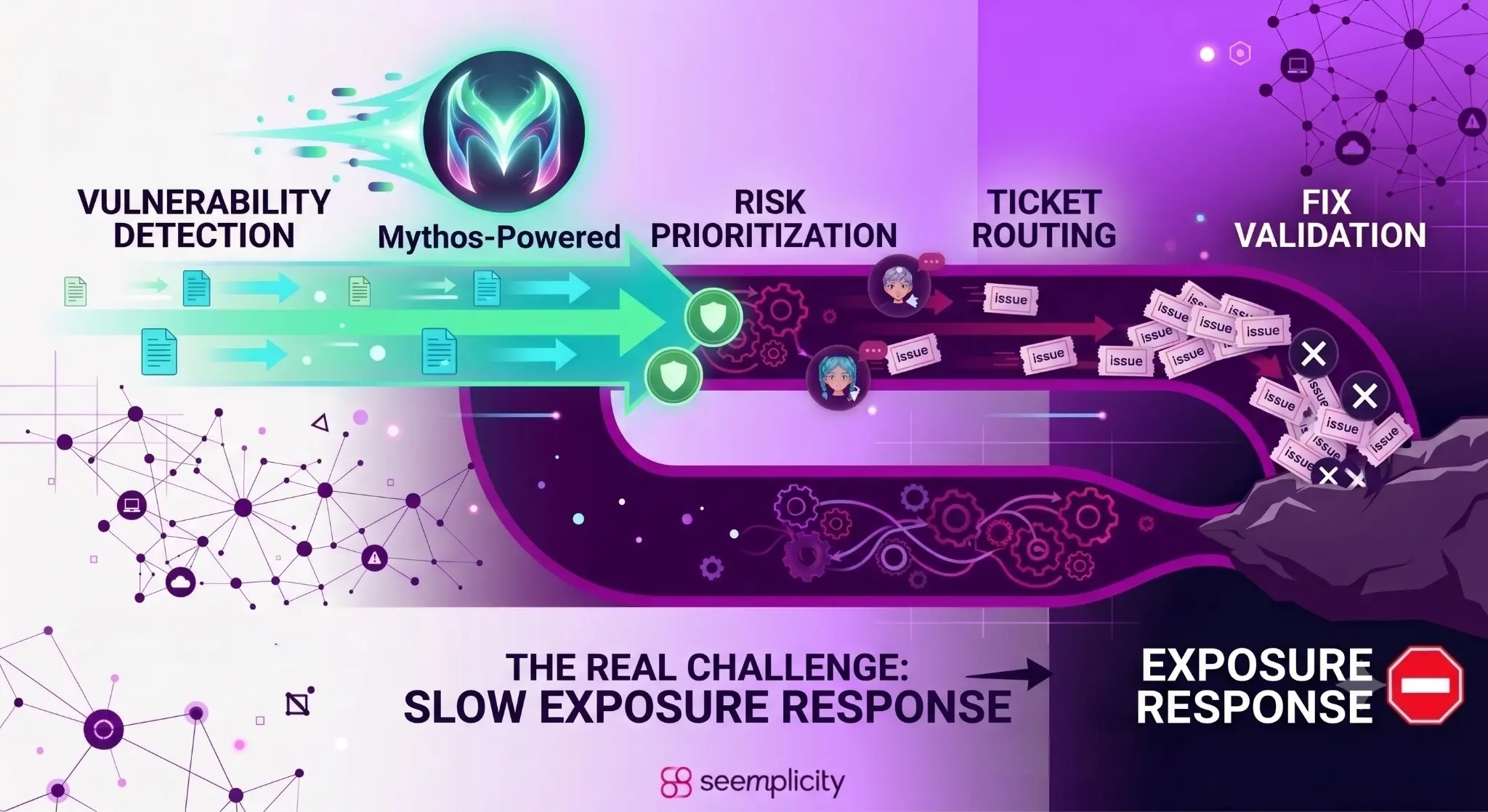
As exposure management programs scale, a lack of detection usually isn’t the issue. Most enterprise security environments generate more than enough findings, the real challenge is execution.
A common challenge appears in patching workflows. When a single machine is missing updates, multiple security tools often report the issue independently. Each finding is valid, but operationally redundant. Over time, this inflates backlogs without changing the amount of work that needs to be done.
This use case demonstrates a core principle of effective exposure management. When security meets reality, reducing risk depends on gearing remediation around outcomes, not alerts.
The demo video below shows how hundreds of patch-related findings are consolidated into a single, clear remediation action.
Redundancy Is an Execution Problem
Endpoint, cloud, and vulnerability tools assess the same machines from different perspectives. When a patch is missing, the same issue may surface hundreds of times across tools. While visibility increases, clarity often decreases.
The problem isn’t knowing what to fix, it’s turning overlapping findings into coordinated remediation. Ticket-by-ticket workflows break down when volume grows, even when the fix itself is straightforward.
Aggregation Aligns Work with Reality
When multiple findings reference the same patch on the same resource, they represent a single remediation outcome.
By consolidating these findings into one issue, remediation is organized around execution rather than alert volume. Installing the required patches resolves all associated findings at once. Context from each tool remains available, but the work is focused on the root cause.
This approach reduces operational friction without sacrificing visibility.
Why This Matters at Scale
This example demonstrates a core principle of exposure management at scale: meaningful progress comes from aligning remediation with outcomes, not alert volume. Aggregating patch findings into a single fix reduces friction and makes execution possible.
For a deeper look at how this principle applies across remediation workflows, The Ultimate Guide to Scalable Remediation Plans explains how organizations design remediation strategies that scale with growing exposure.

Stay updated on Seemplicity blog
Subscribe today to stay informed and get regular updates from Seemplicity.