
/ Redefining WTF: Scaling Security Operations to Machine Speed
The cybersecurity industry is currently defined by “WTF” moments of panic, from overwhelming vulnerability backlogs to sophisticated AI-driven attacks that bypass traditional defenses. To combat this, organizations must shift their narrative away from reactive frustration and toward the most critical part of exposure management: The Fix. By redefining WTF, security teams can move beyond context-less alerts and manual spreadsheets. This transition allows for clear remediation paths, risk prioritization based on real organizational impact, and the use of automated routing to deliver actionable tasks directly to the correct owners. Ultimately, fighting AI-powered adversaries requires applying AI directly to these workflows, enabling organizations to operate at machine speed and close the window of opportunity for attackers.
Let’s be honest with ourselves for just a minute. If you work in cybersecurity, you are intimately familiar with “WTF” moments. But before you think I’m just some tacky, expletive-slinging marketing guy, let’s break it down a bit.
Critical zero-day vulnerability drops on a Friday afternoon (or really, any day). You look at a backlog of 100,000 unpatched vulnerabilities. And lately, sophisticated and scalable AI-driven cyber attacks are the norm, generating a mountain of new findings and discoveries, and bypassing whatever defenses you have in place with persistence.
Our world of cybersecurity is defined by these WTF moments. The chaos, the alert fatigue, the sheer overwhelming scale of exposure management findings. It’s a thankless job with a massive microscope.
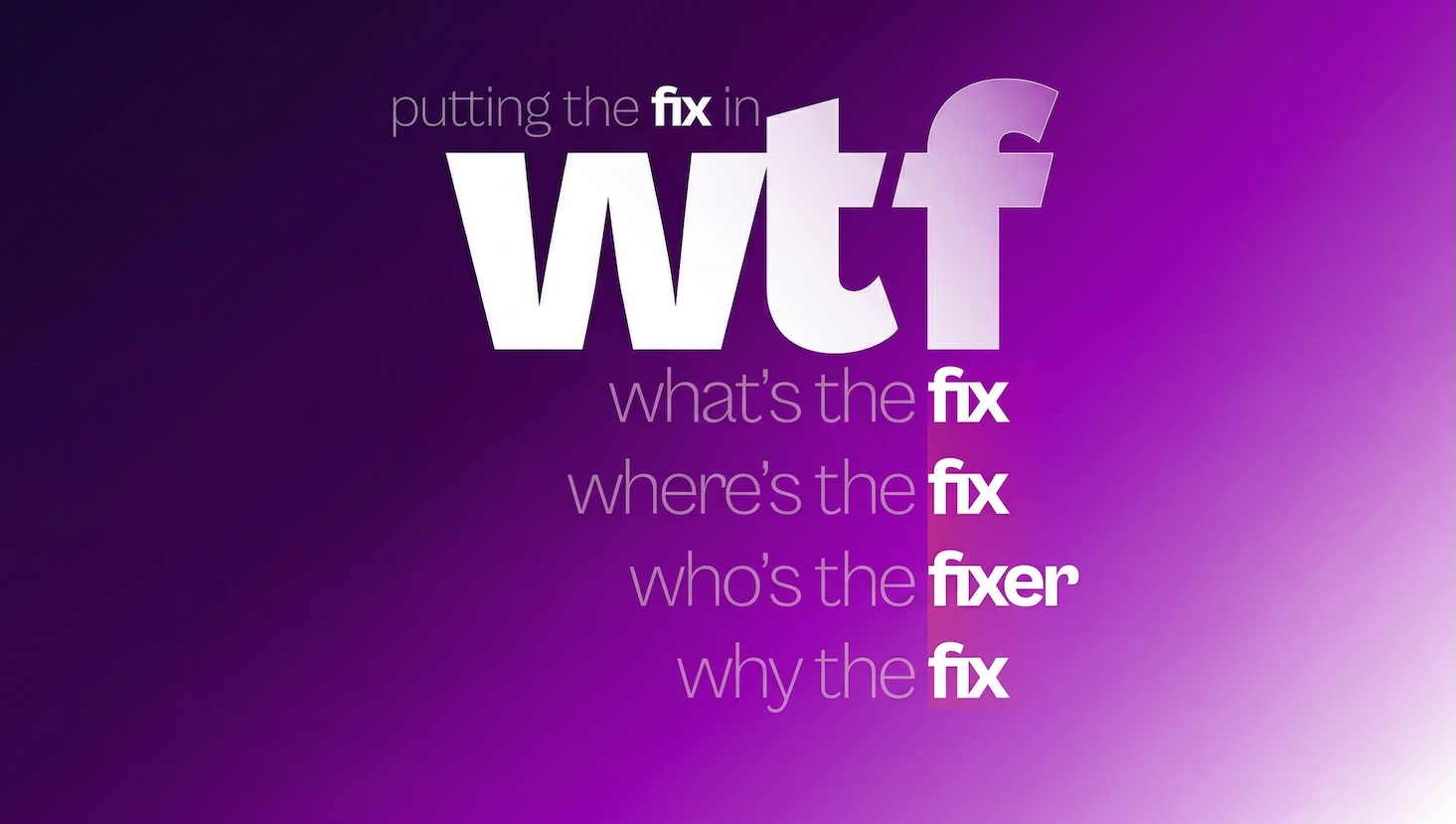
But it’s time to redefine the WTF narrative. We launched the WTF campaign to shift the thematic from the “reactive” slang exclamation of panic or frustration, and toward the most important part of cybersecurity exposure management: The Fix.
Here are some examples of what WTF means to us, our customers and the the future of cybersecurity:
What’s the Fix?
Clear, reliable solutions for remediation. We spend too much time focusing on the findings and discoveries. Exposure management is rooted in findings. But security teams are drowning in context-less alerts without a clear path forward. “What’s the fix” is about cutting through the noise and instantly identifying the clear, reliable, and actionable steps required to remediate a vulnerability. It’s about moving from detection to resolution without the guesswork.
Why the Fix?
Risk prioritization based on real organizational impact. Not every vulnerability is a five-alarm fire, even if a scanner says it is. “Why the fix” is about context. It’s about prioritizing risk based on the real, tangible impact it has on your specific organization. By understanding the “why,” teams can focus their limited time and resources on the fixes that actually move the needle on security.
Who’s the Fixer?
Using automated routing of action to correct owners. The biggest bottleneck in exposure management isn’t finding the flaws; it’s getting the right information to the right person who can actually do something about it. “Who’s the fixer” is about using automated routing to instantly deliver the exact action needed directly to the correct owner’s workflow, eliminating the endless back-and-forth, or no action at all.
Where’s the Fix?
Tracking and measuring risk reduction status. Finding the vulnerability is only step one. Are the patches actually being applied? Is the risk actually trending downward? “Where’s the fix” focuses on deep visibility into the remediation lifecycle. It means having real-time tracking and measurement of your risk reduction status, so you always know exactly where you stand.
Fighting AI with AI
We can’t talk about WTF moments without talking about AI. Cyber adversaries are actively leveraging AI to automate attacks, write polymorphic malware, and scale their operations at unprecedented speeds. This AI-driven threat landscape is exactly what is exacerbating our industry’s WTF moments.
It’s impossible to fight an AI-powered adversary with the way we’ve been doing things: manual spreadsheets, endless Jira tickets, and fragmented communication. We must fight fire with fire by applying AI directly to our exposure management workflows. Automating the What, Where, Who, and Why of the fix enables today’s organizations to operate at machine speed, closing the window of opportunity for attackers before they can exploit it.
Let’s turn our moments of panic into moments of action. Welcome to the new WTF, where we’re putting “the fix” in WTF.

Stay updated on Seemplicity blog
Subscribe today to stay informed and get regular updates from Seemplicity.