
/ How Automation and AI are Transforming Cyber Risk Assessments
To keep pace with dynamic modern threats, organizations must abandon static, manual cybersecurity risk assessments in favor of continuous, real-time exposure management. Traditional methods rely on siloed tools and periodic snapshots that leave dangerous visibility gaps in rapidly changing environments. By leveraging automation, deep tool integration, and AI, security teams can continuously aggregate data, enrich vulnerabilities with vital business context, and automatically route prioritized remediation tasks to the correct owners. Ultimately, this connected approach transforms risk assessment from an outdated, reactive chore into a proactive, living system that swiftly identifies and neutralizes high-impact cyber risks.
The problem with cybersecurity risk today? It won’t sit still.
Modern risk is messy. It spreads across cloud workloads, third-party services, shadow assets, and developer pipelines. It evolves faster than most teams can keep up. And it rarely announces itself with a neat dashboard alert.
Yet many organizations still rely on the old playbook: manual risk assessments, stitched together from siloed tools, delivered days or weeks after they’re already outdated. It’s like using a Polaroid in a world of live video.
To stay ahead, security teams don’t just need to assess risk – they need to track it in motion. That means faster cycles, smarter prioritization, and enough context to separate signal from noise. The only way to do that at scale? Automation, integration and – yes – AI. Not as buzzwords, but as the foundation of a modern approach.
What Is a Cybersecurity Risk Assessment Today?
At its core, a cybersecurity risk assessment is about answering two questions: What could go wrong? And how much would it hurt if it did?
It’s the process of evaluating how likely a risk is to materialize, and what the business impact would be if it did. That means taking stock of your assets, identifying potential vulnerabilities, mapping threat scenarios, and layering in business context to understand what’s truly at stake.
In theory, that’s straightforward. In practice, it’s fragmented. One team manages asset inventory. Another pulls vulnerability data. Threat modeling might live in a spreadsheet. Business impact? That’s often a guessing game.
Even more problematic: most organizations treat this process as a periodic chore. Once a quarter, maybe once a year, someone runs the playbook, compiles the findings, and declares a risk posture. But by the time it’s documented, it’s already outdated.
Today’s environments demand something else entirely. Risk assessment can’t be a snapshot; it has to be a live feed. The infrastructure is dynamic. The threats are constant. And the cost of delay is too high. Continuous assessment isn’t a nice-to-have. It’s the baseline.
Why Manual Risk Assessments Miss the Point
If risk is constantly changing, the tools used to assess it need to be just as dynamic. That’s where traditional, manual approaches start to break down.
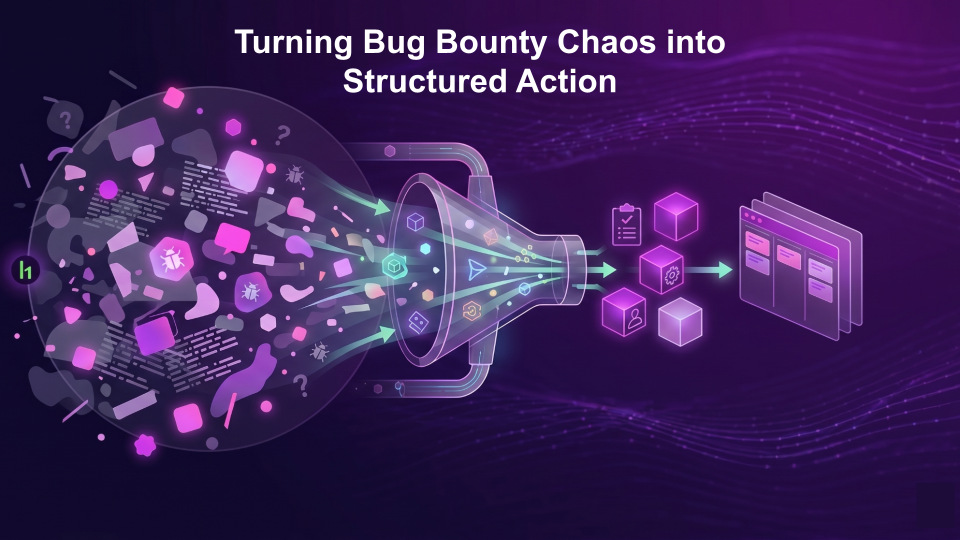
Most assessments today pull data from a mix of scanners, spreadsheets, and ticketing tools, each offering a slice of the picture, but never the whole thing. The result? You get lag. By the time you’ve collected and correlated everything, the environment has shifted. Critical exposures go unnoticed. Dependencies are missed. Findings get duplicated or lost in translation.
And let’s not forget the coverage gaps. Maybe you’ve got strong visibility into your on-prem servers, but cloud assets or third-party SaaS tools are barely accounted for. That’s not a risk assessment – it’s a risk illusion.
Siloed data and manual correlation is not just inefficient. It’s dangerous. Because the exposures you don’t see? They’re the ones most likely to bite.
The Real Engines Behind Faster Risk Assessments
Speed isn’t just about doing things faster; it’s about seeing the full picture sooner, and acting before the risk materializes. That’s where automation and integration come together.
Automation accelerates the grunt work: pulling data from scanners, CMDBs, cloud configurations, threat intel feeds – you name it. It handles the collection, correlation, and cleanup without waiting for an analyst to chase it down or clean up misaligned tags.
But automation alone isn’t enough. You also need integration: tight connections between the tools that hold your data and the systems that give it meaning. Risk data is only useful when it’s enriched with context: Which assets are business-critical? Where are they located? What’s their exposure path?
That’s where AI is increasingly valuable. It can do the stitching at scale, linking misconfigurations to public exposure, resolving ownership, highlighting gaps, and even flagging the kinds of patterns that often get buried in siloed dashboards. Instead of drowning in findings, teams get clarity on where to focus and why.
With automation doing the heavy lifting and integration pulling everything into one coherent narrative, cybersecurity risk assessments stop being static reports. They become living systems – always up to date, always aligned to what matters..
From Assessment to Action: Operationalizing the Output
Collecting data and surfacing insights is only half the equation. The real impact comes when those insights translate into action – quickly, clearly, and at scale.
That means turning assessment results into something operational. Not just a list of risks, but a set of prioritized, assignable tasks. Who owns this issue? What needs to be fixed? How urgent is it? Without that level of clarity, even the best assessments get buried under competing priorities.
This is another area where automation – and AI – makes a significant difference. It can auto-assign issues based on ownership tags, generate contextual remediation guidance, and filter out low-impact noise so teams can zero in on what actually matters. Instead of a backlog of findings, you get a focused plan of attack.
And risk assessment doesn’t stop once the findings are routed. Feedback loops matter. As fixes are made (or ignored), that activity should inform the system, refining prioritization, improving scoping, and tuning risk signals over time. That’s how you evolve from reactive cleanup to proactive risk management.
This is the foundation of exposure management at scale: fast, context-rich assessments feeding directly into action, and improving every time through the loop.
Final Thoughts: Risk Doesn’t Wait – Neither Should Your Assessments
Modern risk doesn’t unfold on a schedule. It emerges from shifting infrastructure, fluid ownership, third-party dependencies, and opportunistic threats that don’t wait for your next quarterly review.
To keep up, cybersecurity risk assessments need to evolve. Not just in speed, but in structure, intelligence, and actionability. Automation and integration aren’t shortcuts. They’re the only viable way to handle the complexity and velocity of today’s environments.
The organizations that embrace continuous, connected assessments gain something powerful: a real-time understanding of where they’re exposed, what matters most, and what to do next. That’s not just faster – it’s smarter.
If you’re rethinking how your organization assesses and acts on risk, check out the Exposure Assessment Platform (EAP) Buyer’s Guide. It’s packed with insights to help you evaluate the tools and capabilities that can take you from static snapshots to living, operationalized risk visibility.

Stay updated on Seemplicity blog
Subscribe today to stay informed and get regular updates from Seemplicity.