


/how do i manage bug bounty data?
Managing a bug bounty program often creates a significant operational burden because the findings tend to be unstructured and noisy compared to automated scans. This blog explains how to bridge the “triage gap” by using Seemplicity to transform free-form bug bounty data into a structured remediation workflow. By implementing a dedicated Triage View and utilizing AI-assisted scoping, security teams can effectively filter high-signal findings, assign clear ownership, and automate ticket creation in Jira or ServiceNow to accelerate risk reduction and maintain operational velocity.
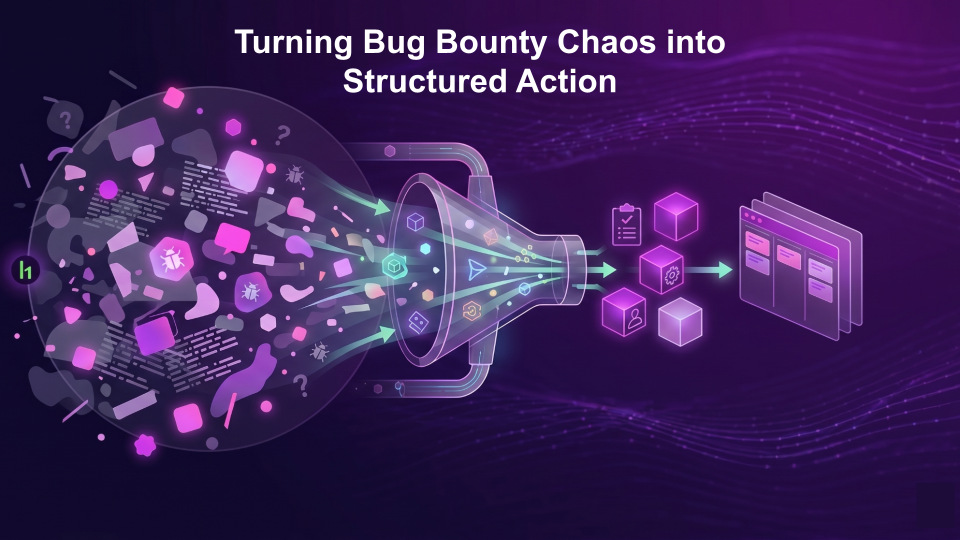
For many security teams, bug bounty programs are a double-edged sword. While they provide important information that automated tools might miss, they also introduce a significant operational burden. Unlike structured data from a vulnerability scanner, bug bounty findings are often free-form, unstructured, and noisy.
The challenge isn’t just finding the bug, it’s moving that finding from a third-party platform like HackerOne into a remediation workflow without slowing down your engineering teams.
The Triage Gap: Why Manual Review Matters
Bug bounty findings are typically triaged within their native platform before being ingested into your broader security ecosystem. Because this data is often text-heavy and lacks the standardized formatting of automated scans, automatically assigning ownership can be difficult.
Seemplicity solves this by allowing security teams to create a dedicated Triage View. This provides a landing zone where teams can review findings, add business context, and then drive accountable action, turning a free-form report into clear, trackable fixes.
Building a Workflow for HackerOne Findings
In the demo above, we walk through how to bridge the gap between a bug bounty platform and your remediation engine:
- Creating the View: Instead of a static report, we create a Seemplicity View. This acts as a dynamic workspace where unstructured findings are gathered together for further refinement before they are fully automated into the platform.
- Filter and Focus: We start by filtering for findings specifically from HackerOne with an original status of “triaged”. This ensures your view only contains high-signal issues ready for internal review.
- AI-Assisted Scoping: Seemplicity’s AI assists in naming and saving these filters, making it easy to build reusable scopes for your automation rules.
From Review to Resolution
Once your findings are organized in a dedicated view, the focus shifts from interpretation to execution. Within the platform, you can:
- Manage the Lifecycle: Change statuses to “viewed,” “exception,” or “resolved,” and adjust SLAs to match the actual risk to your business.
- Drive Accountability: Easily assign findings to the relevant project and owner.
- Seamless Integration: Instantly create tickets in Jira or ServiceNow directly from the finding.
Why This Matters
Exposure management at scale requires more than just visibility; it requires operational velocity. By creating a structured path for unstructured bug bounty data, you eliminate the manual friction that usually stalls remediation.
Instead of chasing emails or spreadsheet rows, your team can use AI-driven context to transform “free-form” chaos into an efficient engine for risk reduction.
Ready to see how Seemplicity can bring structure to your security findings? Request a demo today.

Stay updated on Seemplicity blog
Subscribe today to stay informed and get regular updates from Seemplicity.