


/zafran vs. seemplicity
The Better Zafran Alternative
Don’t stop at control mapping. Drive complete remediation with Seemplicity.
Seemplicity delivers:
Full-lifecycle operational remediation, extending far beyond simple control visibility windows.
Fixes built right into your team’s daily developer tools, not isolated on a security dashboard.
Automated validation confirming threat resolution across cloud, code, and infrastructure.
Trusted by Security Teams at Leading Enterprises








Seemplicity fills gaps that Zafran Security doesn’t address.
Capability
Conversational AI Assitant
Compensating Control Validation
No-Code Workflow Orchestration
Step-by-Step Remediation Guidance
Automatic Remediation Validation
End-to-End Operational Audit Trail
Zafran


Why Security Teams Choose Seemplicity over Zafran

Enterprise Scalability Across Your Entire Ecosystem
Zafran focuses heavily on endpoint security and manual configuration, while Seemplicity provides a no-code platform that builds seamless, automated fixing workflows across Code, Cloud, Infrastructure, and Identity teams simultaneously without operational friction.

95% Less Backlog Noise for Engineering Teams
While standard risk tools overwhelm developers with raw flaw counts, Seemplicity combines reachability intelligence with automated operational routing. This slashes engineering backlog noise by 95%, ensuring developers only receive tickets for validated, actionable threats.

Complete Operational Execution vs. Passive Control Mapping
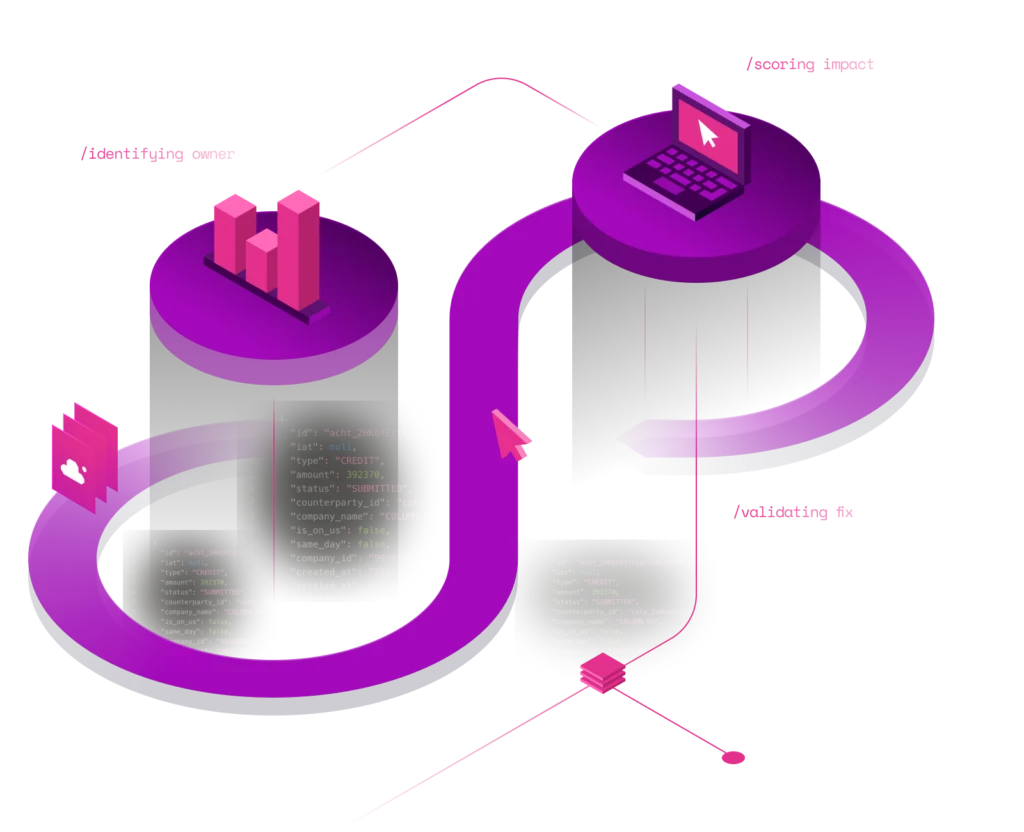
Zafran identifies whether an open threat might be temporarily mitigated by an existing security policy. Seemplicity takes the next step: mapping the exact operational journey from exposure discovery to developer ticket resolution, providing clear proof of root-cause remediation.

Clear, Measurable Risk Reduction
Rather than simply indexing exposures, Seemplicity tracks real-time MTTR and automates continuous scan verification, saving enterprise teams an average of 33,000 hours a year in manual tracking and cross-department coordination.
Frequently asked questions
The main difference is that Zafran Security primarily identifies whether a vulnerability is covered by existing security controls, whereas Seemplicity is an Exposure Action Platform that automates the entire remediation lifecycle. While Zafran tracks mitigation status on passive screens, Seemplicity embeds control context directly into daily developer ticketing workflows, automates routing across all IT domains, and validates that the risk is completely resolved.
Seemplicity provides a unified, side-by-side view of asset posture across multiple security vendors simultaneously. For example, teams can view and validate asset status across both CrowdStrike EDR and Microsoft Defender EDR within a single pane. This multi-vendor context allows organizations to maintain security hygiene and reduce threats without forcing engineers to toggle between disconnected vendor dashboards.
Traditional tools often provide engineering teams with a binary “covered” or “not covered” control status, which still requires manual verification by developers before they feel safe ignoring a patch. Seemplicity replaces opaque checkmarks with a transparent, expandable logic trail. It maps the full technical relationship from the CVE to the CWE, CAPEC, active security policies, and the final remediation outcome. This gives infrastructure and development teams the exact technical proof they need to prioritize and deploy fixes confidently.
Yes. While many platforms focus heavily on the endpoint, Seemplicity is built for comprehensive Security Controls Awareness across your entire infrastructure. The architecture scales past EDR environments into WAFs, network firewalls, runtime application protections, and identity platforms, providing a single system of action for the whole security organization.
Seemplicity verifies risk resolution by using a bidirectional sync with your existing security scanners. Once a fix is deployed or routed, the platform automatically validates the resolution via subsequent automated scans to prove the risk is truly eliminated. This closed-loop process prevents tickets from simply being marked as done in a project management tool without actual technical validation.