
/ sans on Seemplicity Transforming Vulnerability Management
According to a SANS Institute product review by Dave Shackleford, traditional vulnerability management frequently stalls; recent data shows 91% of organizations face remediation delays and 41% struggle to make findings actionable. Seemplicity solves this execution challenge by integrating directly with major detection tools (such as Wiz, Snyk, Qualys, and CrowdStrike) and IT ticketing systems (Jira, ServiceNow) to enforce SLAs and automate routing. During the SANS evaluation, Seemplicity demonstrated a 70% reduction in alert noise, automatically consolidating 16,000 raw findings into 4,300 actionable tasks and isolating just 47 critical P0 vulnerabilities. By providing end-to-end visibility and custom prioritization, Seemplicity shifts enterprise focus from merely aggregating security data to executing scalable risk reduction.
Despite ongoing investment in detection tools, vulnerability management continues to underdeliver. Security teams don’t lack data. They lack the systems to act on it.
According to our latest research, 91% of organizations report delays in remediation, and 41% say they struggle to make findings actionable. The result is a persistent backlog of exploitable vulnerabilities, compounded by manual workflows and poor coordination between teams.
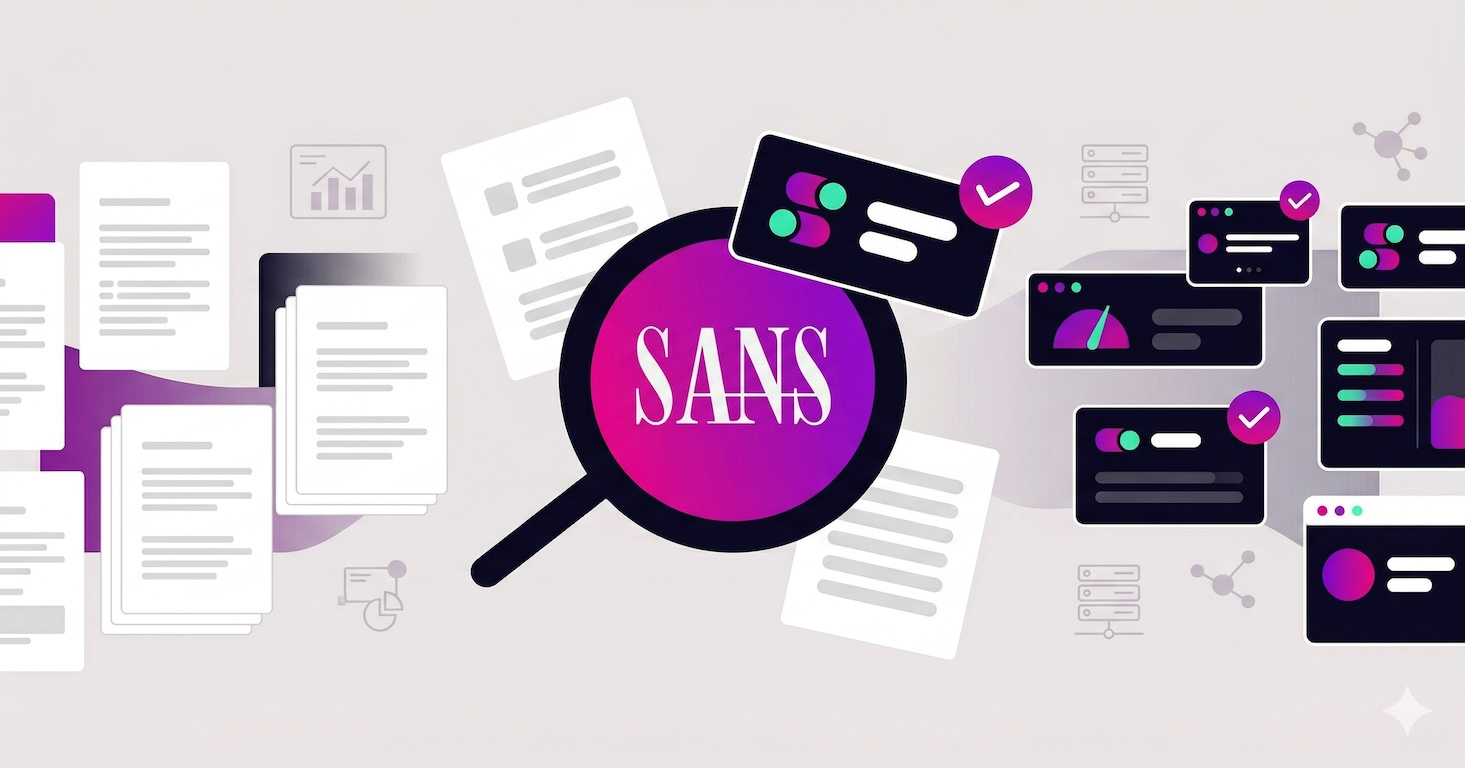
This is exactly the challenge outlined in the SANS Product Review of the Seemplicity Platform, written by Dave Shackleford. The review provides an in-depth walkthrough of the Platform and explores how Seemplicity helps security, IT, and DevOps teams work as one unit to reduce risk faster.
Why Vulnerability Management Stalls
In most organizations, the problem isn’t visibility. It’s execution. Security teams are overloaded with duplicative, low-priority findings across scanners and other detection tools, and struggle to route the right work to the right teams. Traditional ticketing systems weren’t built for coordinated remediation, and attempts to manage the backlog manually only widen the gap between detection and resolution.
That gap is where attackers operate. And it’s where Seemplicity delivers the most value.
What SANS Saw in Seemplicity
In the hands-on evaluation, SANS used real-world integrations with tools like Wiz, Snyk, Qualys, and CrowdStrike. The Seemplicity Platform’s strengths were clear across five key areas:
- Consolidation and Triage: During the evaluation, Seemplicity reduced nearly 16,000 raw findings into 4,300 actual findings, cutting noise by more than 70%. Only 47 were deemed P0 (the highest criticality level assigned in Seemplicity), illustrating how the platform automates prioritization based on exploitability and business context.
- Cross-functional Execution: The Seemplicity Platform automatically routes findings to the right teams using predefined scopes, integrated SLAs, and bidirectional ticketing with tools like Jira and ServiceNow. Workflows are aligned across teams without duplicating effort or losing accountability.
- Custom Policies and Prioritization: Organizations can define rules based on factors like internet exposure, vulnerability intelligence, asset criticality, or compliance obligations. SLA policies are tied directly to those rules to ensure the right issues are addressed in the right timeframe.
- End-to-end Visibility: Dashboards track SLA performance, backlog size, remediation velocity, and team-level progress. This gives security leaders a clear view of what’s getting done, what’s behind, and where bottlenecks exist.
- Automation at Scale: From deduplication to ticket creation, routing, escalation, and exception workflows, Seemplicity automates the tasks that traditionally slow down remediation teams.
More detail and screenshots from the evaluation are available in the full SANS review.
Turning Findings into Outcomes
The SANS review validates what we see across the market. Security teams don’t need another place to view vulnerabilities. They need a better way to fix them.
Automation, context, and cross-functional workflows are no longer nice-to-haves. They’re essential for reducing risk at scale. And while 99% of organizations without a centralized remediation platform say they want one, most are still piecing together siloed tools and relying on manual processes.
Seemplicity replaces that patchwork with one unified workflow, built for remediation from the ground up.

Stay updated on Seemplicity blog
Subscribe today to stay informed and get regular updates from Seemplicity.