

/what is an application security assessment?
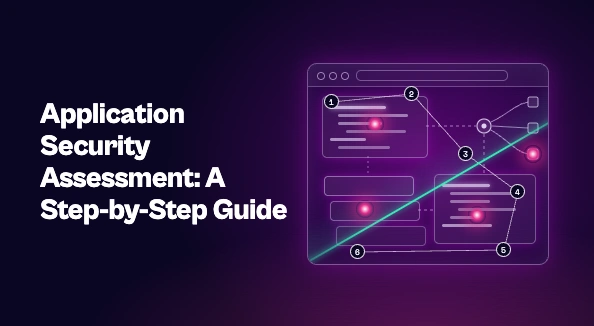
An application security assessment evaluates an application’s code, dependencies, architecture, and runtime behavior to find exploitable weaknesses and decide what to fix first. To conduct one, define the scope, map the attack surface, model likely threats, test with SAST, DAST, SCA, and penetration testing, prioritize findings by exploitability and business impact, then assign fixes to clear owners. Repeat regularly, since applications change with every release.
Modern applications are built fast, ship constantly, and lean heavily on open-source code, APIs, and cloud services. Every one of those choices adds risk, and most of it is invisible until someone goes looking for it.
An application security assessment is how you go looking. Done well, it tells you where your applications are exposed, which weaknesses actually matter, and what to fix first. This guide covers what an assessment involves, how to run one step by step, and the mistakes that stop assessments from turning into real risk reduction.
What Is an Application Security Assessment?
An application security assessment is a structured evaluation of an application’s security posture. It examines the code, open-source dependencies, architecture, data flows, and runtime behavior to identify weaknesses an attacker could exploit, then weighs those weaknesses against business context to decide what needs fixing.
It’s often confused with application security testing, but the two aren’t the same. Testing (SAST, DAST, SCA, penetration testing) generates findings. An assessment uses those findings as inputs and adds the parts testing leaves out: risk analysis, prioritization, ownership, and a plan for remediation.
Assessments aren’t limited to pre-release checks either. They can run at any stage of the software development lifecycle, from design reviews before a line of code is written to periodic reviews of applications already in production.
Why Application Security Assessments Matter
Applications are one of the most common entry points for attackers. Exposed APIs, vulnerable open-source packages, broken authentication, and cloud misconfigurations give them plenty to work with, and the attack surface grows with every release.
A regular assessment helps you:
- Find weaknesses before attackers do. Issues caught in an assessment cost far less to fix than issues discovered through an incident.
- Focus limited resources. Security and engineering teams can’t fix everything. An assessment shows which risks deserve attention now.
- Meet compliance requirements. Frameworks like PCI DSS, SOC 2, and ISO 27001 expect evidence that applications are reviewed for security risk.
- Give leadership a clear picture. A documented assessment turns a vague sense of AppSec risk into something measurable and defensible.
How to Conduct an Application Security Assessment
Every organization tailors the process to its applications and risk tolerance, but most effective assessments follow the same six steps.
1. Define the Scope
Decide which applications, components, environments, and data flows are in scope. Start with the applications that handle sensitive data or support critical business functions. A tight, well-defined scope produces more useful results than a broad, shallow one.
2. Map the Attack Surface
Document every way into the application: user-facing interfaces, APIs, authentication flows, third-party integrations, and open-source dependencies. You can’t assess what you haven’t mapped, and forgotten endpoints are a common source of exposure.
3. Model the Threats
Identify who is likely to target the application and how. A customer-facing payments app faces different threats than an internal HR tool. Threat modeling keeps the assessment focused on realistic attack scenarios rather than theoretical ones.
4. Test the Application
Combine automated and manual methods for full coverage:
- SAST scans source code for insecure patterns and hardcoded secrets.
- DAST tests the running application from the outside, the way an attacker would.
- SCA flags vulnerable or outdated open-source components.
- Penetration testing uncovers business logic flaws and chained attacks that scanners miss.
5. Prioritize the Findings
Testing will produce more findings than any team can address at once. Rank them by exploitability, asset criticality, and business impact, not by severity score alone. A medium-severity flaw in an internet-facing app holding customer data often matters more than a critical one in an isolated internal tool.
6. Build a Remediation Plan
Turn prioritized findings into action. Assign each fix to a clear owner, set realistic timelines, and give developers the context they need to resolve issues quickly. Then schedule the next assessment, because the application will keep changing.
Common Pitfalls to Avoid
Most assessments don’t fail in testing. They fail in what happens afterward.
- Treating it as a one-off audit. Applications change with every release. An annual assessment is outdated within weeks, so build assessment into an ongoing cycle.
- Drowning in duplicate findings. Overlapping SAST, DAST, and SCA tools often flag the same issue several times. Without deduplication, teams waste hours triaging noise.
- Prioritizing by CVSS alone. Severity scores ignore context like exploitability and business impact, so teams end up fixing the wrong things first.
- Handing off findings without ownership. A list of vulnerabilities dropped on a development team with no clear owner or fix guidance tends to sit untouched.
Where Seemplicity Fits In
An application security assessment is only as valuable as the fixes it produces. Seemplicity closes the gap between findings and remediation.
Seemplicity pulls findings from your SAST, DAST, SCA, and other security tools into one place, then deduplicates them so each issue appears once. Findings are prioritized using real-world context like exploitability, reachability, and asset criticality, so teams focus on the risks that matter.
Seemplicity’s AI Analysts, including the Code Analyst and SCA Analyst, triage findings automatically, cutting the manual work that slows assessments down. Each fix is then routed to the right owner with the context they need to resolve it, so assessment results turn into measurable risk reduction rather than another backlog.
From Findings to Fixes
A strong application security assessment follows a clear cycle: define the scope, map the attack surface, model threats, test, prioritize, and remediate. Then do it again as the application evolves.
The real value isn’t in the report. It’s in what gets fixed. Teams that pair rigorous assessments with fast, well-routed remediation are the ones that actually shrink their application risk over time.

Stay updated on Seemplicity blog
Subscribe today to stay informed and get regular updates from Seemplicity.