

/What is cloud attack surface management reduction?DR
Cloud attack surface management reduction is the ongoing process of discovering every internet-facing and internal cloud asset, prioritizing the exposures that matter most, and removing or fixing them. It covers things like unused resources, overly permissive identities, misconfigurations, and exposed services. The reduction part only happens when findings get routed to the right owners and remediated, not just reported.
Your cloud attack surface grows every time someone spins up a VM, opens a storage bucket, or creates a new service account. Most teams don’t struggle to find these exposures. They struggle to get rid of them. That’s what cloud attack surface management reduction is about. You find what’s out there, figure out what matters, and then actually make it smaller.
This guide covers how to do that without drowning your team in findings.
What is Cloud Attack Surface Management Reduction?
Cloud attack surface management reduction is the ongoing work of finding every cloud asset you own, spotting the exposures on those assets, and removing or fixing them. It’s not a one-time audit. Cloud environments change hourly, so the process has to keep up.
There are two halves to it. Management is the visibility part, meaning inventory, monitoring, and prioritization. Reduction is the action part, meaning fewer exposed services, fewer risky permissions, and fewer forgotten resources. Plenty of teams nail the first half and stall on the second.
Why the Cloud Attack Surface Keeps Growing
A few things make cloud different from on-prem.
- Anyone can create infrastructure. Developers ship resources through code, and security often finds out after the fact.
- Identity is the new perimeter. Overly permissive roles and stale access keys are some of the easiest ways in.
- Multi-cloud multiplies the problem. AWS, Azure, and GCP each have their own settings, defaults, and tools.
- Old stuff never dies. Test environments, orphaned snapshots, and unused load balancers just sit there, quietly exposed.
The result is a surface that expands faster than any team can review by hand.
Five Levers for Cloud Attack Surface Management
1. Build a real inventory
You can’t shrink what you can’t see. Use your cloud provider’s native tools along with your CSPM, CNAPP, or ASM tooling to get a continuous view of assets across every account and subscription. Tag resources by owner and environment so you know who to call when something’s wrong.
2. Remove what you don’t need
This is the fastest win. Delete unused instances, old snapshots, idle IP addresses, and abandoned test environments. Every resource you remove is one less thing to patch, monitor, and worry about. Disable cloud services and APIs nobody’s using too.
3. Tighten identity and access
Apply least privilege for real, not just on paper. Review roles that have wildcard permissions, rotate or remove long-lived keys, and enforce MFA. Look closely at service accounts and machine identities, since they often have more access than any human.
4. Lock down network exposure
Audit security groups and firewall rules for anything open to the whole internet. Put management ports behind private access. Make storage buckets private by default. Segment workloads so a compromise in one place doesn’t spread everywhere.
5. Drive remediation, not just reporting
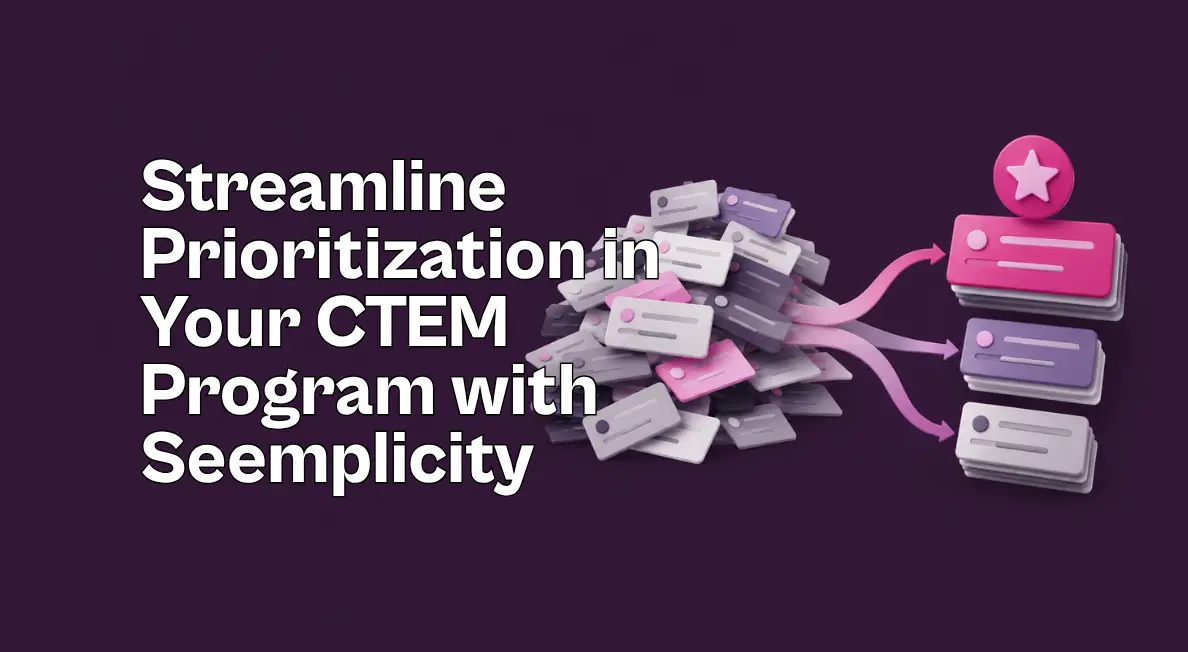
This is where most programs break down. Your scanners will happily generate thousands of cloud findings. The question is whether those findings get to the right engineer, with enough context to fix them, and whether anyone tracks that they actually got fixed.
Good cloud attack surface management reduction treats remediation as its own workflow. That means deduplicating findings across tools, grouping related issues, routing them to the real owner, and following up until they’re closed.
Where Cloud Attack Surface Programs Stall
The gap usually isn’t detection. It’s the handoff between security and engineering. Security sees a list of misconfigurations. Engineering sees a ticket with no context, no owner match, and no clear priority. Things sit. SLAs slip. The surface doesn’t shrink.
Fixing that handoff often does more for reduction than adding another scanner.
How Seemplicity Helps
Seemplicity is an agentic exposure action platform. It doesn’t replace your cloud security or discovery tools. It pulls in findings from them, cuts the noise, figures out who owns each fix, and pushes the work into the tools your engineers already use. Then it tracks remediation through to closure. If your cloud findings are piling up faster than they’re getting fixed, that’s the problem Seemplicity is built to solve.
Want to see what that looks like for your cloud environment? Take a look at Seemplicity.

Stay updated on Seemplicity blog
Subscribe today to stay informed and get regular updates from Seemplicity.