
/ How to Reduce SCA Ticket Sprawl: Aggregating CVEs for Faster Remediation
SCA tools often generate multiple CVEs for the same dependency, creating unnecessary tickets and slowing remediation. Aggregating those findings into a single fix helps AppSec teams reduce ticket sprawl and align security work with how developers actually resolve vulnerabilities.
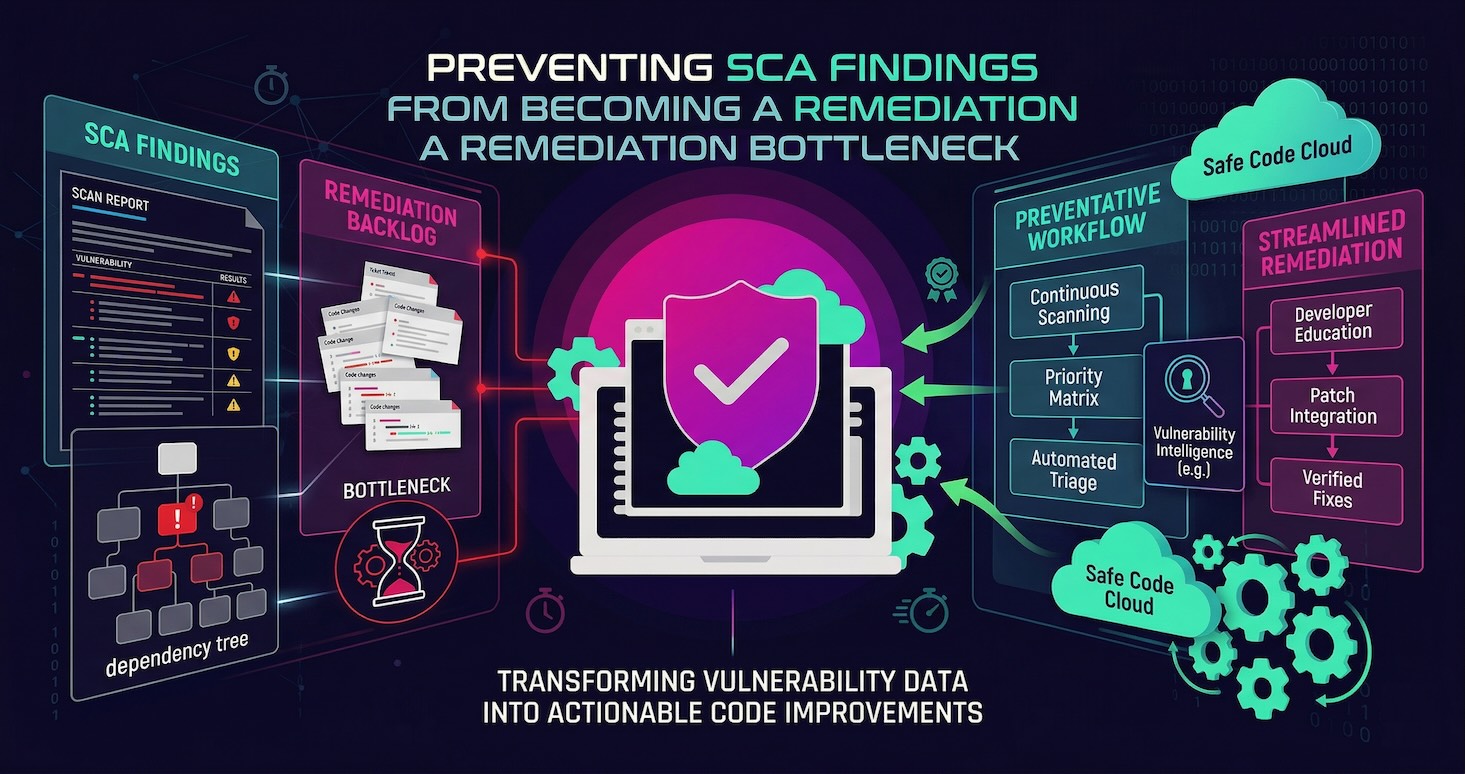
As application security programs mature, finding vulnerabilities is rarely the problem. Modern SCA tools are very effective at identifying CVEs across open-source dependencies. The challenge is turning that volume of findings into efficient remediation.
A common issue appears when multiple CVEs affect the same dependency file. Each CVE is reported independently, even though the remediation action is identical. Over time, this creates unnecessary ticket volume and slows down engineering teams without improving security outcomes.
This use case demonstrates a core principle of effective AppSec remediation: reducing risk means organizing work around fixes, not individual CVEs.
The demo video below shows how multiple SCA findings are aggregated into a single, clear remediation action.
CVE Volume Is an Execution Problem
Static Composition Analysis tools report vulnerabilities at the CVE level by design. When a dependency contains multiple vulnerabilities, each CVE becomes its own finding.
This often means a single dependency file generates multiple alerts, multiple findings, and multiple tickets, even though the fix is simply to update the dependency once. Engineering teams spend time managing tickets instead of shipping fixes.
The issue isn’t lack of visibility. It’s that remediation workflows are misaligned with how developers actually resolve risk.
Aggregation Aligns Remediation with How Work Gets Done
When multiple CVEs affect the same dependency file in a repository, they represent a single remediation outcome.
Seemplicity aggregates those CVEs into one finding, allowing AppSec teams to open a single ticket that addresses all related vulnerabilities at once. Engineers update the dependency one time and resolve every associated CVE in the process.
All underlying CVE data remains available for visibility and reporting, but remediation is organized around execution, not alert volume.
Clear Context with AI-Generated Guidance
Seemplicity uses AI to generate clear descriptions and remediation guidance based on all of the aggregated CVE data. Instead of reviewing multiple findings, teams see a concise explanation of what’s affected, why it matters, and how to fix it.
This helps AppSec teams communicate more effectively with engineering and removes friction from the remediation process.
Why This Matters
At scale, AppSec success isn’t measured by how many CVEs are detected. It’s measured by how quickly risk is removed.
Aggregating SCA findings by dependency allows teams to reduce ticket sprawl, speed up remediation, and align security work with how developers actually fix vulnerabilities — without sacrificing visibility into individual CVEs.
For a closer look at how Seemplicity helps AppSec teams turn findings into action, book a demo to see the platform in action.

Stay updated on Seemplicity blog
Subscribe today to stay informed and get regular updates from Seemplicity.